EU Foreign Policy Chief Urges US to Shift Focus from Iran Tensions to Ukraine
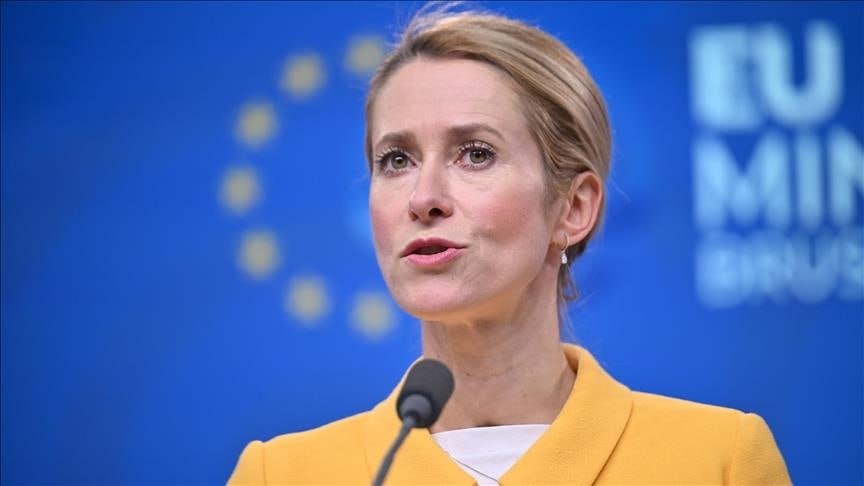
Brussels, Belgium – The European Union’s top diplomat, Kaja Kallas, has issued a forceful call for the United States to disengage from escalating regional tensions involving Iran and instead dedicate its strategic focus and resources to the conflict in Ukraine. Speaking at a meeting of G7 foreign ministers, Kallas underscored the critical need for global de-escalation, warning of severe repercussions if the situation in the Middle East continues to intensify.
De-escalation and Economic Stability
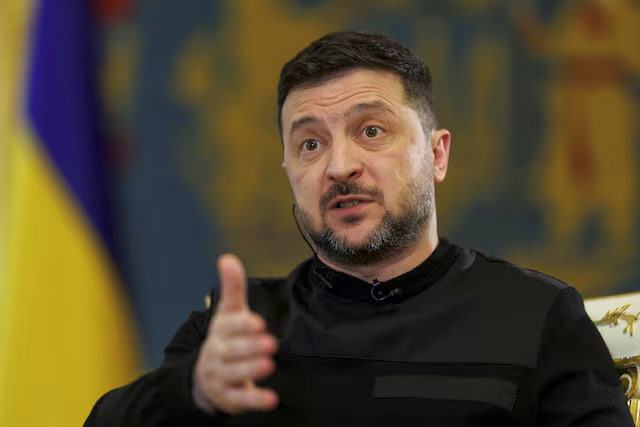
Kallas highlighted the dual challenge of two major global conflicts: the ongoing war in Ukraine and the volatile situation in the Middle East. “We must disengage from the conflict, not escalate it further, as the consequences for the entire world are extremely severe,” she stated. The EU foreign policy chief specifically pointed to the detrimental economic impacts of the heightened tensions, noting that rising oil prices fueled by the regional instability effectively bolster Russia while simultaneously undermining support for Ukraine. She urged the U.S. to double down on its commitment to Ukraine and intensify pressure on Moscow.
Regional Dynamics and Global Economic Ripples
The G7 foreign ministers’ gathering takes place amid reports of escalating regional tensions, including military actions reportedly involving the United States and Israel. This period of heightened activity has reportedly entered its second month.
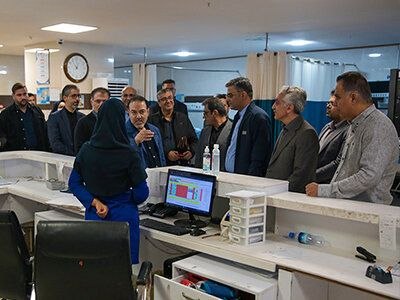
For its part, Iran has reportedly responded with missile and drone operations targeting US bases in the region and military centers in occupied territories. Furthermore, Iran’s implementation of stricter regulations in the strategic Strait of Hormuz has sent significant ripples through the global economy. As a vital artery for oil transit, slowed tanker traffic through the strait has led to a sharp increase in oil and fuel prices worldwide, exacerbating concerns over energy security.
EU’s Stance on Engagement and Negotiation
Against this backdrop, European Commission President Ursula von der Leyen recently addressed the broader European approach to regional crises. While acknowledging a request from US President Donald Trump for European nations to dispatch warships to the Strait of Hormuz, she clarified the EU’s position. “EU leaders have clearly stated that they can only consider operations or missions when the conflicts end,” von der Leyen explained, emphasizing the bloc’s preference for resolution over military intervention.
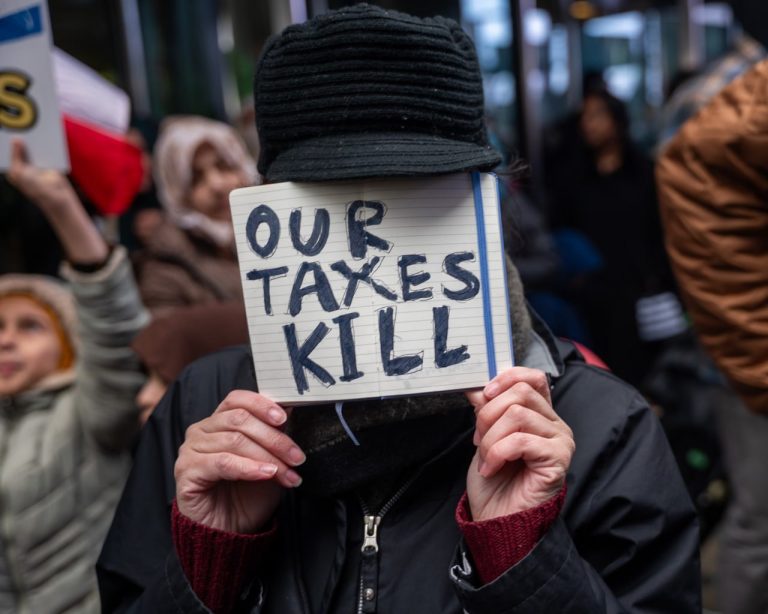
Von der Leyen also conceded that ensuring energy supply for global allies faces a critical situation, echoing the concerns about rising fuel costs. “We all feel the knock-on effects of rising gas and oil prices on our businesses and societies,” she stated, reiterating the paramount importance of achieving solutions through negotiation. The EU’s unified message underscores a strategic preference for diplomatic resolution to diffuse potentially destabilizing global conflicts.