EU Warns Against ‘Strategic Folly’ of Russian Energy Return Amid Mideast Volatility
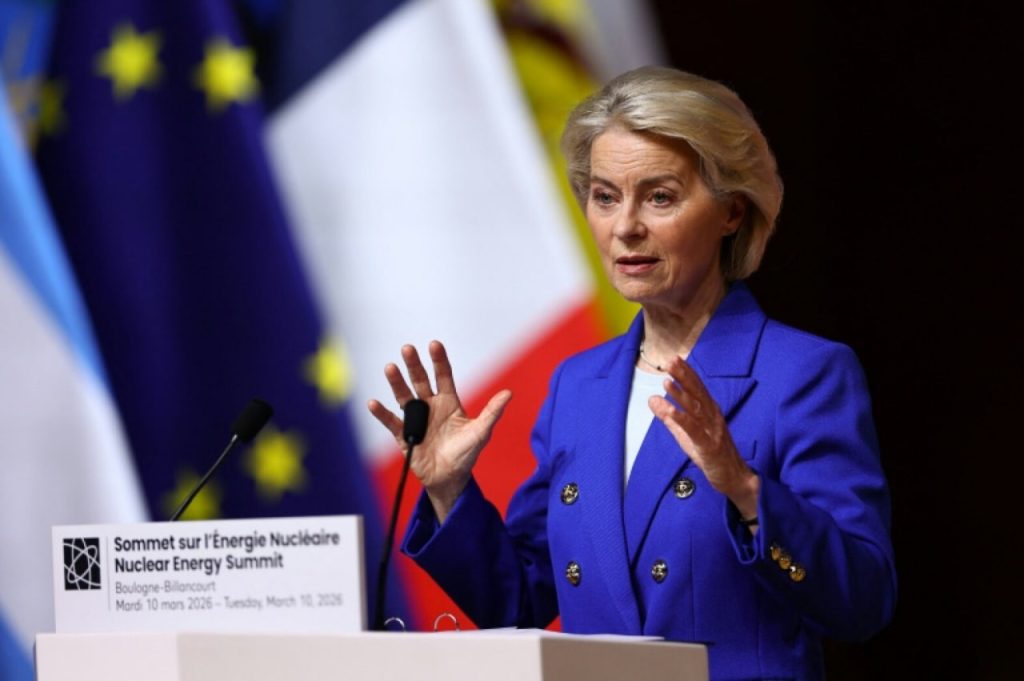
Brussels – The European Union stands firm against any re-engagement with Russian fossil fuels, even as global energy markets grapple with escalating prices and geopolitical instability, particularly in the Middle East. Ursula von der Leyen, President of the European Commission, emphasized this strategic resolve, cautioning against what she termed a “strategic mistake” if the bloc were to reverse its energy policy.
EU’s Unwavering Resolve
Speaking before the European Parliament, President von der Leyen directly addressed calls for a policy shift amid the current energy crisis. “In the current crisis, some argue that we should abandon our long-term strategy and even return to Russian fossil fuels. This would be a strategic mistake,” she stated, reinforcing the EU’s commitment to diversifying its energy sources away from Russia following the 2022 Ukraine conflict. The EU is actively exploring various mechanisms to stabilize energy prices, including enhanced electricity purchase agreements, state aid measures, subsidies, and potential gas price caps.
Russia’s Counter-Narrative and Market Critique
Conversely, Kirill Dmitriev, Russian President Vladimir Putin’s special envoy, has asserted that recent geopolitical developments underscore what he deems the “strategic mistakes” of EU sanctions against Moscow’s energy sector. Dmitriev highlighted that oil prices had surpassed $100 per barrel for the first time since 2022, attributing a significant portion of this surge—approximately 50%—to heightened regional tensions in the Middle East, including actions impacting infrastructure.
In a series of social media posts, Dmitriev critiqued European policymakers for what he called “shortsighted policy” in sanctioning Russia. He noted the resilience of oil prices above $100, predicting that the “vitality of Russian energy for survival” and the “strategic mistakes in limiting it” would become fully apparent. While Brent crude once approached $120 a barrel, with projections for $150 or even $200 if conflicts persist, current prices hover around $90 a barrel. Dmitriev broadened the scope of oil market concerns beyond the Strait of Hormuz, pointing to broader attacks on oil and gas infrastructure across the Middle East.
Geopolitical Impact on Global Energy Routes
The intricate geopolitical landscape of the Middle East, marked by reported actions and responses involving regional actors, has significantly elevated risks for maritime traffic through the Strait of Hormuz. This vital waterway, crucial for approximately 20% of global oil consumption, has seen a reported 80% reduction in shipping traffic, with several tankers in the region reportedly targeted. These developments have contributed to the global energy market’s volatility and supply chain anxieties.
Lessons from 2022 and Future Commitments
The EU faced a similar energy price shock in 2022 when Brent crude averaged $100 per barrel following the imposition of sanctions on Russia. Despite the ensuing energy crisis and considerable pressure on consumers, the bloc remains steadfast in its long-term objective to eliminate reliance on Russian fossil fuels by the end of 2027, affirming its commitment to energy independence and sustainability.
US Perspective on Energy Costs
In a separate development, the U.S. President acknowledged the ongoing price increases, stating that the higher oil costs stemming from escalating geopolitical tensions in the Middle East represented “a very small price for American and global security and peace.” This statement underscores a broader international perspective on the trade-offs between energy costs and strategic geopolitical priorities.
The divergent views from the EU, Russia, and the U.S. highlight the complex interplay of energy security, geopolitical strategy, and economic stability in an increasingly volatile global environment.