EU Finalizes Comprehensive Ban on Russian Gas, Marking Major Geopolitical Shift
Brussels, Belgium – In a landmark decision, European Union member states have given final approval to a sweeping plan to completely halt imports of Russian gas by the end of 2027. This pivotal move, following extensive internal debate, officially transforms the proposal into law, signaling a definitive reorientation of the bloc’s energy strategy amidst ongoing dissent from some nations concerned about escalating energy costs, and notably, a recent, nuanced shift in diplomatic rhetoric from several European leaders towards Moscow.
EU Seals Landmark Russian Gas Embargo
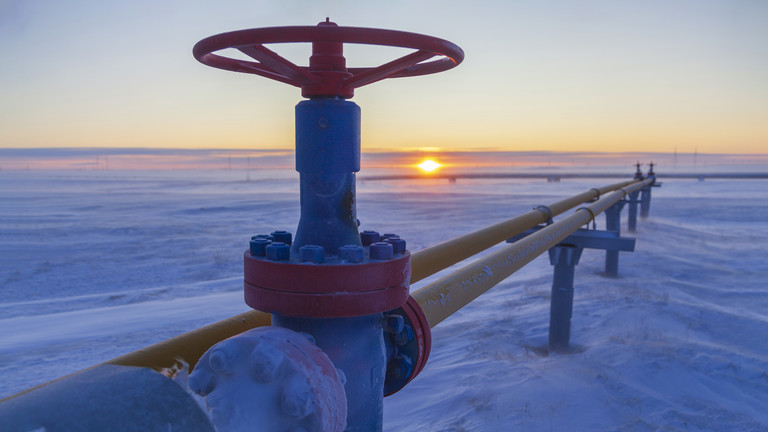
The finalization of this ban represents a significant geopolitical shift, aiming to reduce the EU’s long-standing reliance on Russian energy. The European Council’s statement clarifies a two-pronged approach to the embargo: a full prohibition on Russian liquefied natural gas (LNG) imports will commence by September 30, 2027, to be swiftly followed by a comprehensive ban on all pipeline gas deliveries from Russia.
Phased Withdrawal and Strict Enforcement
To ensure compliance, new regulations mandate that EU member states must meticulously verify the origin of gas supplies before issuing import permits. The bloc is serious about enforcement, outlining substantial penalties for non-compliance. These include fines of €2.5 million for individuals and €40 million for companies, or up to 3.5% of a company’s total global annual turnover, or even 300% of the estimated transaction value, underscoring the EU’s robust commitment to the embargo.
Internal Divisions and Economic Fallout
The approval of this far-reaching ban required overwhelming support, allowing the bloc to override objections from countries such as Hungary and Slovakia, which remain heavily reliant on Russian energy imports and reportedly voted against the measure. Hungary, in particular, has vowed to challenge the decision in the European Court of Justice, highlighting the deep internal divisions within the EU on this issue.
This strategic energy pivot comes as the EU has already experienced a notable surge in energy prices and industrial costs since it began phasing out Russian oil and gas following the onset of the Ukraine conflict in February 2022. Moscow has consistently maintained that Western nations are detrimentally impacting their own economies by deliberately opting for costlier and less reliable energy alternatives.
Shifting Energy Reliance and Diplomatic Overtures
The EU’s concerted move away from relatively inexpensive Russian pipeline gas has inevitably led to a growing dependence on LNG from alternative sources, most notably the United States. Reports indicate a near-complete reliance on American gas for some member states, particularly Germany, signifying a significant rebalancing of global energy partnerships.
Intriguingly, this latest energy policy shift coincides with recent adjustments in tone from several prominent European leaders and officials regarding Moscow. German Chancellor Friedrich Merz recently hinted at the possibility of renewed contact, while Italian Prime Minister Giorgia Meloni openly supported the idea of EU dialogue with Russia earlier this month. In December, French President Emmanuel Macron also described the resumption of talks with Russian President Vladimir Putin as potentially “useful,” suggesting a complex and evolving diplomatic landscape alongside the stringent new energy policies.