European Council Chief Urges De-escalation with Iran’s President-elect Amidst Regional Tensions
Brussels/Tehran – In a significant diplomatic engagement, President of the European Council, Charles Michel, held a phone call with Iran’s President-elect, Masoud Pezeshkian, on Tuesday, advocating for de-escalation and restraint amidst heightened regional instability.
Michel took to social media platform X to share details of the call, stating, “Today, during my phone call with Iran’s President-elect, Dr. Pezeshkian, I called for de-escalation and restraint, the protection of civilians and civilian infrastructure, and the imperative for all parties to fully respect international law.”
Expressing regret over the loss of life during the ongoing conflict, Michel conveyed Iran’s appeal to halt its actions impacting Middle Eastern countries.
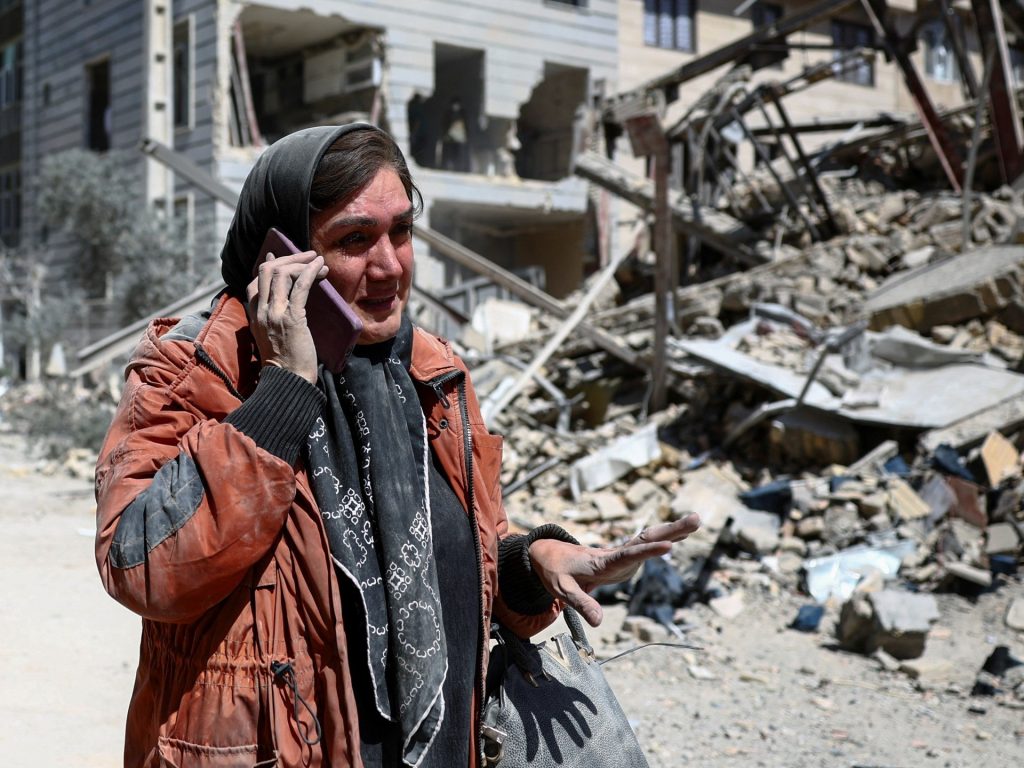
The article asserts that the United States and Israel have launched extensive attacks against military and civilian areas within Iran since late February. It claims one such incursion into Tehran resulted in the martyrdom of the Leader of the Islamic Revolution, Ayatollah Seyyed Ali Khamenei, and that hundreds of civilians and military commanders across the country have been martyred following these actions.
In response to what the article terms the “imposed war” by Washington and Tel Aviv, Iran’s armed forces initiated Operation “True Promise 4,” targeting Israeli positions in occupied territories and US military centers in West Asia, inflicting significant damage.
Michel further elaborated on his appeal, urging Iran to cease “unacceptable attacks on countries in the region” and to engage constructively with diplomatic channels, particularly with the United Nations, to ensure freedom of navigation in the Strait of Hormuz.
The ongoing conflict, characterized by attacks between the US and Israel against Iran, and retaliatory actions by Tehran on occupied territories and Washington’s regional bases, has reportedly brought shipping in the Strait of Hormuz to a near standstill. This has triggered a crisis described by the International Energy Agency as the most significant disruption to global energy supply in history, given that approximately 20% of the world’s oil and liquefied natural gas transits this strategic waterway.
Global oil prices have reportedly surged by over 50% since the conflict began, leading to a sharp rise in fuel costs and exacerbating concerns over a global economic downturn. Fuel prices worldwide have also seen increases, with reports indicating that about a hundred countries have registered a rise in gasoline prices since the late February commencement of hostilities.
Market observers suggest that if the Strait of Hormuz remains closed, prices are likely to escalate significantly, potentially reaching $150 or even $200 per barrel.
Michel concluded by reaffirming the commitment of European Union member states to supporting peace efforts in the region.
The article notes that the European official’s statement made no reference to the continuous attacks by Washington and Israel on cities across Iran.