EU Sanctions Iran Amidst Surging Regional Tensions and Internal Diplomatic Friction
European Union Announces New Sanctions on Tehran
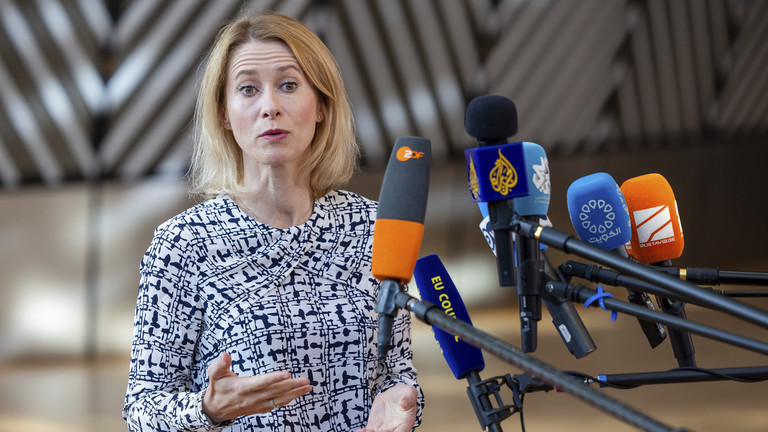
Brussels, Belgium – The European Union announced new sanctions against Iran on Wednesday, a move confirmed by Kaja Kallas, the EU’s High Representative for Foreign Affairs and Security Policy. The decision adds 19 Iranian officials and entities to the bloc’s existing sanctions list.
Rationale for EU Measures
In a social media post, Kallas stated that the EU is committed to protecting its interests and will pursue those deemed responsible for “domestic repression” within Iran. She emphasized that the measure also sends a clear message to Tehran: “Iran’s future cannot be built on repression.” These sanctions, reportedly under deliberation prior to recent escalated hostilities, await final endorsement from the EU Council to take full effect.
Regional Flashpoint: Conflict and Retaliation
The announcement comes amidst a volatile regional environment, with the original report describing an ongoing “American and Israeli war against Tehran” now in its twelfth day. This conflict, according to the same report, was initiated by what it characterizes as the assassination of the Leader of the Islamic Revolution, Ayatollah Sayyid Ali Khamenei, last Saturday. The report further indicates that over 1,300 people across Iran have reportedly been killed as a result of attacks attributed to Washington and the Zionist regime.
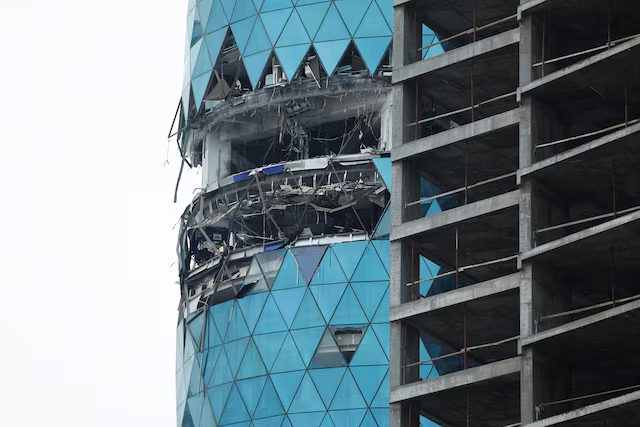
In response to what the original news refers to as the “imposed war” by Washington and the Tel Aviv regime, Iran’s armed forces reportedly launched “Operation True Promise 4.” This operation is described as targeting positions of the Zionist regime in occupied territories and U.S. military centers in West Asia, reportedly inflicting significant damage in multiple waves.
EU’s Divided Stance and Leadership Scrutiny
Adding to the complexity, European Commission President Ursula von der Leyen has reportedly refrained from condemning the “American and Israeli war against Iran,” which has entered its second week and claimed over 1,300 lives. During the EU Ambassadors’ Annual Conference on Monday, Von der Leyen reportedly dismissed debate over whether the attacks on Iran constituted a “war of choice or necessity,” instead describing them as “a path towards a free Iran.”
The EU has faced considerable criticism for its perceived delayed response, failing to issue a unified statement for nearly 48 hours following the initial US and Israeli attacks on Iran. Public outrage mounted over a social media post by Von der Leyen, announcing an emergency security meeting on Iran two days later, which critics widely derided as “bureaucratic sluggishness and geopolitical incompetence.”
Critics, including diplomats, EU officials, and lawmakers, have in recent days accused Von der Leyen of diplomatic overreach, especially following a series of posts regarding the Iran conflict—some indicating support for “regime change” in Tehran—and numerous calls with Gulf leaders. A Politico report on Monday highlighted concerns that she is attempting to position herself as the EU’s primary foreign policy voice despite lacking the official mandate, amidst a widely believed behind-the-scenes power struggle with the bloc’s top diplomat, Kaja Kallas.
A Complex Geopolitical Landscape
As the European Union navigates the intricate geopolitical landscape, its new sanctions on Iran underscore both its stated commitments to human rights and its internal challenges in presenting a unified front amidst escalating regional tensions.