Financial Times Issues Dire Warning: Potential Iran Conflict Threatens Enduring Global Economic Disruption
London, UK – The Financial Times has issued a stark warning regarding the profound and potentially permanent consequences a prolonged conflict involving Iran could inflict upon the global economy. As reported by Shafaqna and further detailed by the Al-Ahed news website, the esteemed financial publication underscores that such a scenario would cast long shadows over international markets for years to come.
Escalating Geopolitical Risks and Economic Fallout
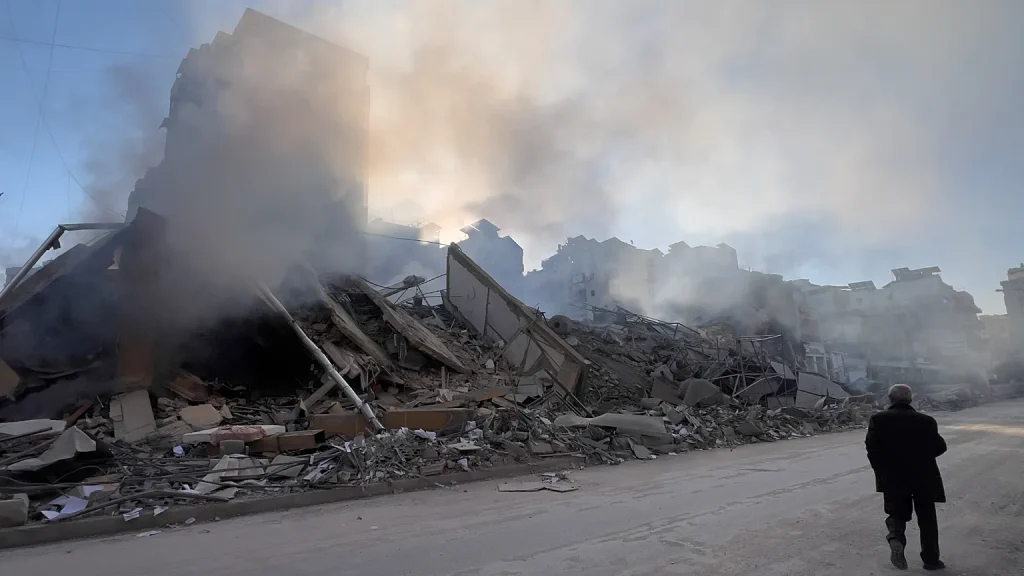
The report highlights that intensified geopolitical risks in the Middle East, a region pivotal for global energy production and transmission, have already contributed to significant energy price volatility and instability across financial markets. A sustained conflict, the Financial Times emphasizes, risks severely disrupting global supply chains, driving up transportation costs, and exacerbating inflationary pressures across major economies worldwide. This instability would inevitably weaken economic growth forecasts for numerous nations and introduce considerable uncertainty for international investments.
A Permanent Scar on Global Commerce
Even in the event of a cessation of hostilities, the analysis suggests that the repercussions would persist. Reduced market confidence, elevated energy costs, and altered trade routes would likely leave what the Financial Times describes as a “permanent scar” on the fabric of the global economy. Economic experts echoed this sentiment, cautioning that the scope and intensity of such a crisis could usher in a new era of instability and potential recession. This risk is particularly acute should vital energy arteries, such as the Strait of Hormuz, face any disruption.
The Financial Times’s comprehensive assessment serves as a critical reminder to policymakers and global stakeholders about the far-reaching economic implications of ongoing and potential geopolitical tensions in the region.