Food Futures on Edge: Global Commodity Markets React to Persian Gulf Tensions
Global agricultural markets are witnessing a dramatic surge in commodity prices, with grain futures reaching multi-year highs. This sudden uptick, particularly affecting corn, soybeans, and wheat, is largely attributed to heightened geopolitical tensions and increased uncertainty surrounding stability in the strategically vital Persian Gulf region. The development has prompted a swift reaction from U.S. farmers, eager to capitalize on the improved market conditions.
Market Volatility Amidst Regional Concerns
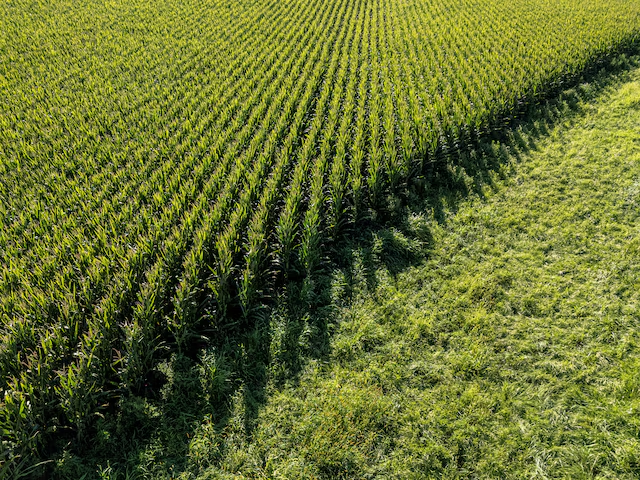
In a significant shift from previous periods of low prices—which had led many farmers to discard last year’s produce—farmers across the Midwest are now actively selling their stored corn, soybeans, and wheat. This move aims to leverage the escalating prices, with significant volumes directed towards ethanol producers and wholesale traders. The urgency to secure profits is also reflected in farmers’ rapid engagement in pre-selling future crops, signing contracts for harvests yet to be planted this year.
The upward trend is clearly visible in the futures markets. Soybean futures on the Chicago Mercantile Exchange recently soared past $12 per bushel, marking their highest point since May 2024. Corn futures have similarly climbed to their highest levels since May 2025, while wheat prices have seen their strongest performance since June 2024. These forward-looking contracts underscore market participants’ anticipation of continued volatility and elevated prices.
The Geopolitical Catalyst
Market analysts indicate that the dramatic rally in commodity prices is directly linked to an increased perception of risk emanating from the Persian Gulf. Concerns over potential disruptions to global trade routes and supply chains, intensified by regional geopolitical dynamics, are driving investor apprehension and speculation. This heightened sensitivity to events in the Persian Gulf, a critical chokepoint for global energy and trade, has ripple effects that extend to key agricultural commodities, underscoring the interconnectedness of global markets with political stability.
The rapid response from the agricultural sector highlights how geopolitical shifts, even those far removed from farming communities, can instantaneously alter market dynamics, presenting both challenges and opportunities for global food producers and consumers alike.