Title: From Dull to Dazzling: A Diplomatic Guide to Restoring Your Sofa’s Dignity
Sofas serve as a cornerstone of interior decor, providing comfort and enhancing the aesthetic harmony of a home. However, regular use inevitably leads to a buildup of grime and a loss of its original luster—a condition often referred to as ingrained dirt. This comprehensive guide outlines effective, careful methods to restore your sofa, ensuring it remains a point of pride in your household.
Understanding the Accumulation of Grime
The gradual dulling of a sofa’s fabric is a result of accumulated oils, dust, and environmental moisture. Key contributing factors include:
- Frequency of Use: Increased use directly correlates with a higher accumulation of dirt and debris.
- Body Oils and Perspiration: Natural body oils, especially during warmer periods, can be absorbed into the fabric.
- Ambient Humidity: Damp conditions can cause fabrics to attract and hold onto dust particles.
- Irregular Maintenance: Without consistent vacuuming, pollutants settle deep within the fibers.
A Methodical Approach to Renewal
Restoring a sofa requires a precise and careful strategy to avoid damaging the fabric. The process varies depending on the material.
For Velvet or Mazarati Fabric Upholstery
These delicate fabrics require a gentle touch to preserve their unique texture and softness.
- Cleaning Solution: Prepare a mild solution of lukewarm water and baby shampoo.
- Initial Dusting: Use a soft-bristled brush to remove surface dust.
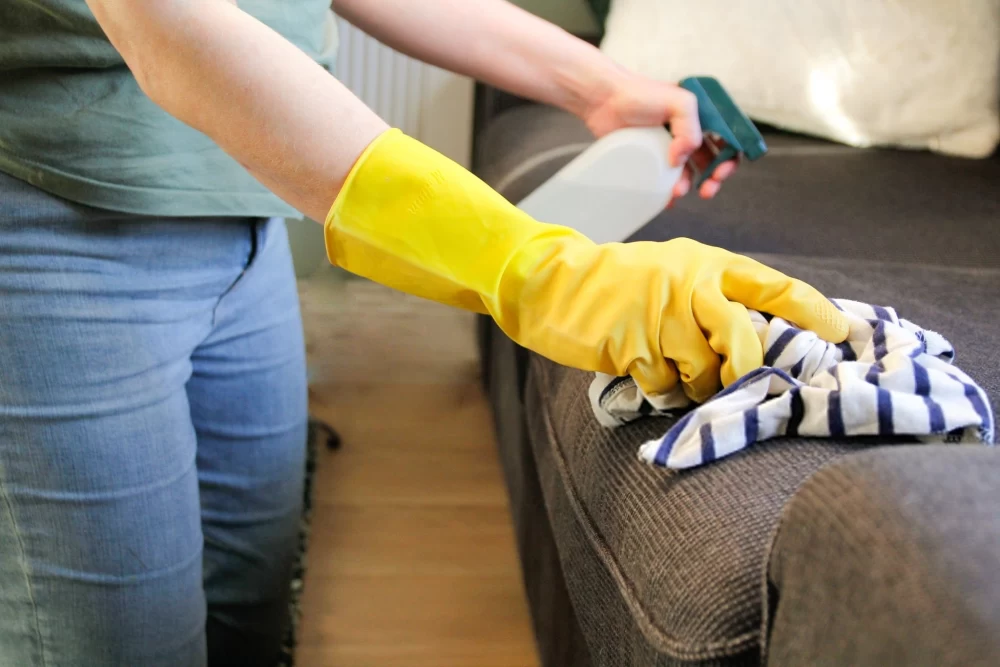
- Application: Gently wipe the surface with a slightly damp microfiber cloth.
- Drying: Use a hairdryer on a cool setting to dry the area, preventing watermarks.
For Linen or Polyester Fabric Upholstery
These more resilient materials can tolerate natural cleaning agents.
- Initial Vacuuming: Begin by thoroughly vacuuming the sofa to remove all loose dust.
- Cleaning Solution: Apply a mixture of white vinegar and warm water using a soft cloth.
- Drying: Wipe the area dry with a separate, soft, and absorbent cloth.
For Leather Upholstery
Even durable leather can fall victim to ingrained dirt and requires specific care.
- Avoid Harsh Chemicals: Do not use hot water or acidic cleaners.
- Gentle Solution: Clean with a mixture of a few drops of glycerin and water.
- Conditioning: After cleaning and drying with a soft towel, apply a dedicated leather conditioner to maintain suppleness.
Key Principles for an Effective Restoration
To achieve the best results while safeguarding your furniture, adhere to these principles:
- Conduct a Spot Test: Always test any cleaning solution on an inconspicuous area first.
- Avoid Abrasive Tools: Stiff brushes can damage fabric; opt for soft cloths and brushes.
- Work from Clean to Dirty: Move from cleaner areas towards more soiled sections to prevent re-depositing dirt.
- Ensure Rapid Drying: Use a fan or cool air from a hairdryer to dry the sofa quickly after cleaning, which prevents musty odors.
Maintaining Pristine Conditions
Prevention is the most effective strategy for preserving your sofa’s appearance and longevity.
- Strategic Placement: Position sofas away from high-dust areas if possible.
- Consistent Upkeep: Vacuum with a soft brush attachment weekly.
- Protective Sprays: Use specially formulated fabric protector sprays.
- Washable Covers: In homes with pets, consider using removable, washable covers.
- Rotate Cushions: Regularly rotate and flip cushions to ensure even wear and tear.
By following this structured guide, you can ensure your sofa remains a clean, comfortable, and elegant centerpiece in your home for years to come.