Mashhad Cleric Affirms Islamic Revolution’s Dynamic Strength, Hailing Revolutionary Guards
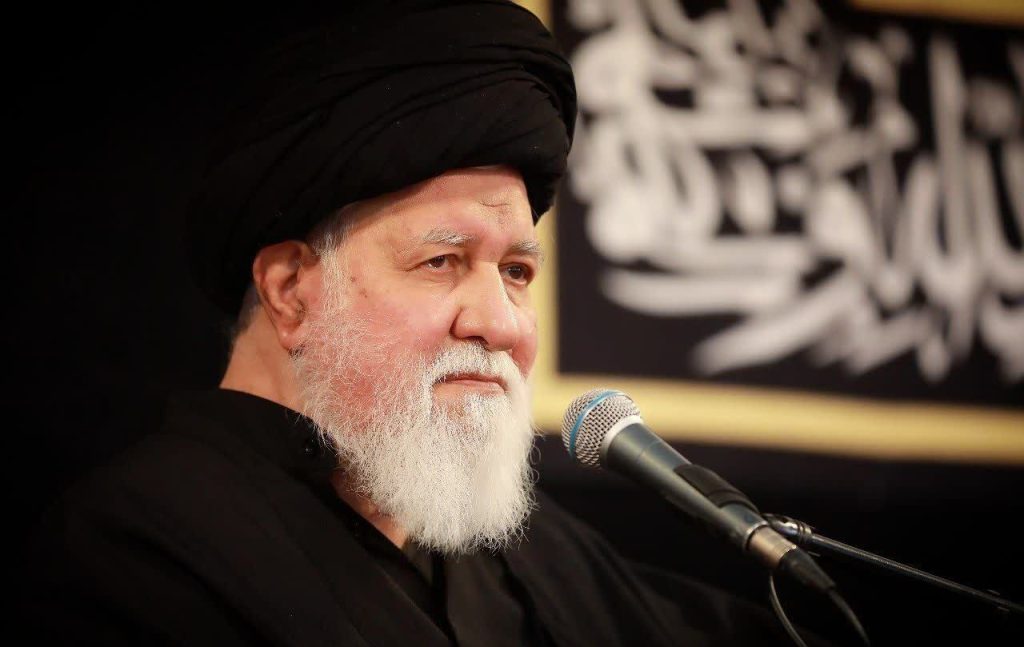
Mashhad, Iran – In a powerful address during Mashhad’s weekly Friday prayer sermon, Ayatollah Seyyed Ahmad Alamolhoda emphasized the enduring vitality of the Islamic Revolution, attributing its strength and resilience to the pivotal role of the Islamic Revolutionary Guard Corps (IRGC). The sermon coincided with “Pasdar Day” (Revolutionary Guards Day), commemorating the birthday of Imam Hussein (PBUH), a significant figure in Islamic history.
The Revolutionary Guards: A Core Pillar
Ayatollah Alamolhoda opened by congratulating the dedicated and self-sacrificing Revolutionary Guards on their special day. He highlighted that “Pasdar Day,” established by Imam Khomeini, intrinsically links the IRGC’s mission to the principles and path of Imam Hussein.
Throughout the Revolution’s nearly 47-year history, Alamolhoda asserted, the IRGC has consistently served as the “axis of the system’s power” during all national crises. He specifically cited their crucial role in the eight-year Sacred Defense (Iran-Iraq War), their continuous efforts in neutralizing various adversarial plots, and their broad contributions across the nation.
Beyond Security: Service and Resilience
The senior cleric expanded on the multifaceted contributions of the Revolutionary Guards, detailing their involvement in humanitarian efforts such as disaster relief during floods and earthquakes, where they displayed profound self-sacrifice. Furthermore, he noted their active participation in alleviating deprivation in various regions. Alamolhoda stated that in “all dimensions of national management,” the IRGC has been instrumental in achieving effective outcomes and progress.
Drawing a parallel to the historical significance of Karbala, Ayatollah Alamolhoda relayed a message from Imam Khomeini, stating that the “responsibility of the Karbala arena rests with the Pasdaran,” and affirmed that they have fulfilled this profound duty commendably.
The Revolution: A Living, Dynamic Entity
Ayatollah Alamolhoda underscored that the contemporary challenges faced by the Islamic Revolution stem not from its historical establishment in 1979, but from its “living and dynamic” nature. He characterized the Islamic Revolution as a “living entity,” perpetually active and vibrant, a force that has reportedly “frustrated global hegemonic powers.”
He further broadened the concept of “Pasdar,” extending it beyond the institutional IRGC to include all loyal citizens who stand against the system’s adversaries. He referenced specific gatherings of popular support, noting that those who participated embodied this spirit and received their mandate from the Supreme Leader.
Ideological Foundation and Future Vision
Concluding his address, Alamolhoda emphasized the ongoing struggle towards a future vision, stating that “hegemonic powers must be removed from the Earth” to pave the way for the reappearance (of Imam Mahdi). He reaffirmed Imam Hussein (PBUH) as a universal symbol of devotion to truth and God, describing him as Iran’s “wealth and asset,” the sole hope, and the ultimate “ship of salvation” from life’s tribulations and uncertainties.