Iran’s Digital Diplomacy: Officials Navigate Global Tensions and Domestic Agendas via Social Media
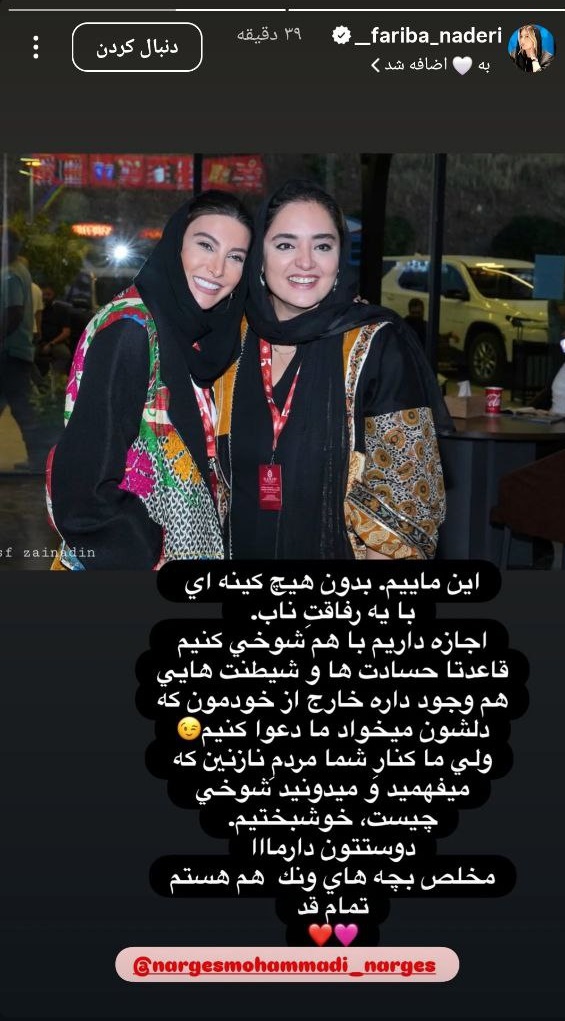
In today’s interconnected world, social media has emerged as an indispensable tool for political and social communication, with many Iranian officials and thinkers actively using platforms like X (formerly Twitter) to articulate their views, stances, and decisions. This article compiles a series of recent statements from these figures, offering a window into current political trends and priorities within Iran.
Asserting Sovereignty and Challenging Foreign Influence
Several prominent voices have leveraged digital platforms to vehemently defend Iran’s sovereignty and push back against perceived foreign interference.
Abdullah Ganji, a political commentator, sharply criticized former U.S. President Trump’s alleged statement, “We are looking for a prime minister for Iraq!” Ganji interpreted this as an arrogant attempt to dictate Iraqi domestic politics, stating, “This translates to: the Iraqi people are wrong to cast votes that result in Nouri al-Maliki. We will punish them so they don’t make such mistakes again.”
Ganji further responded to recent remarks attributed to former U.S. House Speaker Nancy Pelosi, who allegedly stated, “We must ensure that even the rural people of Iran feel the pressure and hardship completely… there is the idea of ‘paralyzing the economy’ instead of war, to destroy Iran without using U.S. military force.” Ganji condemned this as a candid admission of ongoing economic warfare, asserting that “they are officially saying we must impose economic pressure on the people.” He also criticized internal elements who might align with such foreign pressure or attribute all economic challenges solely to domestic governmental inefficiencies.
Echoing this sentiment of national integrity, Mohsen Borhani, another commentator, unequivocally declared on X: “Demanding foreigners to invade the homeland is called ‘demanding humanitarian intervention’ to sanitize the shame of treason! Foreign aggression against the homeland is an unnegotiable red line.”
Strategic Perspectives on Regional Tensions
Iranian officials also use social media to offer strategic perspectives on complex regional dynamics and international relations.
Mehdi Mohammadi, for instance, suggested a straightforward approach to defuse regional tensions: “There is a simple way to untangle the knots: ‘Trump must realize that the assessments and intelligence Netanyahu provided him about Iran were utterly false.'” He characterized the prevailing “war posture in the region” as primarily a “war in the enemy’s mind.”
Boosting the Digital Economy: A Presidential Priority
Beyond geopolitical commentary, officials also address crucial domestic policy matters, highlighting government initiatives and priorities.
Ali Asghar Shafieian pointed out the President’s commitment to fostering the digital sector, tweeting, “The President is seriously pursuing the removal of obstacles for digital businesses. The secretariats of SHUAM and cyberspace must be accountable. Uncertainty is the worst situation. If they have a plan, they should state it clearly.” This underscores the government’s focus on digital economic development and the need for transparent policy implementation.
Commemorating National Sacrifices and Upholding Security
The digital sphere also serves as a platform for national commemoration and reinforcing narratives around internal stability.
Abbas Pazouki, Deputy for Communications and Information at Dr. Aref’s office, announced an upcoming memorial: “The government of the Islamic Republic of Iran mourns the lives lost in the January events and considers itself a partner in their 40th-day commemoration.” He added that a nationwide memorial ceremony for “the children of Iran” would be held, with details to follow, concluding with a poetic line: “From the blood of the youth of the homeland, tulips have bloomed.”
Similarly, Ali Bahadori Jahromi, the government spokesman, highlighted the significance of these commemorations. Referencing the upcoming 40th day for “martyrs of the failed Dey coup,” he stated, “The glorious holding of the #40th_day_of_security_martyrs across the country completes the path the martyrs took. Keeping the memory of these martyrs alive and honoring their esteemed families is the minimum necessity for all of us and responsible agencies to ensure that the lesson-learning truths endure.”
These various posts demonstrate how Iranian officials and thinkers are actively utilizing social media to articulate core national interests, respond to foreign policy challenges, address domestic concerns, and shape public discourse both internally and internationally.