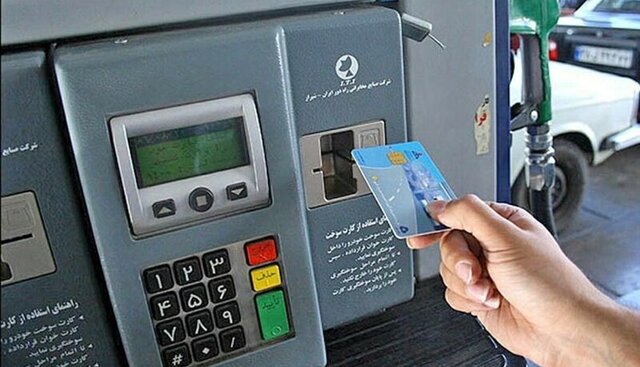
Title: Fuel Card Management: A Guide to Regulations and Reactivation
In a move to ensure the efficient management of national resources, Iran’s fuel card system operates under a clear and specific legal framework. The system, a cornerstone for managing consumption and controlling the distribution of gasoline, is subject to regulations that can lead to a card being blocked or canceled by the National Iranian Oil Products Distribution Company (NIOPDC).
Understanding the Distinction: Blocked vs. Canceled
A crucial aspect for vehicle owners to understand is the fundamental difference between a card being “blocked” and one being “canceled.”
Blocked Cards: This action is typically the result of two primary scenarios: a judicial order or the scrapping of a vehicle. When a judicial authority issues a directive, the NIOPDC is legally obligated to block the card. Similarly, when a vehicle is officially taken out of the transportation cycle, its associated fuel card is permanently deactivated.
Canceled Cards: Cancellation is often initiated by the vehicle owner or due to administrative reasons. Common grounds for cancellation include:
- Requesting a replacement card, which automatically voids the previous one to prevent misuse.
- The traffic police declaring the vehicle’s information as invalid.
- A malfunctioning card chip.
- The absence of valid third-party insurance for the vehicle.
- A voluntary request by the owner to deactivate the card.
Pathways to Resolution
The distinction is critical because the path to resolution differs. While a blocked card prevents the issuance of a new one until the underlying issue is resolved, a canceled card allows the owner to apply for a new one through the official online portal at fcs.niopdc.ir.
Authorities advise vehicle owners to use only official channels for replacement requests and to avoid submitting unnecessary applications for duplicate cards to prevent inadvertent cancellations.
Expert Assistance Available
For citizens facing issues with a blocked fuel card, dedicated support is available. By identifying the specific reason for the blockage and following up with the relevant authority, the card can often be reinstated. For specialized guidance, individuals can contact the consultation system at 09627, available 24/7 from any landline without an area code.
In summary, the blocking or cancellation of fuel cards is governed by transparent regulations, serving as a mechanism for legal and administrative oversight. Public awareness of these procedures helps ensure uninterrupted access to fuel quotas and streamlines the user experience.