Global Economic Tensions Spill Onto European Streets: Fuel Price Protests Grip Ireland and Norway
Dublin and Oslo Face Unrest as Supply Chains Strain Amidst International Maritime Regulations
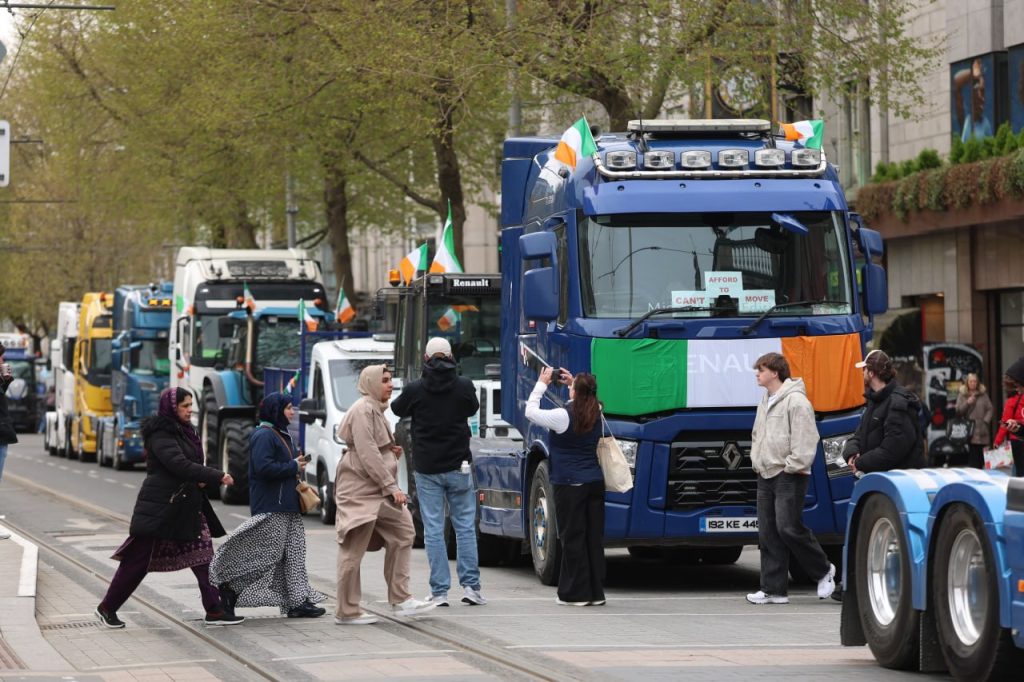
Across Europe, simmering discontent over rising fuel prices has erupted into significant public protests, mirroring a global economic fallout. In Ireland, the fourth consecutive day of demonstrations has paralyzed key infrastructure, leading to widespread concerns over the supply of essential goods, including fuel, food, and clean water. Truck drivers, farmers, and various other groups have blockaded major roadways, disrupting daily life in Dublin and prompting a high-level government response.
Ireland’s Capital Under Strain
The Irish government has placed the army on standby and warned protestors that they face arrest if they do not disperse. The protests, characterized by the closure of port and refinery access points, have jeopardized vital supply chains. The National Emergency Coordination Group has issued stark warnings, noting that 100 fuel stations have already run dry, with projections suggesting this number could escalate to 500 by Friday. Prime Minister Micheál Martin described the blockades as “unacceptable and irrational,” highlighting the nation’s imminent risk of rejecting oil shipments and facing fuel shortages. Government leaders have accused the protestors of holding the country hostage.
Norway Joins the Movement
Meanwhile, Norway has also seen a surge in fuel price-related demonstrations. On Friday, a convoy of approximately 70-80 trucks, many bearing signs reading “Enough is Enough!”, made its way to the Parliament in Oslo. While Norway did implement a fuel tax reduction on April 1st, truck drivers argue for more predictable and lower prices. Official statistics from Norway’s Statistics Institute reveal a sharp increase in fuel costs, with a 17.9% rise from February to March and a staggering 23.6% jump in diesel prices during the same period. This marks the most significant monthly increase in fuel prices recorded by the CPI index.
A Global Context of Maritime Regulations
The unrest in Ireland and Norway unfolds against a backdrop of broader international economic challenges. Similar situations have emerged in France, where fuel tanker movements have been restricted on weekends and public holidays until May 11th, and in the Philippines, which has declared a “national energy emergency.”
These widespread fuel price concerns have arisen in the context of increased international maritime regulations affecting key global transit points. The Strait of Hormuz, a critical waterway through which approximately one-fifth of the world’s crude oil and LNG flows, has seen tightened transit regulations. These measures, impacting global trade and fuel prices, underscore the intricate connection between geopolitical events and the everyday cost of essential resources.
Protest organizers in Ireland have indicated a willingness to sustain their demonstrations for weeks if necessary, asserting that the government is disregarding the public’s concerns. The ongoing situation in both nations highlights the fragility of global supply chains and the potent impact of economic pressures on public sentiment.