Germany Advocates Diplomatic Path, Dismisses Military Solutions for Iran
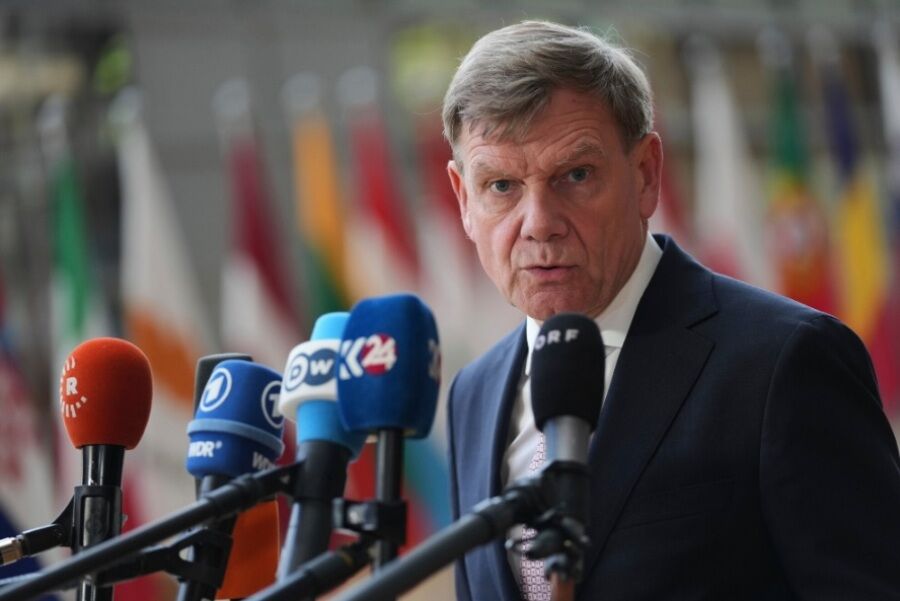
Berlin, Germany – Germany is actively pursuing negotiations and a diplomatic agreement with Iran, as underscored by Johann Wadephul, a prominent German politician. His statements highlight Berlin’s commitment to dialogue and a peaceful resolution to regional tensions, while firmly rejecting military interventions or attempts at external influence on Iran’s internal affairs.
Prioritizing Dialogue and Agreement
According to reports, Wadephul conveyed that the German capital remains steadfast in its efforts to engage Tehran through talks aimed at reaching a comprehensive agreement. This stance reaffirms Germany’s long-held position that diplomatic channels are the most effective means of addressing complex international issues.
Realistic Stance on Military Intervention
Addressing a US request for European cooperation in potentially reopening the Strait of Hormuz, Wadephul offered a pragmatic assessment. He stated that if the United States military finds itself unable to secure the strait, it is highly improbable that European forces would be able to accomplish such a task. This indicates a cautious approach and a clear preference for non-military solutions to maritime security concerns in the region.
Rejecting Force and Fostering Stability
Wadephul also explicitly dismissed the viability of military options in dealing with regional disputes involving Iran. He emphasized that there is “no military solution” to current challenges. Furthermore, he characterized the notion of pursuing a “controlled change of the system” within Iran as purely hypothetical and impractical.
He underscored that any form of internal instability or unrest within Iran would not serve the interests of Germany, nor would it benefit the broader region or, crucially, the welfare of the Iranian people themselves. This highlights Germany’s consistent view that stability and internal order in Iran are paramount for regional peace and for the prosperity of its citizens. Berlin’s position thus reinforces a strategy focused on engagement and de-escalation rather than confrontation.