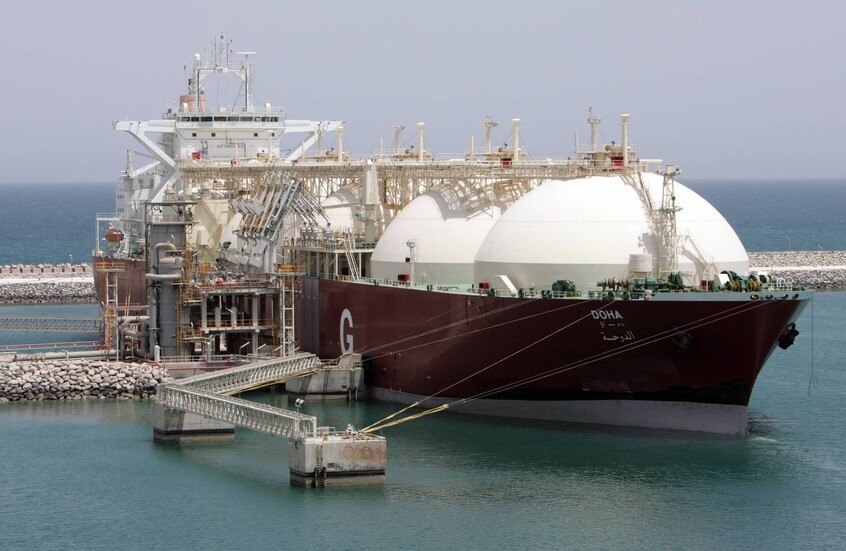
Qatar’s LNG Export Halt: A Geopolitical Tremor Shaking Global Energy Markets
Doha, Qatar – Qatar, a titan in global liquefied natural gas (LNG) exports, has sent ripples through international energy markets with an unprecedented halt in shipments from its primary export terminal. For five consecutive days, no loaded tankers have departed from the vital Ras Laffan facility, marking the longest such hiatus since 2008 and fueling concerns over escalating global fuel prices amidst heightened regional sensitivities.
Unprecedented Pause at Ras Laffan
According to Bloomberg analyses of Kepler vessel tracking data, the Ras Laffan liquefaction plant, responsible for approximately 20% of the world’s LNG supply, has ceased dispatching loaded cargoes since late last week. This extended pause comes after reports of the plant sustaining damage “earlier last week during an ongoing war,” which significantly contributed to a sharp increase in gas prices across both European and Asian markets. While Ras Laffan has managed to load some shipments from its stored reserves since the main production halt, the lack of new departures underscores a significant disruption to its export operations.
Geopolitical Undercurrents and the Strait of Hormuz
The prolonged pause coincides with a period of intensified geopolitical tensions in the region, particularly impacting critical maritime routes. Since February 28, there have been no reported movements of LNG carriers through the strategic Strait of Hormuz, a vital chokepoint for a significant portion of the world’s energy trade. The confluence of alleged plant damage and restricted movement through this crucial waterway highlights the vulnerability of global energy supplies to regional stability and geopolitical shifts.
Global Market Reverberations
The impact of Qatar’s export freeze is immediately felt across the globe. A majority of Qatari LNG is destined for Asian importers, who are now compelled to scramble for alternative supplies. This sudden disruption forces them to scale back deliveries to key industrial end-users, including fertilizer manufacturers and other energy-intensive sectors.
Analysts warn that a continued shutdown could exert immense pressure on the already volatile global LNG market. Such a scenario risks creating critical supply shortages, particularly in cash-strapped developing nations heavily reliant on imported LNG, exacerbating economic vulnerabilities and potentially sparking broader geopolitical instability.
A Watchful Eye on Energy Security
As global energy demand remains high, any disruption from a major producer like Qatar carries significant geopolitical weight. The current situation underscores the intricate link between regional events and global energy security, prompting importers and international bodies to closely monitor developments and consider potential long-term strategies to diversify supply chains and mitigate risks associated with reliance on concentrated energy sources and sensitive transit routes.