Global Oil’s Retreat: Strategic Implications of a Volatile Energy Market
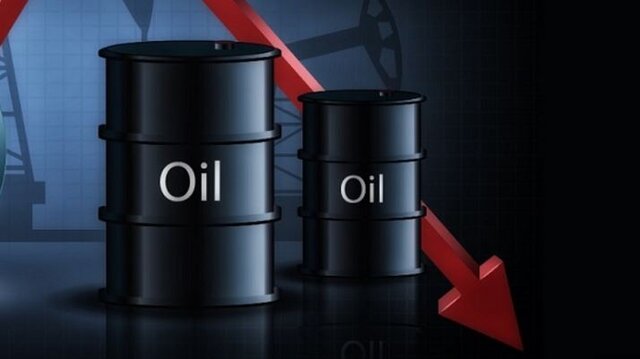
Global crude oil prices retreated significantly on Wednesday, reversing earlier gains and underscoring the profound volatility in international energy markets. This dynamic price environment carries substantial strategic implications for nations globally, particularly those with economies deeply tied to oil revenues or reliant on stable energy supplies.
Market Reversal After Brief Surge
Brent crude futures experienced a 1.2% decline, settling at $64.16 per barrel, while U.S. West Texas Intermediate (WTI) crude fell 1% to $59.76 per barrel. These declines followed a temporary surge on Tuesday, when both benchmarks had climbed by approximately 1.5%. That brief rally was primarily driven by an unexpected production halt at Kazakhstan’s Tengiz and Korolev oil fields, attributed to power distribution issues, alongside robust economic data from China, which had signaled a potential uptick in demand.
Strategic Challenges for Oil-Exporting Economies
The rapid shift in oil prices presents a critical challenge for states heavily dependent on oil exports. Such market fluctuations can significantly impact national budgets, influence public spending on development projects, and affect overall economic stability. Governments in oil-rich regions frequently base their fiscal planning and social programs on projected oil revenues. Consequently, sustained market volatility emerges as a complex geopolitical and economic hurdle, requiring agile strategies to manage potential revenue shortfalls or surpluses.
Global Energy Security and Policy Imperatives
Beyond the immediate concerns of producer nations, the instability in global oil prices has broader repercussions for energy security and international relations. Major consuming nations closely monitor these trends, as they directly influence import costs, inflation rates, and industrial output. The unpredictable nature of the market compels nations to continuously reassess their energy policies, explore investments in alternative sources, and maintain strategic reserves. This ongoing assessment aims to buffer against economic shocks and ensure long-term stability, highlighting the constant vigilance and adaptability required from policymakers navigating the intricate landscape of global energy politics.