Global Diplomacy Gears Up as Peace Talks Loom Amidst Shifting Geopolitical Tides
Islamabad Gears Up to Host Crucial Truce Negotiations
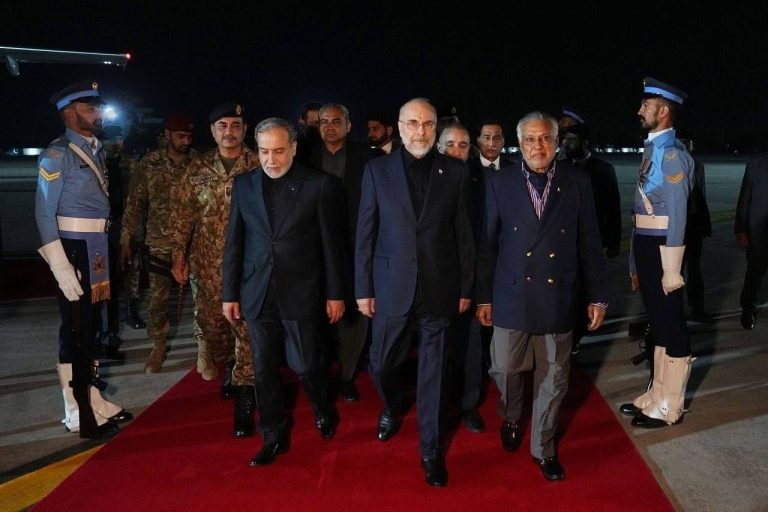
Pakistan is actively preparing to host high-stakes negotiations aimed at de-escalating regional tensions, with its Ministry of Foreign Affairs announcing that visas will be readily available for all delegates, including journalists, arriving for the Iran-US truce talks this weekend. This move signals Pakistan’s commitment to facilitating a diplomatic breakthrough amidst a complex and rapidly evolving international landscape.
Tehran Highlights Concerns Over Adherence to Truce Terms
Reports indicate that the third day of the current truce between Iran and the United States has passed without a confirmed start date for the Islamabad negotiations. Iran has voiced concerns that opposing parties have not fully committed to key proposed conditions, particularly the cessation of attacks on Lebanon. This assertion stands in contrast to claims from the American side suggesting that Lebanon was not included in the initial agreement.
US President’s Messaging on Regional Stability
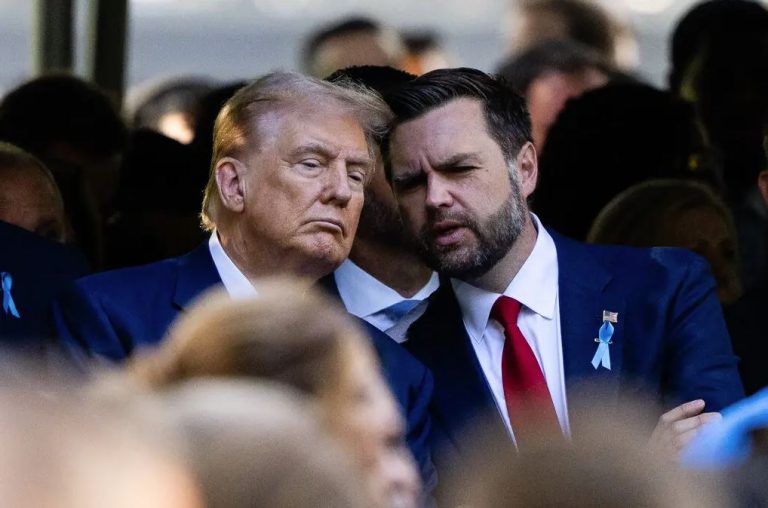
US President Donald Trump has reportedly conveyed a firm message to Israeli Prime Minister Benjamin Netanyahu regarding the situation in Lebanon. While expressing optimism for a swift peace agreement with Iran, Trump also emphasized the potential negative ramifications if an accord isn’t reached. Reports suggest that a recent, unusually brief phone call between the two leaders focused on preventing the escalation of conflict in Lebanon, which could potentially undermine the existing truce. Initial understandings of the truce, shared by mediators, the Pakistani Prime Minister, and Iran’s Foreign Minister, indicated it would encompass the entire Middle East, including Lebanon. However, a shift in the US stance appears to have occurred following the conversation between Netanyahu and Trump.
International Engagement and Diplomatic Missions
In parallel, a US Air Force aircraft has been observed at a Pakistani airbase, sparking speculation about potential high-profile attendees. South Korea has also announced its intention to dispatch a special envoy to Iran to discuss matters related to the Middle East conflict, following the US-Iran truce agreement. This underscores a broader international effort to engage with the unfolding diplomatic initiatives.
Iran’s Stance on Negotiation Conditions
Iranian sources have refuted reports of the arrival of the Iranian negotiation delegation in Islamabad, asserting that Iran will not participate in negotiations as long as Israeli attacks on Lebanon continue. This firm position highlights Iran’s strategic considerations and its commitment to regional solidarity.
Strategic Importance of Maritime Routes
The strategic importance of maritime routes, specifically the Strait of Hormuz, has been a recurring theme in regional discourse. Experts have pointed out Iran’s capacity to influence passage through the Strait, while the US has acknowledged limitations in a purely military solution for reopening it. The UAE has reiterated that freedom of navigation is an international right, not subject to unilateral control. Separately, a report by The Wall Street Journal shed light on Iran’s proposal to collect transit fees for oil tankers in digital currency, a move aimed at circumventing sanctions and utilizing the burgeoning digital economy.
Regional Developments and Military Postures
Amidst the diplomatic efforts, reports from Lebanon indicate Hezbollah’s engagement in targeting Israeli military positions. Simultaneously, the Israeli Home Front announced the activation of air raid sirens in Western Galilee following the detection of a drone.
Official Statements on Military Actions
The Islamic Revolutionary Guard Corps (IRGC) has officially stated that Iranian armed forces have not launched any projectiles towards any country during the truce period. The IRGC has asserted that any military actions undertaken by Iran would be formally announced, and actions not declared are not attributable to them.
Broader Geopolitical Context
The Economist has suggested that if the current truce ultimately signals an end to hostilities directed at Iran, President Trump could be considered the primary beneficiary. In a separate development, President Trump has reportedly called for NATO to take concrete steps to ensure the security of the Strait of Hormuz.
Addressing Humanitarian Concerns and Infrastructure Restoration
In a related development, the Ministry of Health has released figures detailing casualties and injuries resulting from recent conflict, with specific numbers provided for women and children affected. The report also notes the destruction of emergency response bases. On a positive note, the reconstruction of a railway line has been completed, restoring service on the Tehran-Mashhad route.
Preservation of Historical Sites
An official has reported that 77 historical and valuable sites in Tehran have been damaged or destroyed as a result of aerial attacks.