Global Politics as Weaponry: German Ex-Minister on Potential Trump Second Term
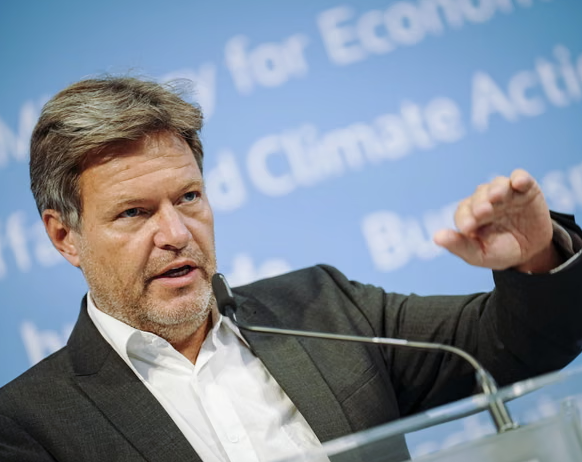
German Vice Chancellor and former Economy Minister, Robert Habeck, has issued a stark warning regarding a profound shift in global politics: the evolution from weaponizing energy to a broader “weaponization of everything.” This escalating trend, he cautioned, is poised to intensify dramatically with the prospect of Donald Trump’s return to the White House, ushering in a “second security shock” with far-reaching consequences.
From Energy Dependence to Strategic Vulnerabilities
Habeck, a prominent Green Party politician who guided Germany through a past energy crisis, reflected on past vulnerabilities. He noted that the belief that gas “would never be a political weapon” blinded successive German governments. This led to strategic missteps, including the construction of Nord Stream pipelines and the sale of strategic reserves to Gazprom, which Russia subsequently emptied before its offensive. This experience, he emphasized, underscored the perils of relying on critical resources from potentially hostile actors.
Trump’s Return: Broadening the Scope of Geopolitical Risk
Habeck warned that a potential second term for Donald Trump would mark a critical turning point. He anticipates a “dramatic, severe, and far-reaching” impact, pushing the world beyond mere energy weaponization. This new era, he elaborated, would see tariffs, technology, and other economic tools increasingly wielded as political weapons. “From the weaponization of energy – bad enough – to the weaponization of everything, this is a lesson I hope everyone has learned,” Habeck stated, stressing the urgency for global leaders to adapt to this evolving geopolitical landscape.
Highlighting Broader Geopolitical Disruptions
The report further highlighted contemporary concerns that illustrate this era of heightened political weaponization and its far-reaching consequences. It noted an imminent energy crisis potentially facing Europe. This scenario was presented in the context of recent developments in February, referencing US and Israeli actions against Iran that reportedly led to retaliatory responses and the closure of the Strait of Hormuz. As a vital global chokepoint, the Strait of Hormuz is critical for international energy trade, facilitating the passage of 20% of the world’s oil and liquefied natural gas (LNG). Such disruptions underscore the global implications of geopolitical tensions and the increasing interconnectedness of security and economic stability.