Title: Policy Discrepancies Cast Shadow on Iran’s Rice Market Stability
A Clash of Narratives Over a Staple Food
Recent weeks have seen Iran’s rice market characterized by price increases and relative shortages of certain varieties. At the heart of the issue lies a discrepancy between the accounts of private sector importers and state bodies regarding currency allocation and import procedures, creating an unclear picture for this essential commodity.
Importers Cite a Currency Freeze
According to Masih Keshavarzi, Secretary of the Association of Iranian Rice Producers and Suppliers, the allocation of foreign currency for rice imports has been halted since February 2024. He states that this freeze has prevented importers from settling their foreign debts, leading international sellers to withhold new shipments and even the commercial documents needed to clear goods already arrived in customs.
Keshavarzi emphasized that while the Ministry of Agriculture has given its approval for currency allocation in recent months, the Central Bank has not processed any payments. He further claimed that of the $9 billion in foreign currency reportedly allocated to the Ministry of Agriculture by the Central Bank in recent months, not a single dollar has been directed toward rice imports.
This prolonged delay, the industry representative argues, has not only damaged the credibility of Iranian traders with foreign exporters but has also left a portion of imported rice stranded at customs, incurring late-payment penalties for importers. Keshavarzi identified the halt in imports of Pakistani rice—a significant component of the Iranian household consumption basket—as a primary driver behind recent price surges for both foreign and domestic rice varieties.
Government Assurances of Ongoing Distribution
In contrast, the Ministry of Agriculture has announced that the process of supplying and distributing rice is continuing, with a portion of imported shipments currently being distributed.
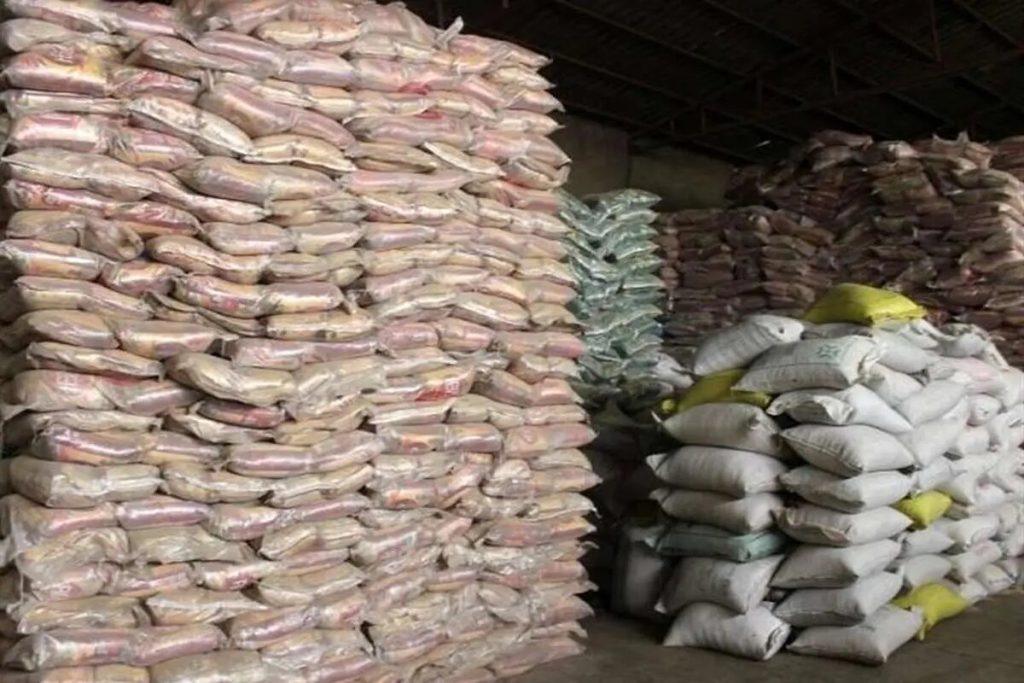
Majid Hasani-Moghaddam, Director-General of the Domestic Trade Office at the Ministry of Agriculture, reported that over 100,000 tons of Indian and Pakistani rice are present in the country’s customs. Of this amount, contracts for the delivery of approximately 64,000 tons to the state-owned Iranian Trading Company have been finalized, with about 11,000 tons already delivered to various provinces.
He added that another 35,000 tons of imported rice are within the state distribution network, with a portion already supplied to chain stores and cooperatives, and a further 15,000 tons being absorbed by networks introduced by the Ministry of Cooperatives.
Addressing record-breaking market prices, Hasani-Moghaddam stressed that the official set price for Indian rice is 59,800 Tomans and approximately 35,000 Tomans for the Pakistani type. He stated that the private sector must also supply at these rates, as their imports were conducted using preferential foreign currency. He also confirmed that the registration of import requests for market regulation continues and that redistribution will occur once more than half of the existing shipments are absorbed.
Coordination Key to Market Stability
The divergent narratives from the private sector and the government highlight a key tension in the rice market, stemming from policy coordination between the Central Bank, importers, and the Ministry of Agriculture. Experts warn that if this discrepancy is not resolved, it could not only lead to domestic shortages but also negatively impact Iran’s commercial credibility in international transactions.
With domestic production meeting only about half of the country’s needs, analysts caution that a lack of coordination in supplying market demand could lead to further price increases and reduced availability in the coming months.