Title: Global Demographic Shift: Nations Grapple with Aging Populations as Japan Leads the List
A Global Challenge Emerges
The world is rapidly aging, a demographic transformation that is reshaping labor markets, public finances, and long-term economic growth prospects. In many developed economies, the number of retirees is on the rise while the working-age population is shrinking, creating a new set of challenges for governments worldwide.
Understanding the “Old-Age Dependency Ratio”
At the heart of this issue is a key metric known as the old-age dependency ratio. This simple yet powerful figure indicates how many adults aged 65 and above exist for every 100 working-age adults (those between 15 and 64 years old). It effectively measures the balance between those typically retired and those who are active in the workforce. A higher ratio signifies that a country has a proportionally larger elderly population relative to its labor force.
The Global Rankings: Japan and Europe at the Forefront
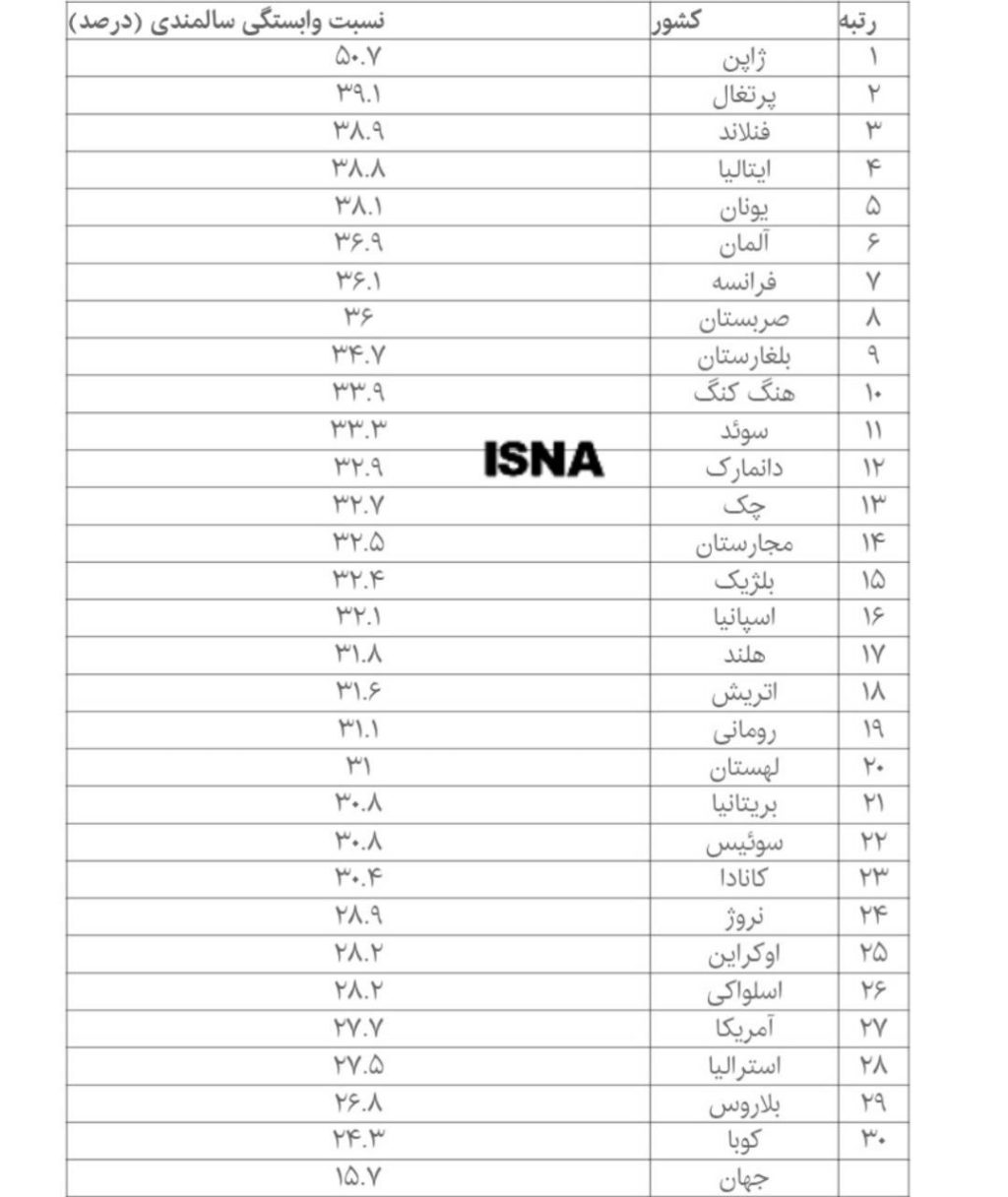
An analysis by Visual Capitalist, ranking countries with populations over five million, places Japan at the top of this list. With a ratio of 50.7%, Japan has more than half as many seniors as working-age adults, solidifying its status as the world’s oldest major society.
A significant portion of Southern and Western Europe follows closely behind Japan. Nations like Portugal (39.1%), Finland (38.9%), Italy (38.8%), and Greece (38.1%) all have ratios exceeding 38%. These figures are the result of decades of low birth rates and steadily increasing life expectancy, creating a pronounced demographic shift.
Younger Populations and a Widespread Trend
In contrast, countries at the lower end of the spectrum, such as Cuba (24.3%), Belarus (26.8%), and Australia (27.5%), maintain relatively younger population structures. The United States, with a ratio of 27.7%, also finds itself near the bottom of this list. However, experts note that the trend of aging is accelerating globally as large generations enter retirement and birth rates remain low.
Economic Implications of an Aging World
This demographic evolution places increasing pressure on public finances and alters consumer spending patterns. Its impact is felt across all sectors, from housing demand to investment behavior. Financially, older households tend to prioritize capital preservation over capital growth, shifting their investments away from risky stocks or startups toward safer, income-generating assets like bonds and dividend-paying stocks. This broad movement toward more secure investments could potentially reduce the overall market appetite for risk, which may, in turn, impact venture capital funding and innovation.