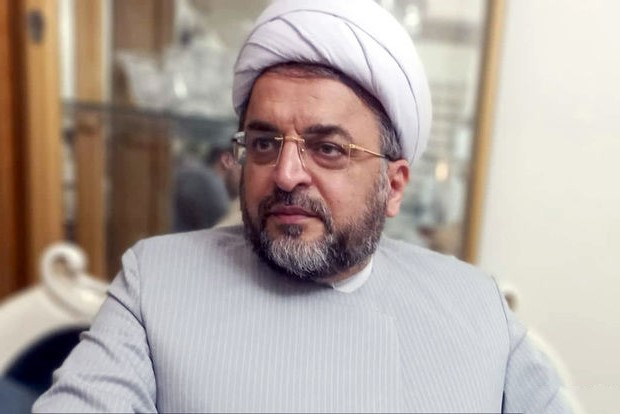
Hadi Soroush Hails Iranian People’s ‘Miraculous’ Resilience and Global Impact
Tehran, Iran – Hujjat al-Islam wa al-Muslimin Hadi Soroush, a prominent Iranian cleric, has penned a fervent tribute to the Iranian people, lauding their steadfastness and “miraculous” ability to overcome adversity. In a widely circulated article, Soroush underscored the pivotal role of the populace in Iran’s historical and contemporary political landscape, attributing significant geopolitical shifts to their collective resolve.
The Foundation of National Strength: The People
Drawing on Islamic religious texts, Soroush emphasized the profound importance of the citizenry, citing Imam Ali’s teachings from Nahj al-Balagha, which describe the people as the “pillar of the tent,” the bedrock of faith, the source of vibrant communities, and an “amazing force” against adversaries. This theological grounding, Soroush argues, underpins the Iranian nation’s inherent strength.
While acknowledging a long-held belief in the people’s capabilities, Soroush expressed newfound awe at the extent to which the Iranian nation has recently “proven itself.” He highlighted historical moments of national defiance, including the 1979 Islamic Revolution against oppression and the eight-year Sacred Defense against aggression, which he attributed to the spirit of martyrdom and inspiring leadership.
Modern-Day Resolve Amidst Challenges
Soroush particularly focused on the present era, where, despite years of economic hardship, concerns over corruption, and internal managerial “eliminations,” the people have once again demonstrated unwavering resolve. He noted this resilience occurred even in the wake of losing a significant national leader (referencing recent events without specifying) and under circumstances where “missiles and bombs rained down from various points of land, sea, and air.”
He recounted witnessing diverse segments of society—elderly men, women, children, and even young women with varying forms of hijab—mobilizing in the streets, expressing profound admiration for their unity and steadfastness. Soroush declared that no pen or tongue could adequately describe the greatness of the Iranian people, echoing historical sentiments that place their dedication above even early Islamic communities.
Geopolitical Ramifications and External Recognition
According to Soroush, the unwavering spirit and “Gheirat” (national honor and zeal) of the Iranian people have yielded significant global political outcomes:
- Challenging Western Prestige: He asserted that the people’s actions have “shattered the awe” surrounding the Western world globally.
- Exposing Human Rights Discourse: Soroush claimed it has exposed and “disgraced” Western human rights slogans in historical context.
- Shifting Perceptions of Israel: He posited that it has positioned Israel in the eyes and hearts of the world’s people as “the filthiest and most contaminated.”
Soroush cited international media as evidence of these shifts, mentioning an article in the Israeli newspaper Haaretz that reportedly stated Netanyahu had believed in a “myth of American power” that no longer exists. He also referenced CNN’s acknowledgment of the “stubborn resistance of Tehran” creating a “long-term stalemate” for former US President Trump during intertwined crises.
A Tribute to the Armed Forces and a Call to Leadership
The cleric also offered a fervent tribute to Iran’s armed forces, praising their “courage, faith, and religious and national beliefs” in “miraculously defending” the nation across its diverse terrains. He quoted an “esteemed Iranian intellectual” from abroad who reportedly expressed profound respect for the defenders, stating a feeling of humility in the face of their bravery.
Soroush concluded his message with a direct appeal to the “Islamic system” (Iranian authorities), urging them to recognize and honor the invaluable contribution of the people. He called upon the leadership to “kiss the hands of these people before the eyes of the world” and commit to building their future. Crucially, he advised the system to grant the people their “right to vote and choose,” ensure their access to “means of communication and knowledge,” and strive to provide them with “more and more welfare and a high quality of life.” He expressed hope that future generations of researchers, artists, and filmmakers would chronicle the immense courage and faith of the Iranian nation.