Ayatollah Mortazavi on Imam Ali’s Sermon: A Blueprint for Principled Islamic Governance
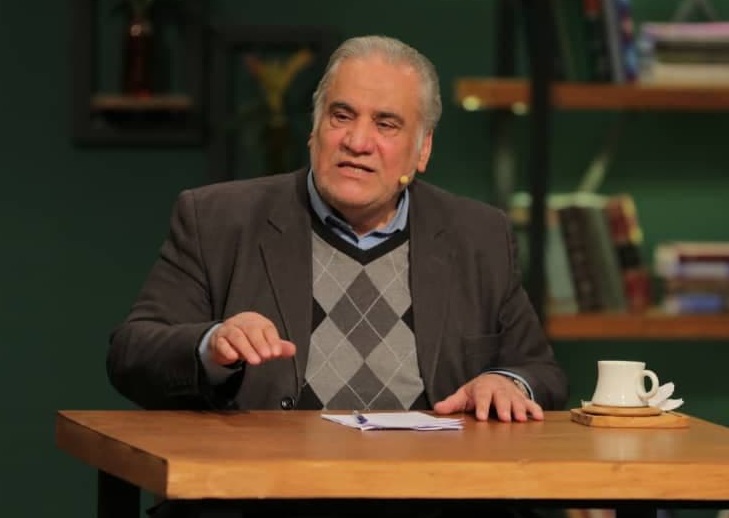
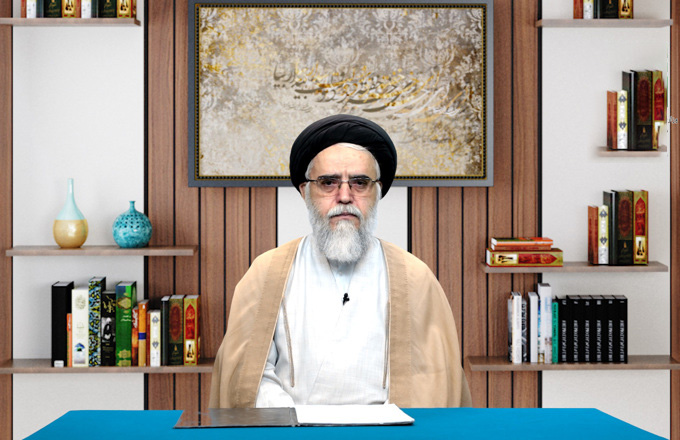
Ayatollah Sayyed Zia Mortazavi, a prominent Iranian scholar, has embarked on a profound exploration of Imam Ali’s seminal “Sermon of Hammam.” In an ongoing series, Professor Mortazavi meticulously dissects the ethical and anthropological wisdom embedded within this historical address, aiming to render its timeless principles applicable to contemporary individual and, crucially, societal life. The insights come at a significant time, as the holy month of Ramadan is highlighted as a potent catalyst for transformational change, extending its spiritual call to reform and elevate all aspects of society, including its governance structures.
The Nahj al-Balagha: A Guide for Governance
Professor Mortazavi emphasizes that the Nahj al-Balagha, a collection of sermons, letters, and sayings of Imam Ali, serves as an invaluable guide for the pious. While deeply personal in its spiritual lessons, its scope extends far beyond individual conduct. The scholar particularly highlights its profound relevance for “rulers, officials, and administrators in Islamic governments,” presenting it as a comprehensive ethical framework for leadership. Within this revered text, the “Sermon of Hammam” stands out as a pivotal discourse, eloquently detailing the characteristics of the Muttaqin (the pious) – qualities that, when embodied, form the very foundation of just and effective leadership.
Cultivating Sincere Commitment: Lessons from Hammam
The sermon’s historical context provides a critical lesson in the pursuit of profound knowledge and responsibility. It recounts how Hammam, a devout companion, earnestly implored Imam Ali to describe the attributes of the pious. Imam Ali initially responded with a brief, general exhortation to piety and good deeds, citing a Quranic verse. However, Hammam’s unwavering insistence, even to the point of a solemn oath, showcased his deep sincerity and intense desire for a more detailed exposition.
Professor Mortazavi interprets Imam Ali’s initial brevity not as reluctance, but as a pedagogical approach. It was a means to gauge Hammam’s genuine commitment and to underscore that the path to profound spiritual and ethical understanding, much like the path to principled leadership, demands more than superficial interest; it requires an enduring, dedicated pursuit. This exchange underscores a universal principle: significant wisdom and responsibility are bestowed upon those who demonstrate genuine fervor and perseverance.
The Capacity for Deeper Truths
The discourse further delves into the concept that the reception of profound truths necessitates a certain “capacity” or readiness in the individual. The Imams, as guides of humanity, judiciously imparted knowledge, tailoring their teachings to the preparedness of their audience. This responsible approach ensured that complex realities were grasped appropriately, preventing misinterpretation.
Professor Mortazavi illustrates this point with another historical anecdote: the story of Imam Reza explaining why the Prophet Muhammad was known as “Abul Qasim” (Father of Qasim). Initially, the Imam offered a simple, common explanation. Yet, when the inquirer, Hassan ibn Ali ibn Faddal, sensed a deeper meaning and respectfully asked if he was “worthy of more,” Imam Reza unveiled a profound theological truth, linking the Prophet’s title to Imam Ali as “Qasim al-Jannah wa al-Nar” (Divider of Paradise and Hell). This narrative reinforces the idea that demonstrating capacity and sincere inquiry can unlock deeper dimensions of knowledge, crucial for those aspiring to lead with wisdom and insight.
A Lifelong Journey of Transformation
Professor Mortazavi concludes by stressing that the spirit of Ramadan, while marking a significant spiritual beginning, is not an endpoint. The transformative journey for individuals and society demands continuous, lifelong effort. Just as Hammam and Hassan ibn Ali ibn Faddal relentlessly sought deeper understanding, so too must the pursuit of self-purification and ethical societal development be an unceasing endeavor.
The account of Unwan al-Basri, an elderly seeker who, despite initial refusal, persevered through prayer and demonstrated unwavering resolve to learn from Imam Sadiq, epitomizes this message. His eventual acceptance and the profound knowledge he received highlight that true growth, whether spiritual or in the realm of governance, is contingent upon persistent effort, inner readiness, and a genuine, demonstrated desire for improvement. Ultimately, Professor Mortazavi’s analysis of Imam Ali’s teachings presents a compelling vision where individual spiritual development forms the indispensable bedrock for a just, ethical, and progressively evolving society.