High-Stakes Diplomacy: Iran Navigates the Brink of Conflict
A leading academic warns that the relationship between Iran and the United States, alongside Western powers, has entered a phase of heightened ambiguity and conflict as 2026 approaches. Despite Iran’s consistent efforts to resolve pressing challenges and threats through diplomatic channels, the current geopolitical landscape suggests a shift away from constructive engagement, with diplomacy increasingly overshadowed by power politics and assertive postures from key international actors.
Diplomacy Under Strain
According to Professor Ebrahim Motaghi, a university scholar writing in Etemad newspaper, Iran’s pursuit of diplomatic solutions has yielded insufficient results. The international environment is marked by an apparent ineffectiveness of diplomacy, evidenced by a noticeable shift towards military, tactical, and operational maneuvers by the US in the region, including the anticipated “Victory Spears 2026” exercise. This climate fosters strategic uncertainty and the potential for uncontrolled security challenges, compounding existing social and economic indicators within Iran.
The article posits that external pressures, including economic challenges and what it describes as provocative online activities by figures like Donald Trump and media outlets such as Iran International, contributed to security crises in January 2026. Professor Motaghi argues that such external actions, alongside military and security options explored by the Trump administration and some Western political entities, act as “catalysts for expanding crisis and violence.” Overcoming these intricate challenges, the analysis concludes, hinges solely on robust diplomacy and peaceful conflict resolution.
Western Containment and “Diplomatic Disengagement”
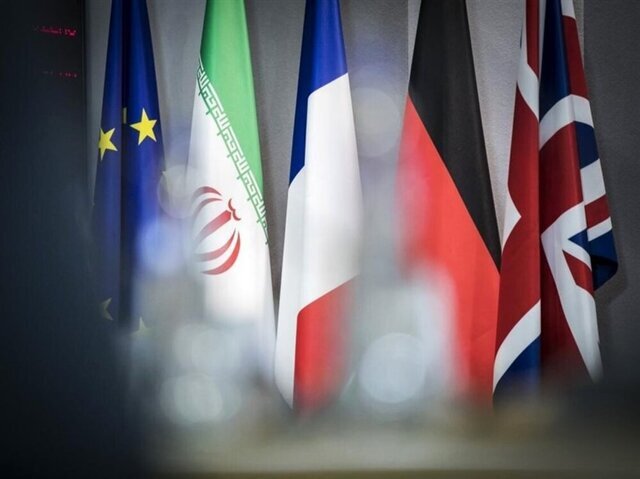
The analysis highlights efforts by the United States and several Western European nations to forge a new coalition aimed at confronting Iran. This strategy, characterized as “diplomatic disengagement,” reflects a perceived reluctance among international actors to peacefully resolve strategic and security issues with Iran. Diplomatic exchanges between Iran and the West have reportedly significantly decreased between 2025 and 2026, which the article attributes to US strategic objectives of diplomatically isolating Iran. Such isolation, it argues, can expose a regional power to greater security vulnerabilities.
The article points to instances of “coercive diplomacy” that complicate reaching agreements, citing the alleged withdrawal of diplomatic families from Iran by European foreign ministries as an initial, phased threat. Furthermore, it notes the US’s reported prevention of Iran’s Foreign Minister from attending the Munich Security Conference and the World Economic Forum in Davos. This exclusion from key international platforms is seen as a departure from diplomatic norms and a potentially dangerous development for bilateral relations and regional stability, suggesting that diplomacy may be nearing its effective limit in addressing security and strategic issues.
The “Securitization” of Iran
The author contends that the US and European countries are actively working to “securitize” Iran, framing it as a multifaceted international threat. This process is portrayed as part of a US strategic blueprint, drawing parallels to historical interventions against revolutionary governments, such as in Chile (1973), Guatemala (1954), and Iraq (2003).
Economic pressures, particularly “crippling sanctions” imposed by the US since 2018, have intensified, impacting Iran’s political economy and social structure. The article quotes strategists like Richard Nephew, who argue that sanctions erode a target country’s economic power, inevitably leading to pervasive internal security and economic challenges. It further highlights controversial claims, attributing to a purported US Treasury Secretary named “Scott Basant” at the Davos forum, statements suggesting the US employs sanctions to instigate social unrest in Iran, leading to casualties, and indicating a continuation of such policies.
Concurrently, the European Parliament’s resolution condemning Iran’s human rights record, alongside a session of the UN Human Rights Commission in January 2026, is viewed as a threatening development. The Islamic Republic perceives itself as facing escalating security threats, prompting it to inevitably adopt defensive mechanisms to ensure security and deterrence against potential military actions.
Undermining Legitimacy and Regional Roles
The analysis suggests that a primary objective of the US’s diplomatic pressure against Iran is to diminish the Islamic Republic’s “credibility” and “structural legitimacy” both domestically and on the global stage. Historically, countries subjected to securitization often face escalating threats. The article also touches upon Israel’s alleged role, describing its security units as engaging in “indirect actions,” including “operational activities, assassination, and creating chaos” within Iran, as part of a strategic division of labor with the US.
Towards a Resilient Future
In conclusion, the article underscores the critical importance of politics and security for countries to peacefully navigate escalating threats. Iran currently faces significant strategic ambiguity across economic, social, and security domains, exacerbated by increasing media, communication, and security threats. The author stresses that Iran’s economic challenges and governance structures are not aligned with the intensifying security threats.
To overcome these formidable challenges, the text emphasizes the necessity for Iran to strengthen its internal discourse, foster social solidarity, and adopt a survival strategy rooted in power generation, deterrence, and strategic flexibility in its foreign policy. The analysis suggests that despite the perceived effective role of Israeli and US intelligence services in attempting to reduce Iran’s economic and security strength, any acts of destabilization require internal social conditions and the active participation of rival actors. Therefore, overcoming these threats necessitates enhanced bureaucratic coordination and the revitalization of social cohesion within Iran.