Tehran Demands Emergency IAEA Talks Over ‘Aggressive Actions’
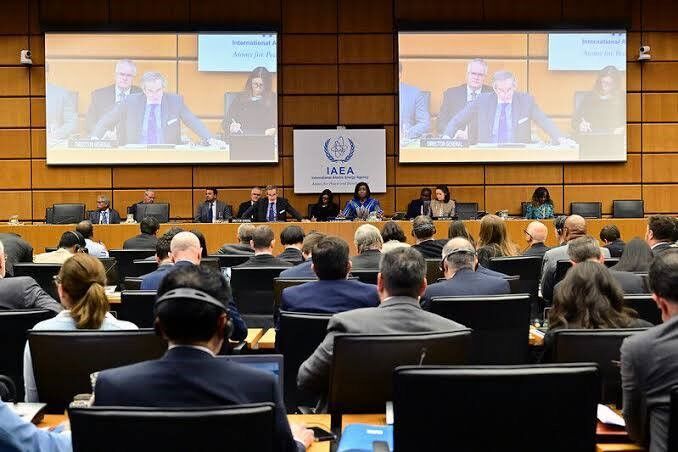
Vienna, Austria – The International Atomic Energy Agency’s (IAEA) Board of Governors convened an urgent, extraordinary session on Monday morning, shifting its regular quarterly meeting to the afternoon. This significant procedural change came at the direct request of the Islamic Republic of Iran, supported by Russia, to address what Tehran describes as “continuous aggressive actions” by the United States and the “Zionist regime.”
Iran Triggers Extraordinary Session
Originally scheduled for 10:00 AM Central European Time, the Board’s regular session was postponed to accommodate the emergency meeting. This diplomatic maneuver underscores the heightened political tensions surrounding Iran’s nuclear program and its interactions with international bodies.
According to a diplomatic source quoted by IRNA, Iran formally requested the immediate convening of an extraordinary session. This request subsequently received backing from Russia, a member of the Board of Governors, paving the way for the urgent talks.
Allegations of Aggressive Actions
The Permanent Mission of the Islamic Republic of Iran in Vienna had previously announced its intention on social media, stating it had dispatched a letter to IAEA Director-General Rafael Mariano Grossi. The letter explicitly called for the urgent extraordinary session.
Iran’s justification for this demand centers on “continuous aggressive actions by the United States and the Zionist regime,” which Tehran states began on February 28. The nature and specifics of these alleged actions are expected to be central to Iran’s presentation during the urgent talks.
Call for Board to Address ‘Hostile Threats’
In its communication, Iran’s mission emphasized that “baseless claims, hostile threats, and illegal actions by aggressors against Iran’s peaceful nuclear program must be immediately addressed by the Board of Governors.” This statement highlights Iran’s expectation that the international body will confront and scrutinize these alleged actions.
The extraordinary session marks a critical moment for diplomatic engagement, as Iran seeks to use the IAEA platform to challenge external pressures and assert the peaceful nature of its nuclear activities in the face of international scrutiny. The outcomes of these urgent deliberations are anticipated to provide insight into the ongoing political dynamics surrounding Iran’s nuclear dossier.