Iran Condemns Alleged US-Israel Nuclear Site Strikes as War Crimes in Urgent UN Appeal
Iran has officially accused the United States and “the Israeli regime” of committing war crimes through a series of alleged military attacks against its peaceful nuclear facilities. In an urgent appeal to the United Nations, a senior Iranian diplomat demanded immediate and decisive action from the international community, asserting that the strikes constituted flagrant violations of international law, the UN Charter, and the Statute of the International Atomic Energy Agency (IAEA).
Allegations of Targeted Strikes on Peaceful Nuclear Facilities
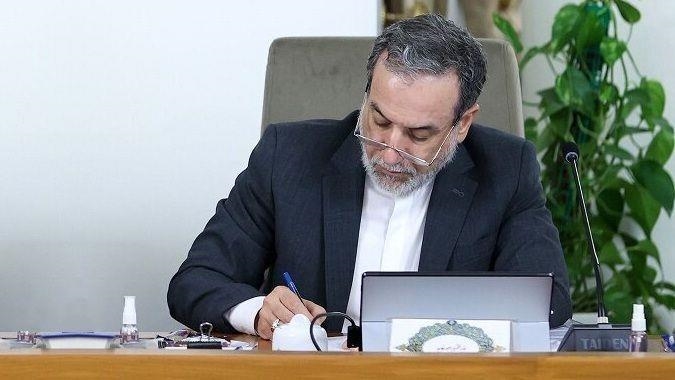
According to a letter from Iran’s Chief Diplomat, Seyyed Abbas Araghchi, addressed to the UN, a second wave of “aggressive actions” by US and Israeli forces began on February 28, 2026. These alleged military assaults targeted Iran’s safeguarded nuclear sites. The incidents cited include:
- March 1, 2026: Two separate military attacks on the Natanz nuclear facility.
- March 17, 2026: Another military strike against a building located just 350 meters from the active Bushehr nuclear power plant.
- March 21, 2026: Multiple points within the Natanz nuclear facility were subjected to bombing.
Iran characterized these actions as a continuation of “war crimes,” emphasizing that its nuclear facilities are dedicated to peaceful purposes and are under IAEA safeguards.
IAEA Director-General’s Warnings Highlight Grave Risks
The Iranian appeal extensively referenced statements by the Director-General of the IAEA, including those made before the UN Security Council on June 13 and June 20, 2025. The IAEA Director-General had unequivocally stated that “nuclear facilities must never be attacked, regardless of the context or circumstances, as such actions can harm people and the environment.” He warned that these attacks pose “serious consequences for nuclear security, nuclear safety, and the safeguards system, as well as for regional and international peace and security.”
Specifically addressing the Bushehr plant, which houses thousands of kilograms of nuclear material, the IAEA chief reportedly cautioned that the consequences of an attack could be “extremely serious,” leading to “very high releases of radioactive material into the environment” or even a reactor core meltdown if power supply lines were disabled.
Iran Cites Flagrant Breaches of International Law
Iran’s letter meticulously outlined various legal grounds for its condemnation, asserting that the alleged attacks represent:
- Violation of the UN Charter and Jus Cogens: A “flagrant violation” of the prohibition on the use of force as enshrined in Article 2(4) of the UN Charter, a principle recognized as a peremptory norm (jus cogens) of general international law.
- War Crimes and Crime of Aggression: Drawing on UN General Assembly Resolution 3314 (1974), Iran stated that “aggressive war is a crime against international peace” and leads to international responsibility. It labeled these actions as “war crimes” and the “crime of aggression,” which are among the “most serious crimes of concern to the international community.”
- Breaches of Humanitarian and Environmental Law: The targeting of facilities containing dangerous forces, such as nuclear power plants, constitutes a clear violation of international humanitarian law, particularly Article 56 of the 1977 Additional Protocol I to the Geneva Conventions. Furthermore, attacks causing widespread, long-term, and severe damage to the natural environment violate international environmental law, as per Articles 35 and 55 of the same Protocol.
- Undermining Non-Proliferation Regimes: Iran argued that such military actions or threats against peaceful nuclear facilities severely undermine the objectives of the Treaty on the Non-Proliferation of Nuclear Weapons (NPT) and the IAEA Statute. They erode the credibility and effectiveness of the global non-proliferation architecture, the IAEA safeguards system, and the inherent right of states to peaceful nuclear energy development.
International Condemnation and Historical Precedent
The Islamic Republic recalled UN Security Council Resolution 487 (1981), which unanimously condemned Israel’s 1981 airstrike on Iraq’s nuclear facility as a “clear violation of the United Nations Charter and the norms of international conduct,” urging Israel to refrain from such actions. Iran also cited numerous UN General Assembly and IAEA resolutions that have highlighted the severe consequences of attacking nuclear facilities and affirmed that such actions constitute “an attack against the Agency and its safeguards system.”
Moreover, the letter referenced a statement from June 13, 2025, by 120 member states of the Non-Aligned Movement (NAM), which “resolutely and strongly condemned the deliberate targeting of peaceful nuclear facilities,” expressing “deep concern” over the risks of radioactive release and threats to civilian populations and the environment.
Critique of IAEA’s Alleged Inaction
Iran expressed deep concern over what it described as the “continued inaction” of the IAEA Director-General and Board of Governors following its formal warnings about these alleged attacks. Iran contended that this inaction has not only emboldened the aggressors but also “irreparably weakened the credibility, effectiveness, and authority of the Agency and its safeguards system,” potentially leading to international responsibility for the IAEA itself.
Iran’s Demands from the UN Security Council
Given the gravity of the alleged attacks, Iran called upon the UN Security Council to fulfill its explicit legal obligation to act without delay. Iran demanded that the Security Council:
- Condemn the aggression decisively.
- Compel the “aggressors” to immediately cease all “illegal attacks.”
- Obligate the perpetrators to provide full reparations and compensation for all damages and losses incurred, including to Iran’s peaceful nuclear facilities.
Addressing Regional Nuclear Concerns
The Iranian appeal also specifically addressed the nuclear status of the “Israeli regime,” citing its “history of launching aggressive wars, attacking peaceful nuclear facilities in the region, and its continuous and systematic violation of international law.” Iran urged the Security Council to implement its previous resolutions and demand that Israel:
- Renounce the possession of nuclear weapons.
- Accede without delay to all relevant international legal instruments prohibiting weapons of mass destruction, particularly the NPT.
- Accept comprehensive IAEA safeguards and place all its nuclear facilities and activities under IAEA verification and monitoring.
- Provide formal, absolute, unconditional, and irreversible guarantees never to attack any nuclear facilities in the region or beyond.
A Call for Decisive International Action
In conclusion, Iran’s letter reiterated that the alleged joint military attacks by the United States and the “Israeli regime” against its peaceful and safeguarded nuclear facilities in June 2025 and February-March 2026 constitute “serious material breaches of the prohibition of aggression as a peremptory norm of general international law.” Iran stressed that this “grave situation requires an immediate and decisive response from the international community and the United Nations Security Council, in the framework of its responsibility for the maintenance of international peace and security.” The letter concluded with a request for its distribution as an official document of both the Security Council and the General Assembly under several agenda items.