Iran and Egypt Deepen Judicial Cooperation, Eyeing Key Role in Shanghai Cooperation Organization
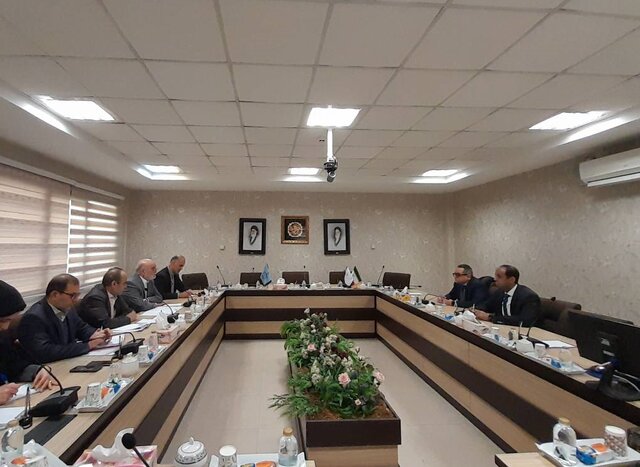
Tehran, Iran – Iran and Egypt have underscored their commitment to strengthening bilateral judicial cooperation, with a particular focus on the upcoming period when Iran is set to chair the judicial body of the Shanghai Cooperation Organization (SCO). The strategic dialogue unfolded during a recent meeting in Tehran between Nasser Sarraj, Iran’s Deputy for International Affairs of the Judiciary and Secretary of the Islamic Republic’s Human Rights Council, and Mohammad Zia, Head of Egypt’s Interests Section in Tehran.
Strengthening Bilateral Ties
The meeting, held on January 27, 2026, served as a platform to discuss not only bilateral relations but also broader regional and international developments. Both officials affirmed the friendly relations between their two nations and expressed a strong desire to expand judicial and human rights dialogues.
Iran’s Upcoming SCO Judicial Leadership
A significant point of discussion revolved around Iran’s enhanced role within the SCO. Mr. Sarraj highlighted that following the 20th SCO Judicial Heads meeting in Hangzhou, China, in 2025, Iran’s Judiciary Chief was unanimously selected to preside over the 21st meeting in 2026. This pivotal summit is slated to take place in Tehran, and Iran’s Judiciary plans to extend invitations to high-ranking judicial officials from all SCO member, observer, and dialogue partner states.
The objectives for the Tehran summit were outlined, emphasizing the establishment and strengthening of judicial mechanisms related to regional security and counter-terrorism. Key goals include boosting international judicial cooperation through modern technologies, deepening collaboration in combating international crimes, and fostering practical cooperation in economic security. Crucially, the summit aims to address challenges posed by illegal unilateral sanctions and promote support for production and investment within member states. Expanding communication platforms for judicial training, mutual legal assistance, and enhancing professional judicial capabilities are also high on the agenda.
Addressing Internal Developments: Iran’s Official Stance
Mr. Sarraj also took the opportunity to elaborate on recent internal developments in Iran. He explained that protests, initially triggered by currency fluctuations, began peacefully. He noted that senior officials, including the President, Judiciary Chief, and Parliament Speaker, attentively listened to the public’s grievances and initiated follow-up actions. However, Mr. Sarraj asserted that these peaceful demonstrations were subsequently transformed into “disturbances” due to alleged “interference from Western countries, particularly the United States.”
He detailed that security forces initially engaged without firearms but that, with what he described as “foreign support,” the protests escalated into chaos. Mr. Sarraj provided an extensive list of damages, stating that “rioters and armed terrorists” were responsible for burning and destroying numerous public and private properties, including hundreds of ambulances, fuel stations, local shops, residential units, banks, government buildings, police stations, schools, mosques, libraries, churches, and vehicles. He reported official statistics indicating a total of 3,117 fatalities, comprising both citizens and security forces, alongside individuals identified as rioters. Significant economic damages to the Tehran Municipality and the Red Crescent were also reported. Mr. Sarraj further criticized a recent political resolution issued against the Islamic Republic by the UN Human Rights Council, describing it as an unfair reversal of roles despite the extensive damages and casualties suffered.
Egypt Expresses Alignment
Responding to the comprehensive briefing, Mohammad Zia expressed gratitude for the detailed information on recent events in Iran. He affirmed that Egypt had closely followed the developments and disturbances. Significantly, Mr. Zia stated that Egypt’s positions on human rights generally align with those of the Islamic Republic of Iran.
Path Forward for Judicial Dialogue
The meeting concluded with both Iranian and Egyptian officials reaffirming their commitment to fostering friendly relations and continuing to strengthen their diplomatic and judicial ties, with a particular emphasis on ongoing human rights dialogues. The discussions laid the groundwork for enhanced cooperation, particularly in light of Iran’s upcoming leadership role within the SCO’s judicial framework.