Iran’s Strategic Missile Acquisition: Reshaping Regional Naval Dynamics
Iran is reportedly on the verge of finalizing a significant defense agreement with China for the acquisition of advanced supersonic anti-ship cruise missiles. This anticipated deal comes amidst a complex regional security landscape, including a notable United States naval presence near Iran’s coasts, and underscores a deepening of military cooperation between Tehran and Beijing.
The Anticipated Deal
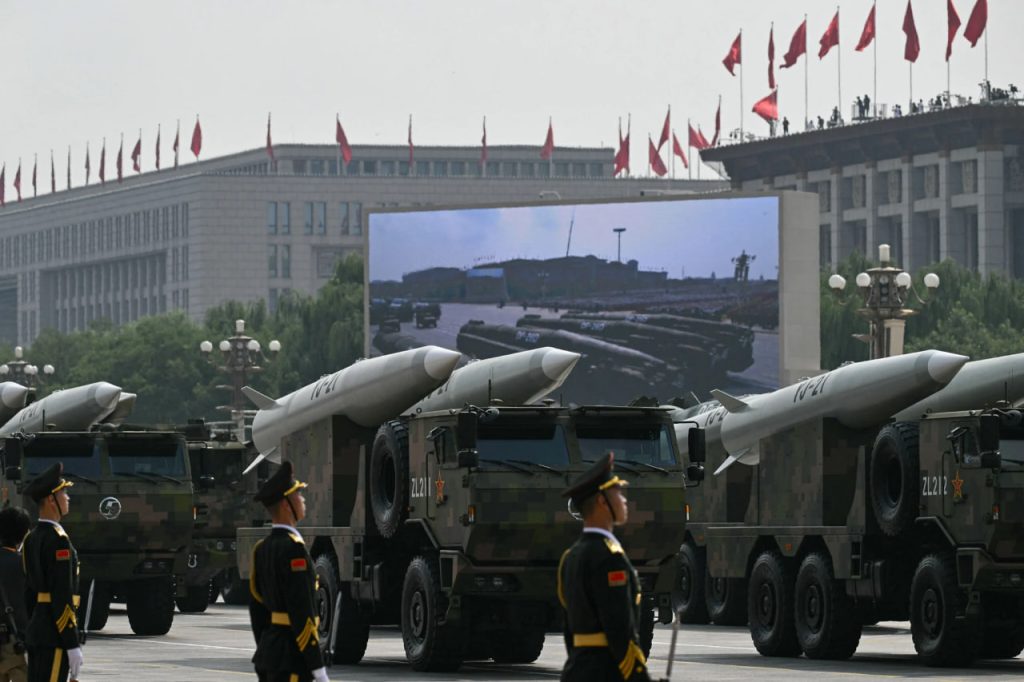
According to sources close to the negotiations, the agreement for China-made CM-302 supersonic missiles is nearing completion, though a specific delivery timeline remains unset. These advanced munitions boast a range of approximately 290 kilometers and are engineered for low-altitude, high-speed flight, making them exceptionally difficult for naval defense systems to intercept.
Experts suggest that the integration of such missiles would significantly enhance Iran’s defensive and deterrent capabilities. Danny Citrinovitch, formerly head of the Iran desk at Israeli military intelligence, remarked on the transformative potential, stating, “If Iran has the ability to attack ships in the region with supersonic missiles, things will change completely. These missiles are very difficult to intercept.”
Strategic Significance and Regional Impact
The discussions, which reportedly began over two years ago, gained considerable momentum following a period of heightened regional tensions and specific geopolitical developments in June. High-level Iranian military and government officials reportedly visited Beijing last summer as the negotiations entered their final stages.
An Iranian Foreign Ministry official, quoted by Reuters, affirmed Iran’s approach to leveraging its alliances: “Iran has military and security agreements with its allies, and now is the right time to use these agreements.” This statement highlights Iran’s strategic positioning within its established international partnerships.
Diplomatic Stances
The White House, when questioned about the specific missile talks, did not directly comment. However, a White House official referred to the ongoing diplomatic situation with Iran, recalling past statements from President Donald Trump, who indicated that “either we’ll make a deal or we’ll have to do something very tough, like we did last time.” This reflects the broader, long-standing dialogue surrounding Iran’s regional role and strategic programs.
The CM-302: A New Capability
The CM-302 missiles represent some of the most sophisticated military hardware China has potentially transferred. China’s state-owned Aerospace Science and Industry Corporation markets the CM-302 as a premier anti-ship missile, capable of neutralizing large naval vessels such as aircraft carriers or destroyers. Its versatility allows for deployment from ships, aircraft, or mobile ground platforms, with additional capability to strike land targets.
Pieter Wezeman, a senior researcher at the Stockholm International Peace Research Institute, noted that the acquisition of CM-302s would constitute a “significant optimization” of Iran’s arsenal, aimed at enhancing its capabilities after recent regional security challenges.
Broader Geopolitical Context
This development is seen as reinforcing the deepening military and strategic ties between China and Iran. Analysts suggest it introduces new dimensions to regional security discussions, particularly concerning missile programs, and influences strategic dynamics in a region where U.S. military presence has long been prominent. It also signals an evolving willingness from China to increase its engagement in key geopolitical regions.