Iran Emphasizes Purely Domestic Process for Future Leadership Selection
Tehran – A key advisor to Iran’s President on Clerical Affairs has underscored the critical importance of a purely domestic and constitutionally defined process for the selection of the Supreme Leader. The official stressed that the Assembly of Experts, the constitutional body tasked with this responsibility, must operate free from any external influences.
The Constitutional Mandate of the Assembly of Experts
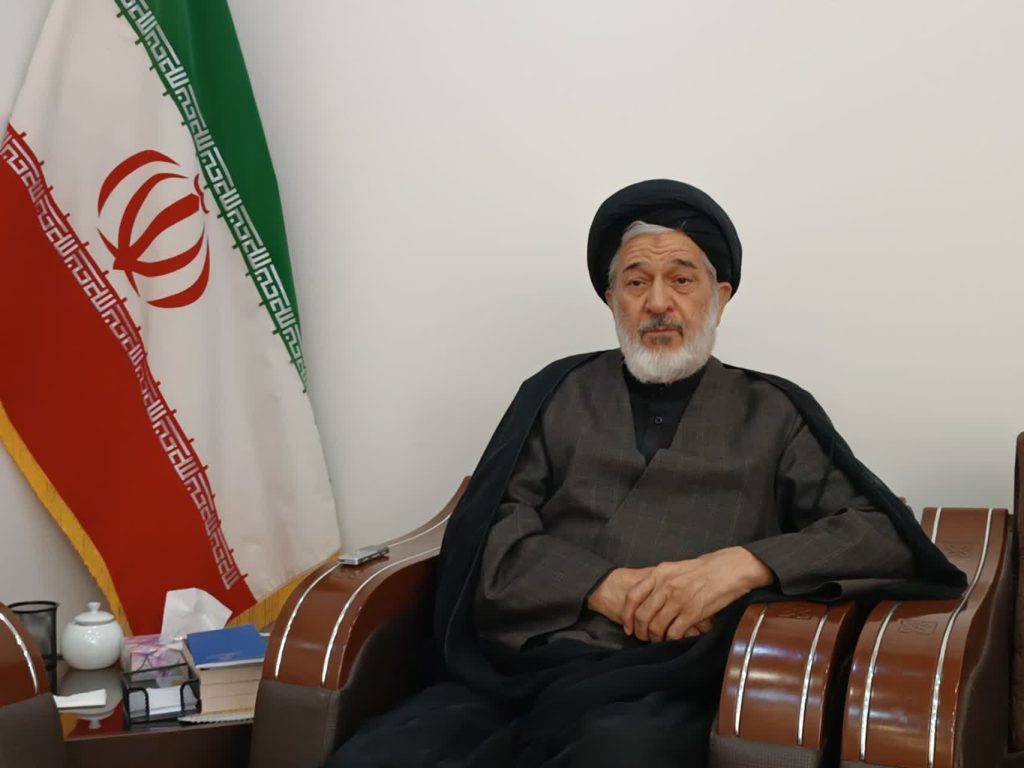
Hojjat al-Islam Seyyed Ali Emad, the Presidential Advisor, highlighted that the Constitution, specifically Articles 107 to 111, clearly assigns the direct duty of leadership selection to the Assembly of Experts. This body is mandated to decide on the future leader in the event of the current leader’s passing or incapacitation. The selection process, he affirmed, must adhere to a defined set of criteria and a precise framework.
According to the Assembly’s internal regulations, its sessions require a two-thirds quorum to be official, and the Supreme Leader is elected by a two-thirds vote of its members.
A Deliberate and Unbiased Selection Process
Emad elaborated that the Assembly’s task involves thorough discussion, investigation, and meticulous identification of qualified individuals. The chosen leader is then selected from among these candidates, considering a range of indicators and their respective weight. He reiterated that the Assembly of Experts is expected to fulfill its duty completely independently, unswayed by any external factors.
Public Engagement and the Need for a Calm Environment
While acknowledging the right of experts and the public outside the Assembly to contribute necessary information and data, Emad urged caution against creating an atmosphere that could divert the selection process from its calm, systematic, and precise trajectory. He drew an analogy to a judge delivering a verdict, emphasizing the need for the Assembly to be free from environmental pressures to ensure impartiality.
He stated, “Our duty is to assist in providing information to the Assembly of Experts if requested, but at the same time, we must strive to ensure this selection takes place in an appropriate environment. This is a task that experts and thinkers can and must undertake to facilitate such an environment.”
Acceptance and Adherence to Legal Framework
The Presidential Advisor stressed that the nation and its institutions must respect and accept the Assembly of Experts’ decision, regardless of personal predispositions. He framed this acceptance as the pinnacle of adherence to law, religious principles, and rationality, aligning with the jurisprudential and intellectual school of Imam Khomeini, which the current leadership continues to uphold.
Emad expressed confidence that the Assembly of Experts will act in full compliance with legal requirements and conditions. He affirmed that the decision of the Assembly, whatever it may be, will be accepted within the framework of the Constitution and the legitimacy it defines.
Upholding National Rights and Principles
Concluding his remarks, Emad conveyed confidence that the future leader, possessing the necessary qualifications and drawing on past experiences, will operate in line with the path and principles of Imam Khomeini and the late leaders. He affirmed that the rights of the nation, in harmony with the rights of Islamic jurisprudence, will undoubtedly be a central focus for the future Supreme Leader.