Rewritten Title: A New Chapter in Nuclear Diplomacy: UN Atomic Agency Adopts Resolution on Iran
Article:
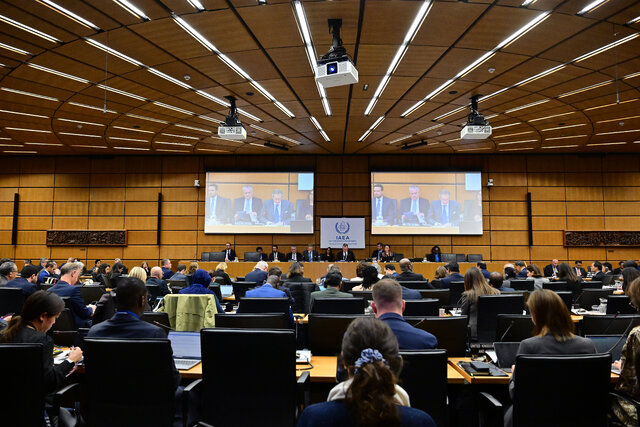
In a significant diplomatic development, the Board of Governors of the International Atomic Energy Agency (IAEA) has adopted a new resolution concerning Iran’s nuclear program. The move signals a pivotal moment in the ongoing dialogue between the Islamic Republic of Iran and the international community.
The Resolution and Its Stipulations
Passed with 19 votes in favor, 3 against, and 12 abstentions, the resolution, put forward by the European Troika and the United States, calls on Iran to provide “full and immediate” information, access, and monitoring for the IAEA in line with the Comprehensive Safeguards Agreement. The resolution emphasizes the need for enhanced technical cooperation, warning of potential “further measures” should its terms not be met.
A key feature of this resolution is its direct linkage to a series of United Nations Security Council resolutions from 2006 to 2010. It formally requests the IAEA Director General to report on Iran’s implementation of its safeguards agreement, as well as its compliance with the provisions of these revived UN resolutions.
A Complex Diplomatic Landscape
This development occurs against a complex backdrop of recent diplomatic efforts and regional tensions. A tentative agreement, brokered in Cairo in September 2025, aimed to restore cooperation between Iran and the IAEA following a period of heightened instability. However, the subsequent invocation of the “snapback” mechanism by the three European countries to reinstate the UN sanctions resolutions was met with a firm response from Tehran, which declared the Cairo agreement void.
Iranian officials have consistently pointed to the unprecedented military attacks on its nuclear facilities as a primary factor disrupting normal oversight activities. They argue that the IAEA itself suspended verification work in Iran for safety reasons, creating a situation where the full implementation of the safeguards agreement became practically challenging. Iran maintains that its nuclear program is, and has always been, entirely peaceful, and that its current level of nuclear development is a reality that cannot be reversed to the status of two decades ago.
Navigating the Path Forward
The resolution underscores a deep divide between the technical and political demands of the IAEA’s Western members and the established realities of Iran’s nuclear advancements. The call to roll back research and development to 2006 levels is seen by many analysts as a significant political challenge.
The way forward appears to hinge on serious political initiative and a managed, step-by-step approach to resolving outstanding issues. The international community now watches closely to see how this new chapter in nuclear diplomacy will unfold, with the potential for the dossier to be referred to the UN Security Council looming as a next possible step. The focus remains on finding a sustainable and mutually agreeable framework for cooperation that acknowledges both international obligations and on-the-ground realities.