Iran Rejects Ceasefire, Demands Full Regional De-escalation Amidst Escalating Tensions
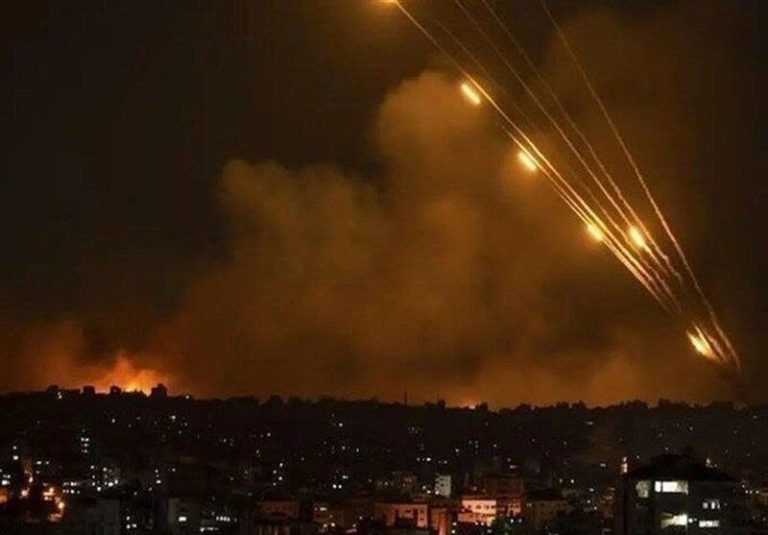
Tehran, Iran – Iran’s top diplomat has firmly stated that the country will not agree to a ceasefire and is instead pushing for a complete end to the ongoing conflict across the region. In an interview with Al Jazeera, Iran’s Foreign Minister, Seyyed Abbas Araghchi, revealed that Tehran has not responded to fifteen proposals from Washington regarding the cessation of hostilities, which has now entered its second month and triggered a global energy crisis.
No Direct Negotiations, Clarifies Iranian Diplomacy
Addressing claims of direct negotiations with individuals within Iran, the senior Iranian diplomat clarified that no formal discussions are underway. He emphasized that all communication channels operate through the Ministry of Foreign Affairs, in coordination with security bodies. Araghchi reiterated that Iran has not responded to any of Washington’s fifteen proposals and has not put forth any new terms or conditions. While acknowledging continued receipt of messages from U.S. Special Representative Steve Whitcoff, he stressed that this exchange does not constitute negotiations. These messages, he explained, often include “warnings or reciprocal views” transmitted through various regional conduits.
Demanding a Comprehensive End to Hostilities
The Foreign Minister made it unequivocally clear that Tehran’s objective is not a localized ceasefire but a complete cessation of the war enveloping the entire region. He indicated that Iran has not yet decided on direct negotiations with Washington, citing significant considerations. Among these are demands for guarantees against the recurrence of attacks and compensation for damages incurred.
Regional Security and Strait of Hormuz
Araghchi reaffirmed that the Strait of Hormuz remains fully open, with restrictions applied only to those deemed adversaries. He assured that all necessary measures have been taken to ensure the safe passage of vessels belonging to friendly nations through this vital waterway. The ongoing conflict, stemming from military actions initiated by the U.S. and Israel against Iran, has significantly disrupted shipping in the Strait, leading to what the International Energy Agency has described as the most substantial global energy supply disruption in history. Approximately 20% of the world’s oil and liquefied natural gas passes through this strategic chokepoint. Global oil prices have surged by over 50% since the conflict began, exacerbating concerns about a global economic downturn, with nearly a hundred countries reporting increased fuel prices.
Readiness for Confrontation and Regional Stability
The senior Iranian diplomat also addressed the possibility of a U.S. ground offensive, stating that Iran is prepared for any land confrontation and expressed hope that adversaries will not miscalculate their actions. Reports indicate that the Pentagon is making preparations for a potential U.S. ground operation in Iran. Iran, meanwhile, has emphasized its readiness to confront any U.S. ground forces.
Building Trust with Neighbors
Araghchi acknowledged that Iran faces “difficulties” in rebuilding trust with neighboring countries but expressed confidence that this will ultimately be achieved.