Rewritten Title: A Call for Systemic Reform: Samereh Advocates for Strategic Shifts in Esteghlal and Team Melli
Rewritten Article:
A Voice from the Sidelines
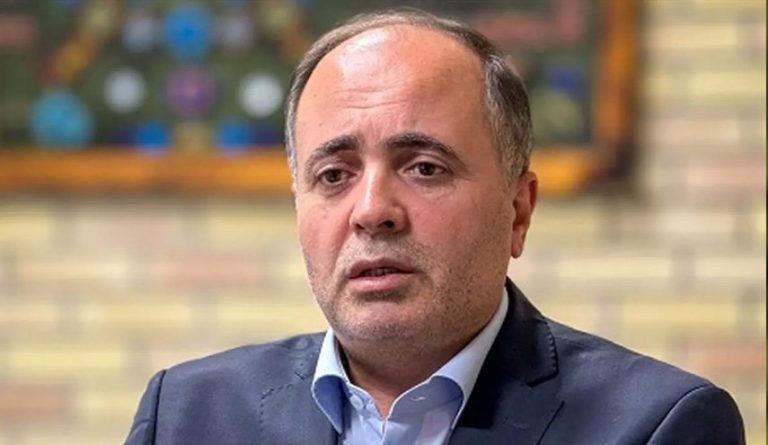
Former Esteghlal star Ali Samereh, while currently working with the UAE’s Al Bataeh club, remains a keen observer of the Iranian football scene. In a recent analysis, he called for patience and long-term strategic thinking for two of the nation’s most prominent teams: Esteghlal and the Iranian national football team, Team Melli.
Esteghlal: Stability Over Sudden Change
Samereh views Esteghlal’s recent victory, following the end of their coach’s suspension, as a positive sign. He emphasized the crucial role a manager plays on the sidelines and believes that constant criticism is counterproductive at this stage.
“Right now is not the time for criticism of Esteghlal,” Samereh stated. He advocates for reinforcing the technical staff rather than replacing the head coach, Javad Sakhvati (Nekounam). He urged players to reduce their errors and fans to be patient, allowing the coach to implement his tactical programs fully. However, Samereh did signal that significant changes are needed in the near future, suggesting that the team could benefit from a “youth movement.”
Team Melli: A Need for Foundational Reform
When the discussion turned to the national team, Samereh’s critique broadened to address the systemic issues within Iranian football. He argued that the focus should not be solely on Team Melli’s performance but on the foundational structures that produce its players.
“The fundamental issue is the state of football across the entire country,” he explained. “We have performed very weakly in preparing the mindset of our players, and they develop with these same methods.” He pointed to a lack of proper “construction” at the grassroots level, which leads to players entering senior teams with unprofessional habits, ultimately resulting in a scarcity of high-quality football.
Backing the Manager, Calling for Renewal
Samereh firmly believes that changing the national team’s head coach, Amir Ghalenoei, would be a mistake. He described Ghalenoei as the best available option, given his familiarity with the domestic player pool. The solution, according to Samereh, is not a foreign coach but a strategic “renewal” from within.
“Team Melli also needs a fundamental refresh,” he asserted. “Amir Ghalenoei must give much more value to young players and carry out the process of rejuvenation at the right time.” He dismissed the idea that a foreign coach would be a magic bullet, stating that such a change would not lead to sweeping victories in major tournaments.
The Root of the Problem: Management
Ultimately, Samereh identified management as the core challenge. He criticized a culture where officials, often non-specialists, sacrifice coaches to protect their own positions, denying young managers the time needed to succeed.
“You cannot bring in a young coach and dismiss him after two or three months. You must give a young coach a three-year opportunity,” Samereh concluded. “Whenever this issue is resolved, many of the problems in our football will be fixed.”