Israel Designates Five Palestinian Media Outlets as ‘Terrorist,’ Raising Free Press Concerns in Jerusalem
Crackdown on Palestinian Media
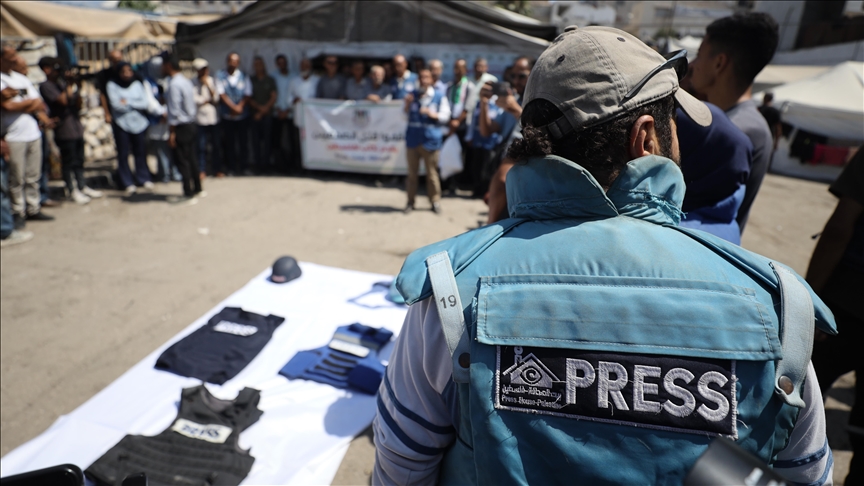
In a significant move concerning media operations in occupied East Jerusalem, Israeli authorities have ordered the blocking of five Palestinian media platforms. The decision, stemming from Israel’s War Ministry (now Ministry of Defense), targets these outlets for their coverage of Israeli actions in the contested city, sparking immediate concerns over press freedom and the flow of information from Palestinian territories.
The affected media platforms include Al-Asima News, Meraj Network, Al-Quds Al-Basila, Maydan Al-Quds, and Plus Quds. Notably, none of these organizations maintain physical offices within East Jerusalem, operating remotely.
Allegations of Incitement
According to Israeli reports, the decision to block these platforms was prompted by accusations of “incitement.” Israeli War Minister Israel Katz reportedly signed an order designating these platforms as “terrorist organizations.” Israeli Channel 12 reported that these channels were accused of “being provocative with a focus on developments in (East) Jerusalem and Al-Aqsa Mosque.” This designation marks a severe escalation, framing media reporting as a matter of national security and a direct threat.
A Challenge to Press Freedom
The move has drawn strong condemnation from Palestinian media circles, who view it as a direct assault on the freedom of expression and an attempt to control the narrative surrounding East Jerusalem. Al-Asima News, one of the targeted agencies, vehemently criticized the ban, stating, “In a new step added to Israel’s record of repression and stifling of freedom of expression, the occupiers have banned the work of several Jerusalem-based news networks to isolate Jerusalem and Al-Aqsa, monopolize them, and hide their news from the world.”
The agency further asserted its resolve, declaring, “Israel’s ban will not hide the truth. Silencing the camera will not silence Jerusalem. The narrative written with blood and resistance is stronger than any ban.” This incident underscores the deeply contentious nature of information control in politically sensitive areas, highlighting the ongoing struggle between state authority and the role of independent media in reporting on conflict and occupation.