Here is the rewritten English news article with a political focus:
Global Energy Flows Under Strain as Strait of Hormuz Disruptions Ripple Through Aviation
European Airports Grapple with Fuel Shortages Amidst Escalating Geopolitical Tensions
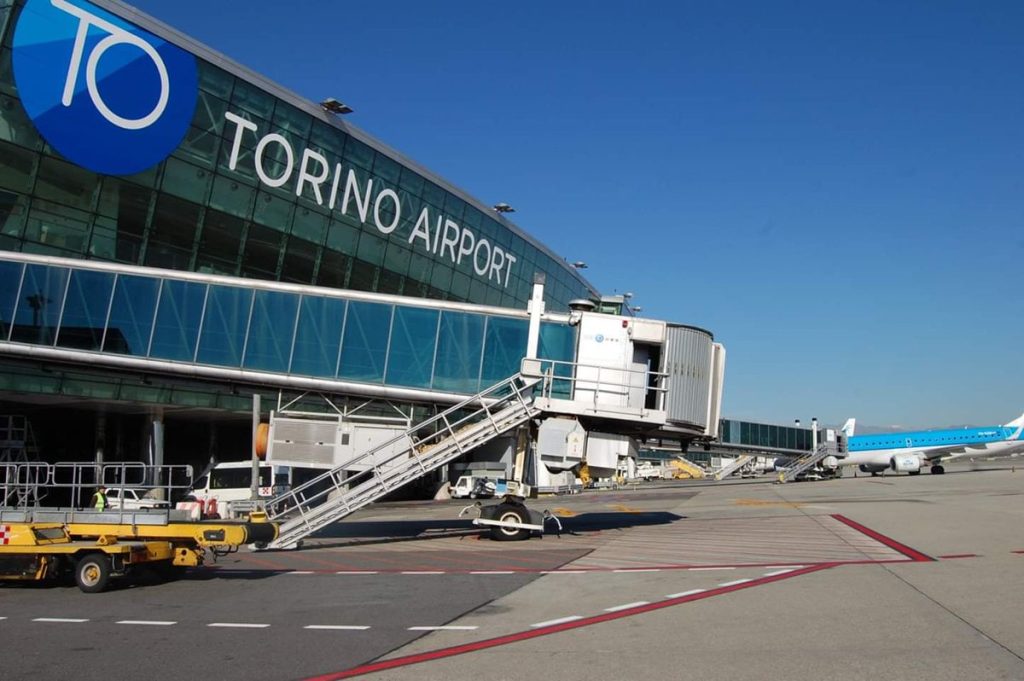
Rome, Italy – A palpable ripple of concern is spreading across Europe’s aviation sector as several Italian airports have issued urgent warnings regarding critically low jet fuel reserves. The implications of these supply chain vulnerabilities are becoming increasingly apparent, underscoring the far-reaching impact of ongoing geopolitical instability in West Asia on global energy markets and critical infrastructure.
The notices, known as “NOTAMs” (Notices to Airmen), have flagged restricted fuel availability for flights at key hubs including Bologna, Milan Linate, Treviso, and Venice. These advisories, in effect from April 2nd to April 9th, specifically highlight limitations on the supply of Air BP Italia’s Jet A1 fuel, a crucial commodity for modern air travel.
West Asian Conflicts and Strait of Hormuz Bottleneck
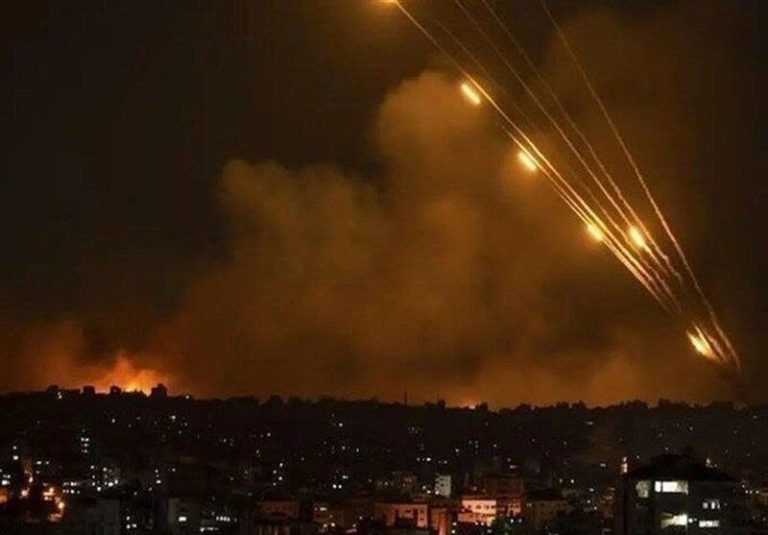
These disruptions in Italy are among the earliest indicators of fuel scarcity beginning to impact flight operations in Europe. The situation has been exacerbated by prolonged hostilities in West Asia, leading to significant operational challenges and a de facto closure of the Strait of Hormuz. This strategic waterway is a critical chokepoint for the global supply of crude oil, natural gas, and refined products, including jet fuel, for a vast international clientele.
Data compiled by Vortexa and reported by Bloomberg indicates that Europe is a major importer of jet fuel, with approximately half of the European Union and the UK’s supply originating from the Persian Gulf region. The disruptions at the Strait of Hormuz have therefore created a considerable bottleneck, affecting the steady flow of these essential energy resources.
Aviation Industry Braces for Further Impact
Major European aviation groups are actively assessing the potential consequences. Deutsche Lufthansa AG, Europe’s largest aviation group, has reportedly drawn up contingency plans, including the possibility of grounding aircraft if demand falters and fuel prices continue to climb due to the prolonged conflict in West Asia.
While the Executive Director of the International Energy Agency, Fatih Birol, has recently stated that there is no immediate “physical shortage of jet fuel or diesel in Europe,” he has cautioned that this situation could change in the coming weeks if energy flow disruptions from West Asia persist. The current geopolitical climate, characterized by actions impacting maritime traffic in vital waterways, has been described by the IEA as a significant disruption to global energy supply.
The escalating global oil prices, which have seen a substantial surge since the commencement of heightened tensions, are directly contributing to the increased cost of fuel. This, in turn, fuels concerns about a potential global economic slowdown. The dramatic rise in fuel prices is being felt worldwide, with numerous countries reporting increases in gasoline prices.
Market Volatility and Future Outlook
Experts suggest that if the Strait of Hormuz remains impassable, global energy prices could experience a significant upward trajectory, potentially reaching unprecedented levels. This impending price surge is expected to be passed on to consumers by airlines across the globe, from Asia to the Americas.
Data from the International Air Transport Association (IATA) reveals that global jet fuel prices have more than doubled since the conflict in the Middle East escalated, compelling airlines to either increase their fuel surcharges or curtail services. This has resulted in a substantial decline in the market value of major international airlines, signaling the severity of the aviation crisis, which some are comparing to the challenges faced during the COVID-19 pandemic. Airlines are responding with surcharges and re-evaluating their flight routes in an attempt to mitigate the financial impact.