Japanese PM’s Approval Nosedives as Tax Cut Pledges and Snap Election Spark Political Turmoil
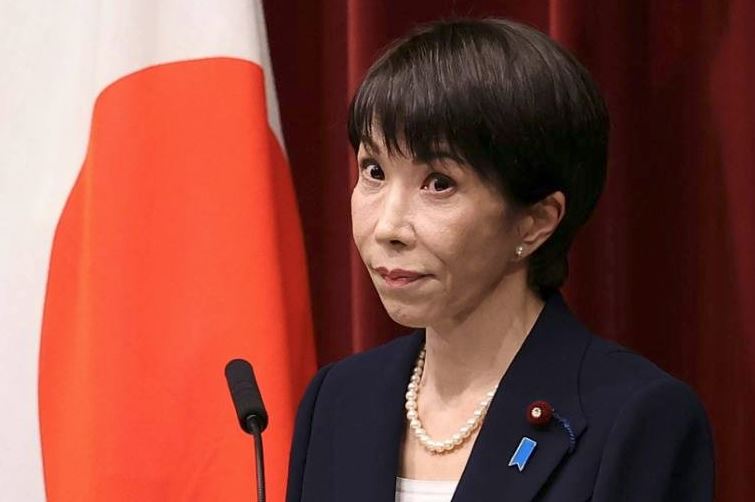
Japanese Prime Minister Sanae Takaichi is facing a significant political challenge, with her approval ratings plummeting as public skepticism mounts over her ambitious tax cut pledges and the controversial decision to call a snap general election. New polls reveal a sharp decline in support, signaling growing doubts about her government’s economic strategy and political maneuvering.
Approval Ratings Plummet
Just three months into her tenure as Japan’s first female Prime Minister, Takaichi’s political honeymoon appears to be over. A weekend survey by the Nikkei newspaper showed her cabinet’s approval rating dropping to 67% from 75% in December, marking the first time it has fallen below 70% since she took office last October. This trend is echoed by other major polls; the liberal Mainichi Shimbun reported an even steeper decline from 67% to 57%, while the influential Yomiuri Shimbun noted a four-point dip to 69%.
The Snap Election Controversy
Central to the public’s unease is Takaichi’s sudden announcement of a snap election for February 8th. This decision comes barely a year after the previous lower house election in October 2024, which was intended for a four-year term, raising questions about political stability and expediency. Takaichi asserts that the early election is crucial to secure a fresh mandate and confirm public support for her and her nascent coalition government. However, many citizens express frustration, particularly as the abrupt poll has reportedly slowed legislative debates on the crucial new government budget, a process typically concluded before Japan’s fiscal year ends in March.
Tax Cuts and Economic Doubts
Adding to the political pressure are Takaichi’s prominent campaign pledges, notably a two-year abolition of the food consumption tax. While aligned with opposition parties’ calls for various tax reductions, the Prime Minister has yet to articulate a clear strategy for funding this costly initiative. Public confidence in the proposal appears low, with a Nikkei survey indicating that 56% of respondents do not believe a zero-rate food tax would be an effective measure against rising prices. This skepticism highlights broader public demand for robust economic plans to combat persistent inflation.
Quest for a Stronger Mandate
Takaichi, who became Prime Minister three months ago, hastily formed a fragile coalition between her Liberal Democratic Party (LDP) and the Japan Innovation Party to secure a slim majority in the powerful lower house. A victory in the upcoming election would undoubtedly bolster her claim to a stronger public mandate, providing more political capital. However, this pursuit comes at a challenging time for the LDP itself, which has been grappling with declining popularity and a series of high-profile scandals, further complicating Takaichi’s political calculations.
Upcoming Political Test
The Prime Minister is set to directly address these mounting concerns in a televised debate on Monday, where she will face leaders of opposition parties to defend her policies and rationale. This public forum will be a critical test for Takaichi as she seeks to regain public trust and justify her government’s direction ahead of the pivotal February vote.