Iran’s Judiciary Navigates National Challenges: Prioritizing Economic Resilience, Judicial Modernization, and Differentiated Justice
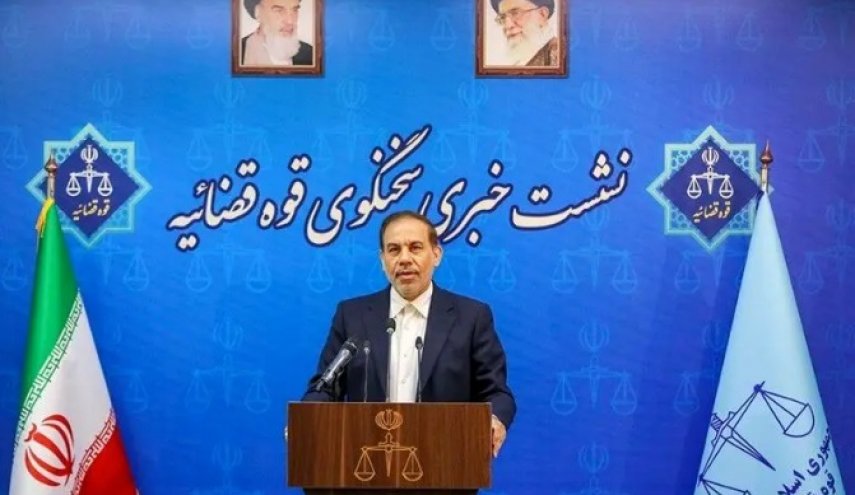
Asghar Jahangir, Spokesperson for Iran’s Judiciary, recently outlined the institution’s multifaceted approach to national challenges, addressing issues ranging from economic resilience and social stability to judicial reform and geopolitical pressures. In a comprehensive press briefing, Jahangir underscored the Judiciary’s commitment to upholding justice while adapting to the country’s dynamic landscape.
Economic Resilience and National Unity
Jahangir emphasized the judiciary’s vigilance against economic challenges, stressing that such issues must not be allowed to foster widespread dissatisfaction. He highlighted efforts to rigorously monitor markets and commodity supplies, particularly during significant national periods like Nowruz and the holy month of Ramadan. Attributing current economic conditions to an “economic war” waged by adversaries, Jahangir called for collective national effort to counter unjust sanctions and prevent their intended social impact. He also lauded the government’s initiatives to ensure market discipline, including the successful implementation of the commodity coupon plan. The spokesperson further commended the Iranian people’s unwavering commitment to the ideals of the Islamic Revolution, demonstrated through their enthusiastic participation in the anniversary celebrations, which he described as a message of national unity and defiance against foreign adversaries.
Differentiated Judicial Approach to Recent Incidents
Addressing the legal processing of recent national incidents, Jahangir detailed the judiciary’s differentiated approach. He reported that over 10,000 judicial warrants and nearly 9,000 indictments have been issued, with cases progressing through various stages. Crucially, Jahangir clarified that while a firm stance is maintained against those who orchestrate disturbances or engage in “terrorist acts” and damage public property, the judiciary applies a reformative and compassionate view towards minors who may have been influenced by prevailing atmospheres but did not play a significant role or cause serious harm. He noted that some minors in such situations have already been released after initial assessments, with cases potentially closed upon obtaining commitments or apologies. Jahangir also explained that the judiciary chief’s call for “accelerated processing” of these cases emphasizes increased dedication and promptness within legal frameworks, rather than compromising due process, especially given national circumstances and attempts by adversaries to exploit the situation.
Modernizing Justice through Technology
In a significant move towards greater efficiency and transparency, Jahangir announced several advancements in judicial modernization, including the launch of a “Smart Judicial Assistant.” This AI-powered system is designed to provide accurate, documented legal responses based on laws, precedents, and advisory opinions, serving as a vital support tool for judicial staff and citizens alike. He also detailed a system for scoring judicial verdicts before finalization, which utilizes artificial intelligence to identify potential errors and minimize mistakes. Furthermore, a smart management dashboard is being implemented to provide real-time performance data across courts nationwide, enabling precise oversight and evaluation of judicial operations. Jahangir underscored that these technological advancements aim to reduce human error, enhance consistency in rulings, and simplify legal processes for the public.
Comprehensive Social Support and Protection
The spokesperson highlighted the judiciary’s proactive role in reducing social harms, collaborating closely with governmental bodies. Key initiatives include the establishment of counseling centers alongside family courts, offering psychological, social work, and financial support services, particularly to indigent individuals and in divorce cases, aiming to foster reconciliation. Jahangir also pointed to the use of mediators and Quranic arbitrators nationwide, alongside efforts to enhance communication skills within families. He further reported on the progress of the “Women’s Security Against Violence Bill” in parliament and the creation of support offices for women and children at courthouses, providing free legal and social services. Special attention is also given to female prisoners and girls in rehabilitation centers, reflecting a supportive and reformative approach. Collaborative projects with the Ministry of Education, such as the “NAMAD” (Student Social Care System), aim to equip students, parents, and educators with preventive skills against social harms, including those emerging from cyberspace.
Addressing Geopolitical Maneuvers and International Legal Action
Jahangir strongly rejected the recent anti-Iran resolution by the European Parliament, labeling it as a pursuit of “hegemonic policies” disconnected from reality and based on “hostile and anti-revolutionary positions,” thus lacking legal validity. On another international front, he confirmed ongoing efforts to gather comprehensive documentation for an international lawsuit against the “Pahlavi Foundation,” which he characterized as a “terrorist and plunderer” of national assets. The spokesperson cited reports indicating the foundation’s involvement in “terrorist actions, including the importation of ammunition and weapons,” with the aim of quantifying damages and destruction. Regarding the legal follow-up on cases related to the “12-day war” and the December incidents, Jahangir stated that both domestic judicial proceedings and international pursuits are underway. He noted that the Human Rights Headquarters of the Judiciary is compiling extensive reports for international forums, detailing the terrorist nature of violent acts, Iran’s national sovereignty, the right to crisis management, prevention of foreign interference, and justice for victims, including child fatalities.
Commitment to Judicial Independence and Due Process
Regarding high-profile legal matters, Jahangir confirmed that Ali Shakourirad is serving a one-year final conviction from a previous case, while a new case for “propaganda against the system” has been opened concerning his recent statements. He also addressed the cases of several individuals from the Reformist Front, who are under investigation for similar charges and have been released on bail, with investigations continuing. Jahangir reiterated the judiciary’s unwavering independence, asserting that judicial processes are conducted strictly within legal frameworks, including the Islamic Penal Code, and are not influenced by executive decisions or political positions.