Kuwaiti Analyst’s Provocative Claim: ‘We Defend US Bases,’ Ignites Gulf Debate on Regional Security
Kuwait City – A recent televised interview featuring a Kuwaiti political analyst has sparked a firestorm of controversy across the nation, challenging long-held assumptions about regional alliances and the role of foreign military presence. The analyst’s direct assertion that Kuwait and Gulf states are, in fact, protecting American forces rather than being defended by them, has resonated deeply with citizens and fueled a significant online debate.
The Provocative Claim
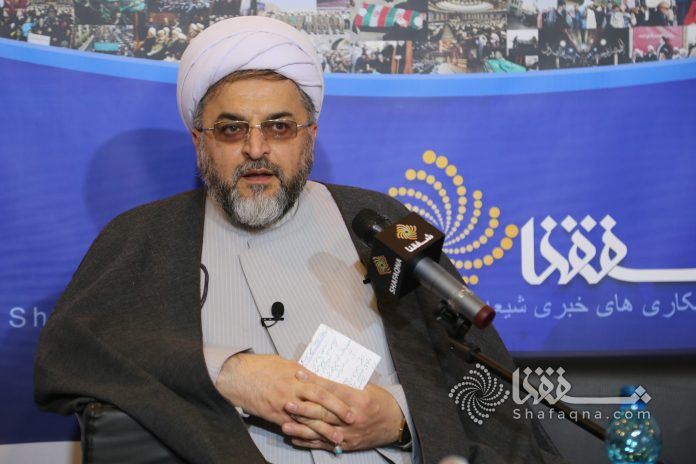
During a television appearance, political analyst Musaed Al-Mughnam declared, “It is we who protect the Americans, not the other way around.” This statement, delivered with striking candor, directly questioned the foundational premise of the US military presence in the region, particularly in Kuwait. Al-Mughnam further elaborated, referencing hypothetical demands from Iran’s Revolutionary Guard to dismantle American bases, stating, “Let’s assume what the demands of Iran’s Islamic Revolutionary Guard Corps are, that we dismantle American bases? They think the Americans defend us; today, we are the ones who defend the Americans.”
Challenging the Defense Narrative
Al-Mughnam’s remarks gained particular traction amidst ongoing reports of the United States bolstering its air defense systems in “occupied territories” (a common reference to Israel in Arab media), while perceived inaction or insufficient response to attacks impacting Gulf Arab states was noted. This perceived disparity in US security priorities underscored Al-Mughnam’s argument that the traditional narrative of American protection for the Gulf region may no longer align with current realities. His analysis suggests a shift where host nations bear the burden of protecting US assets, rather than primarily benefiting from their presence.
Public Outcry and Skepticism
The analyst’s comments immediately ignited a wave of reactions across Kuwaiti social media platforms, with citizens expressing a mix of frustration, agreement, and calls for a reassessment of foreign policy.
One user, Maryam, lamented, “Instead of fixing it, they made it worse,” reflecting general dissatisfaction. Another, Abu Kahlan Al-Ghanem, issued a stark call: “Expel them from your land. They have brought nothing but misery and war for you and the region.” Criticizing the quality of public discourse, a citizen remarked, “God help us, this person is an analyst. Choose people who understand. This is a sensitive time; we don’t need any more nonsense.”
The logical implications of Al-Mughnam’s statement were also highlighted, with Omar questioning, “Well, if you’re defending Americans, why keep them?”
Questioning Alliances and Costs
Many Kuwaitis used the opportunity to voice deeper concerns regarding the true beneficiaries and costs of foreign military presence. Citizen Ali wrote, “America only defends the Zionist regime, and anyone who still hasn’t understood this truth is mentally backward!! The big question remains: why are these American bases there that have brought nothing but destruction and devastation to the countries of the region, besides wasting tens of billions from the budget of each Arab country?” This sentiment underscores a widespread perception that US foreign policy in the region is primarily geared towards protecting specific allied interests, rather than broader regional stability.
Mohammed Al-Halawi interpreted the analyst’s remarks as a stark admission that Gulf nations, by hosting US bases, are essentially defending an American-Israeli military presence. He suggested that, from this perspective, actions taken by Iran could be seen as a natural response in what he described as a conflict with the US and Israel.
Another citizen expressed profound dismay, stating, “This admission is a disaster, where are the security agreements?” This reflects a questioning of the efficacy and terms of existing defense pacts in light of the analyst’s claims.
The debate also touched upon the essence of patriotism, with a commenter noting that “True patriotism means telling the truth and not being afraid of it… criticizing the government to protect the country.” This reflects a desire among citizens for greater transparency and accountability in foreign policy decisions, and a re-evaluation of national interests in an evolving geopolitical landscape.
A Call for Reassessment
The controversy surrounding Musaed Al-Mughnam’s statement reflects a growing public debate within Kuwait and potentially across the Gulf about the nature of security alliances, regional sovereignty, and the true cost-benefit analysis of hosting foreign military bases. It signals a desire among segments of the populace for a critical reassessment of long-standing geopolitical strategies in a rapidly changing Middle East.