Lebanon Escalation: Ceasefire Strain Amidst Civilian Toll and Diplomatic Maneuvers
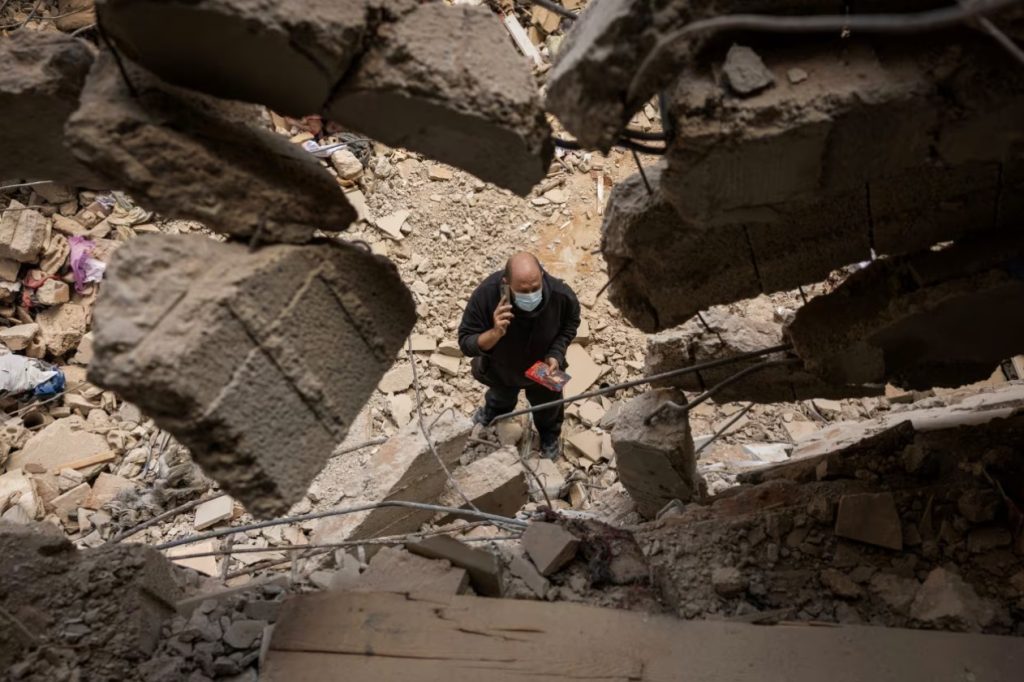
Beirut, Lebanon – Lebanon is grappling with the devastating impact of escalating Israeli attacks, which have claimed the lives of at least 2,020 individuals and injured 6,436 since the beginning of March, according to the Lebanese Ministry of Health. The casualties include 165 children, 248 women, and 85 medical personnel, highlighting the severe humanitarian cost of the ongoing conflict.
Diplomatic Efforts Under Pressure
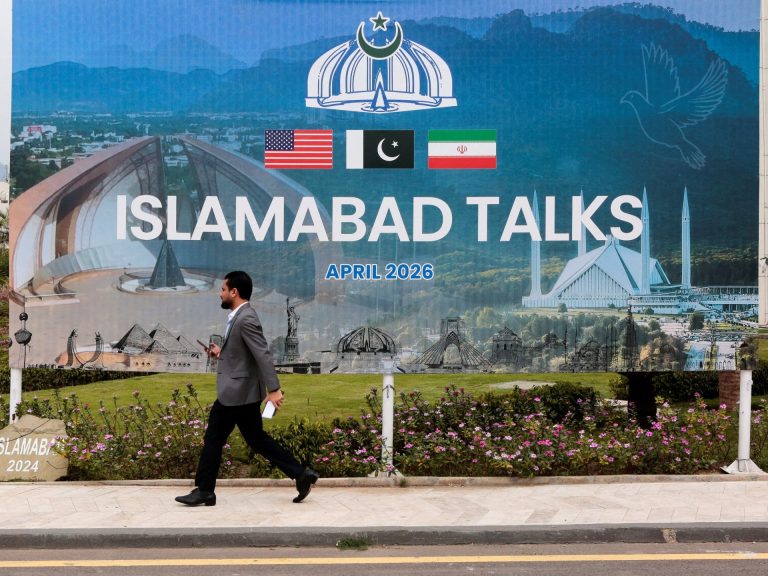
The recent fragile two-week ceasefire, brokered between Iran and the United States with Pakistani mediation, is facing significant strain due to continued Israeli military actions in Lebanon. The agreement, which commenced on Wednesday after 40 days of conflict, was based on Iran’s 10-point proposal. This proposal, as emphasized by Iran’s Supreme National Security Council, secured commitments from Washington, including non-aggression, continued Iranian control over the Strait of Hormuz, acceptance of enrichment, lifting of all sanctions, termination of UN Security Council and IAEA resolutions, compensation for Iran, withdrawal of US combat forces, and a cessation of hostilities on all fronts, including against Hezbollah in Lebanon.
Israeli Stance on Ceasefire
Despite the broader diplomatic understanding, the Israeli military issued a statement hours after the Iran-US agreement, declaring its intention to continue operations against Hezbollah and its ground offensive in Lebanon. Israeli Prime Minister Benjamin Netanyahu has also asserted that the [ceasefire] agreement does not encompass Lebanon.
Continued Attacks and Diplomatic Overtures
Israel has persisted with its strikes on Lebanon, including a significant wave of attacks on Wednesday that reportedly resulted in at least 300 fatalities and over a thousand injuries, according to Lebanese officials.
In parallel, diplomatic efforts are underway to de-escalate the situation. Axios, citing informed sources, reported that the United States and Lebanon have urged Israel to “halt” its attacks against Hezbollah ahead of planned direct negotiations between Israel and Lebanon next week. Some Israeli officials reportedly believe that a “pause” in operations could benefit Israel within the context of these discussions with the Lebanese government.
Pre-Negotiation Diplomacy
Preparatory discussions have seen the Israeli and Lebanese ambassadors in Washington engage in a preliminary trilateral phone call with a US State Department official. Following this, Beirut announced an agreement to hold direct negotiations on April 14th. Lebanon’s Ambassador to Washington, Nada Hamadeh Mouawad, and her Israeli counterpart, Yishai Litvin, reportedly agreed to meet on April 14th in Washington to discuss ceasefire negotiations.
High-Level Communication and Coordination
Earlier reports indicated a “tense” phone call between US President Donald Trump and Israeli Prime Minister Benjamin Netanyahu on Thursday, shortly before Israel announced its intention to pursue direct ceasefire talks with Lebanon. Sources suggested that Netanyahu understood that Trump might unilaterally declare a ceasefire if direct negotiations were not pursued.
This was the third call between Trump and Netanyahu this week focusing on Lebanon. On Tuesday, prior to the announcement of the two-week ceasefire with Tehran, the leaders spoke, with Israeli sources indicating Netanyahu had lobbied Trump to keep Lebanon separate from the Iran-brokered ceasefire framework. A subsequent call on Wednesday saw Trump urging Netanyahu to reduce bombing in Lebanon following the significant casualties from Wednesday’s attacks. The third call on Thursday preceded Netanyahu’s announcement of direct negotiations.
The Prime Minister’s office, in response to reports of a “tense” call, characterized it as a “friendly” conversation, stating that the two leaders “cooperate in full coordination and mutual respect.”