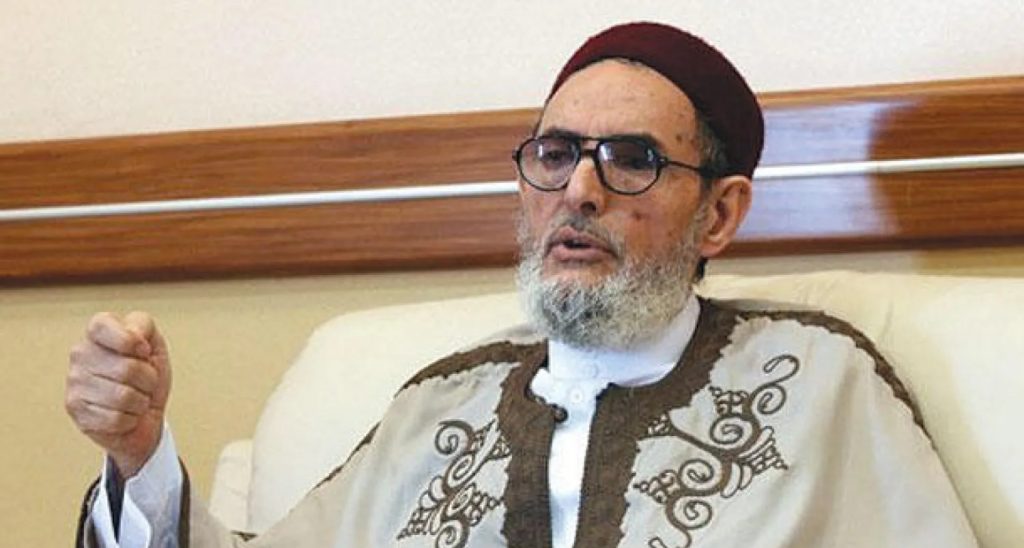
Libya’s Grand Mufti Issues Religious Call for Muslim Unity to Support Iran Against US-Israeli Actions
In a significant religious decree with clear geopolitical implications, Sheikh Sadiq Al-Ghariani, the Grand Mufti of Libya, has called upon Muslims globally to stand in solidarity with Iran against perceived American and Israeli aggressions. The Mufti’s pronouncements underscore a deep-seated conviction regarding Islamic solidarity in the face of what he characterizes as external challenges.
A Call for Islamic Solidarity
Addressing the contemporary regional landscape, Sheikh Al-Ghariani emphasized that according to Islamic jurisprudence, neutrality is not permissible in conflicts pitting Muslims against non-Muslims. Citing direct mandates from the Holy Quran, he asserted that providing assistance to fellow Muslims is an undeniable religious obligation. This declaration positions the current geopolitical tensions as a matter of religious duty for the broader Muslim community.
The Quranic Imperative for Support
Al-Ghariani’s fatwa articulates a clear directive for Muslims to actively support Iran, framing the engagement as a defense against perceived US-Israeli actions. He highlighted that the divine texts forbid passivity when the Islamic community faces external pressure, thus transforming political alignment into a matter of faith and communal responsibility.
Critique of Foreign Military Presence
The Mufti further linked the instability in Arab nations to the presence of foreign forces and military bases within their borders. He described this situation as a “source of problems,” arguing that it directly contributes to these countries’ vulnerability to attacks. Al-Ghariani criticized those who historically believed in the protective assurances of the United States, pointing out that these very nations now find themselves exposed and under duress.
Diverging from Hegemonic Influence
Calling for a decisive shift in regional policy, Sheikh Al-Ghariani urged Arab nations to sever ties with “foreign hegemonic projects,” which he contended have brought nothing but devastation to the region. His statement serves as a powerful appeal for self-reliance and independence from external influences, advocating for a regional paradigm based on internal strength and Islamic unity.
Shifting Global Dynamics
Concluding his address, the Mufti observed that even “arrogant powers,” regardless of their perceived might, are currently facing repercussions for their actions. He notably referenced the “state of despair” expressed by former U.S. President Donald Trump when he sought international intervention to ensure the passage through the Strait of Hormuz, presenting this as evidence of shifting global dynamics and a weakening of previously dominant forces.