Iran Unveils Transformative Infrastructure Drive: Billions Invested in National Connectivity
Tehran, Iran – Iran is undertaking an unprecedented expansion of its transportation network, with vast projects currently underway across the nation, signaling a significant commitment to national development and public welfare. The ambitious initiatives include hundreds of kilometers of new freeways, expressways, and railway lines, underscoring the government’s strategic vision for enhanced connectivity and economic dynamism.
A Nationwide Infrastructure Revolution
According to Hooshang Bazvand, CEO of the National Company for Construction and Development of Transportation Infrastructures, Iran is currently executing projects spanning nearly 12,000 kilometers of vital routes. This includes approximately 7,800 kilometers of expressways and main roads, 3,600 kilometers of railway lines, and 750 kilometers of freeways, demonstrating a comprehensive approach to modernizing the country’s transport backbone.
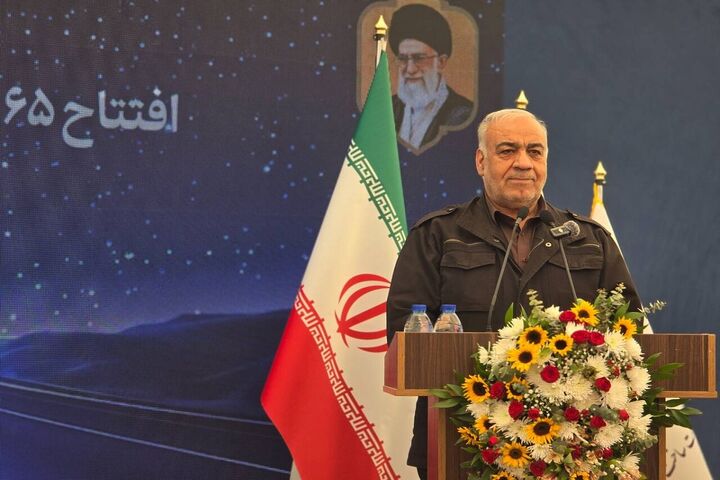
“These projects are a direct response to the demands of our citizens and are meticulously planned to elevate travel safety and security,” stated Bazvand during the inauguration of 65 kilometers of road projects in Markazi Province. He emphasized that these developments align perfectly with the strategic policies of the government and the Ministry of Roads and Urban Development, aimed at increasing safety and facilitating traffic flow across Iran’s extensive network of interconnected routes.
Government Commitment to Public Welfare and Economic Growth
The government’s proactive stance on infrastructure development is rooted in a deep commitment to its citizens. Bazvand reiterated that addressing public needs and enhancing travel safety are primary objectives for the current administration. The Ministry of Roads and Urban Development is pursuing projects directly linked to improving travel security and easing transit along national arteries through targeted and efficient planning.
This massive investment is not just about convenience; it’s a strategic move to bolster the national economy, improve logistical capabilities, and ensure safer journeys for millions of Iranians. The projects are designed to tackle challenges ranging from reducing accident hotspots to enhancing capacity for both passenger and commercial transit.
Key Regional Projects Driving Progress
The recent inaugurations in Markazi Province highlight the localized impact of these national endeavors:
Farmahin – Khonjin – Ghahavand Axis: A 21-kilometer section of this vital route has been opened, part of a larger 71.2-kilometer upgrade from a secondary to a primary road. Valued at approximately 6 trillion Iranian Rials, the project has significantly improved safety by widening the route, eliminating accident-prone areas, and constructing 167 small bridges and three intersections. This is particularly crucial for a region known for its challenging winter conditions.
Shazand – Azna Axis: The fifth segment, a 10-kilometer stretch of this 75-kilometer axis, has been completed, bringing the total four-lane section to 45 kilometers. The remaining 30 kilometers in Markazi Province are slated for completion by the end of the current government’s term. As a critical component of Iran’s north-south corridor, this axis plays a pivotal role in facilitating transit traffic and freight movement towards the southern parts of the country. The newly opened segment is valued at 6 trillion Iranian Rials.
Khomein Bypass and Grade-Separated Intersections: A 17-kilometer section of the Khomein bypass has been inaugurated. This 20-kilometer bypass is designed to alleviate heavy vehicle traffic within urban areas, reduce city congestion, and significantly cut down on road accidents. It creates safer and more efficient links between key regional routes leading to Aligudarz, Mahallat, Farfahan, and Arak. The project’s current value is estimated at 6.5 trillion Iranian Rials.
Mahallat Bypass: Another critical project, the 17-kilometer Mahallat bypass, has also been opened. Valued at 8.5 trillion Iranian Rials, this project involved the construction of a second lane and the expansion to a four-lane road, primarily aimed at reducing road accidents and ensuring greater travel safety.
Sustained Funding and Presidential Support
The scale and speed of these projects are supported by robust financial backing. Officials confirmed a more than 100% increase in budget allocations compared to previous months. This surge in funding is a testament to the strong support from the government and the special attention given by the President to crucial infrastructure projects, ensuring their timely and successful completion. These developments underscore Iran’s strategic commitment to building a robust, safe, and efficient transportation network for its future.