Mashhad’s Spiritual Call: Cleric Urges Public Vigilance and Street Observances for Qadr Nights
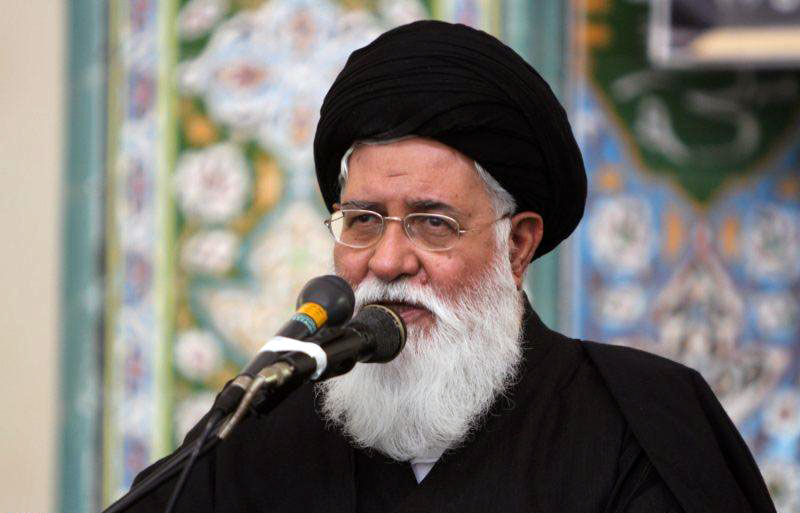
Mashhad, Iran – Ayatollah Seyed Ahmad Alamolhoda, the representative of the Supreme Leader in Khorasan Razavi province and Mashhad’s Friday Prayer Imam, has issued a powerful call for the upcoming Qadr Nights (Laylat al-Qadr) ceremonies to transcend traditional mosque settings and be held prominently in city streets. He emphasized that this public display of faith is not only a spiritual act but also a form of “Jihad fi Sabilillah” (struggle in the way of God) against hostile forces.
A Call for Public Observance
During his Friday sermon at the Imam Reza holy shrine, Ayatollah Alamolhoda encouraged congregants to “bring your gatherings to the streets and take the Quran upon your heads.” He asserted that such public observance, particularly amidst economic challenges, represents a potent form of resistance against adversaries and brings satisfaction to Imam Zaman. He expressed hope that mosque centers would facilitate the organization of these street-based ceremonies.
Reflecting on Revolutionary Leadership and Legacy
Ayatollah Alamolhoda’s sermon was delivered against a backdrop of sorrow, with hearts “full of grief” for an unnamed, recently departed leader. He paid extensive tribute to this revered figure, highlighting their transformative influence and comprehensive leadership. He recounted how, even as a humble cleric, this leader converted a small plaster shop into a vital anti-Shah regime stronghold in Mashhad. He also spoke of the leader’s profound impact on individuals, including Afghan students who later achieved martyrdom, underscoring their exceptional capacity for “man-making.”
The cleric further lauded the departed leader’s meticulous attention to national affairs, stating that no issue, however small, escaped their vision or concern. He shared anecdotes illustrating the leader’s dedication, from rigorously evaluating reports on urban development to personally reviewing sermon tapes to ensure accuracy. The leader was also described as a decisive crisis manager, a devout worshipper who never wavered in spiritual practices, and a compassionate figure deeply concerned with the welfare of the people, always advising against inflammatory speech. Ayatollah Alamolhoda stressed that this leader had effectively “charted the course of the revolution and the system” and laid the “rail-laying for the revolution’s path until the ‘reappearance’ in the Second Step of the Revolution statement.”
Safeguarding Succession and National Integrity
Addressing the critical issue of leadership succession, Ayatollah Alamolhoda firmly stated that the determination of the “proof of Imam Zaman” (Hujjat of Imam Zaman) – referring to the future Supreme Leader – is a matter for the Assembly of Experts, decided by specific, established conditions. He explicitly rejected the influence of “political preferences” or “colonial countries” in this process, reminding citizens that they voted for the Assembly of Experts precisely to represent them in overseeing and pledging allegiance to the leader. He cautioned against heedless speculation from social media, emphasizing that the choice of the Experts carries divine mandate for all.
Confronting External Threats
Ayatollah Alamolhoda also addressed perceived external threats, asserting that the United States has “failed so far” and, as an “enemy of God,” will not cease its hostility towards Iran. He outlined two alleged US strategies:
- Disintegration of Iran: This plot purportedly involved using various “groupuscules” to declare autonomy, with Mashhad identified as a potential target for ISIS and separatist forces through Herat. This attempt was reportedly thwarted by the non-cooperation of the Taliban government. The focus then shifted to Sistan and Pakistan, and Kurdistan in the west, with the aim of severing parts of the country. The cleric condemned those who align with such hostile forces.
- Internal Unrest: Alamolhoda identified internal disturbances as the second strategy.
He commended the Iranian people for their steadfastness against these designs, stating that their continued public presence in the streets and squares has a “more lethal effect than hundreds of missiles” against enemy interests. He reiterated his gratitude for their participation, emphasizing that their collective resistance, despite economic hardships, continues to foil adversarial plans and pleases Imam Zaman.