Meta’s AI Power Play: A Strategic Alliance with Nvidia to Reshape the Digital Future
Meta Secures Massive Nvidia AI Investment to Fuel Global Ambitions
In a monumental development poised to significantly impact the trajectory of artificial intelligence and digital influence, Meta Platforms has cemented a far-reaching agreement with Nvidia. The deal sees Nvidia committing to supply Meta with millions of its cutting-edge Blackwood and Rubin graphics processing units (GPUs), alongside advanced central processing units (CPUs) and crucial networking equipment. While the financial specifics remain undisclosed, this strategic alliance underscores Meta’s intent to solidify its position at the forefront of the AI revolution, with potential ramifications for how billions of users interact with digital platforms and how information is curated.
Unprecedented Scale for AI Dominance
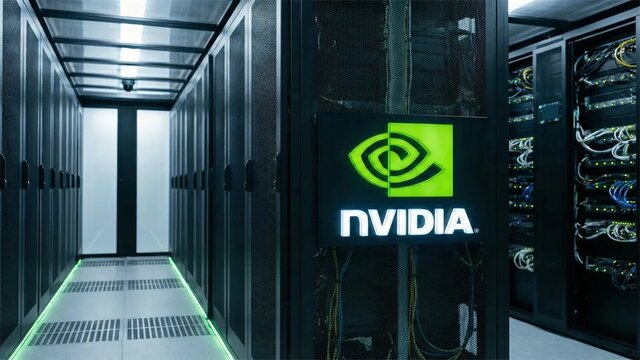
The core of this extensive partnership is Meta’s plan to deploy these advanced components across its global data centers. These powerful chips will form the backbone for training and running Meta’s sophisticated AI models, driving innovation across its vast ecosystem of social media, metaverse projects, and communication platforms. Meta will leverage these resources both in its proprietary data centers and through Nvidia’s burgeoning cloud partnership program, which includes key players like CoreWeave and Crusoe.
Jensen Huang, CEO of Nvidia, highlighted the unparalleled scale of Meta’s AI implementation. “No company implements AI on Meta’s scale,” Huang stated, emphasizing how this collaboration will “integrate advanced research with massive industrial infrastructure to deliver personalized systems and content recommendations to billions of users.” This vision points to a future where Meta’s AI capabilities could profoundly shape individual digital experiences, extending its influence across daily interactions globally and further solidifying its role in defining digital reality.
Strategic Diversification Beyond GPUs
Beyond the headline-grabbing GPU deal, Meta’s strategy includes a significant diversification of its server infrastructure. Nvidia announced that Meta will be among the first to deploy large servers powered by Nvidia’s Grace CPUs, distinctively operating without GPUs. Furthermore, Meta intends to introduce Vera systems by 2027. These initiatives, particularly the deployment of Grace CPU-based servers—which are akin to Meta’s traditional Intel-powered systems devoid of GPUs—signal a proactive move to challenge the long-standing dominance of Intel and AMD in the general server market, demonstrating Meta’s ambition for comprehensive control over its computing backbone and reducing reliance on external providers.
Privacy as a Cornerstone of Digital Trust
Crucially, the agreement also touches upon the sensitive domain of data privacy, a subject of increasing political and public scrutiny worldwide. Meta plans to integrate Nvidia’s “Confidential Computing” technology within its WhatsApp messaging service. This commitment aims to facilitate privacy-preserving data processing, an essential step towards building and maintaining user trust amidst growing concerns over digital surveillance and data security, and addressing regulatory demands for enhanced data protection.
Navigating a Competitive AI Landscape
This substantial investment arrives amidst a dynamic and increasingly competitive artificial intelligence landscape. Recent months have seen a noticeable downward pressure on the stock valuations of AI-centric companies, with Meta, Microsoft, Nvidia, and AMD experiencing declines. Major competitors like Amazon, Google, and Microsoft have also introduced their own proprietary AI chip designs, and Meta itself is reportedly in discussions with Google regarding its TPU chips.
Despite these competitive pressures and the fluctuating market, industry analysts largely agree that Nvidia’s leadership in the GPU market for diverse AI applications remains robust. Meta’s massive acquisition of Nvidia chips is not merely a purchase; it is a declaration of intent, a strategic gambit that underpins its aspirations to lead the digital frontier and shape the AI-driven future for billions worldwide. The implications of such a colossal technological alignment will undoubtedly resonate across the global tech sector and influence the evolving landscape of digital power and innovation.