Title: Neurotechnology at a Crossroads: The Promise and Peril of Mind-Reading Devices
In a scientific leap that once belonged solely to the realm of science fiction, brain-computer interfaces (BCIs) are now capable of translating human thought into digital commands. This emerging technology, while holding immense therapeutic promise, is simultaneously sparking a critical global dialogue on the ethical and political frontiers of neuro-data.
A New Frontier in Neurotechnology
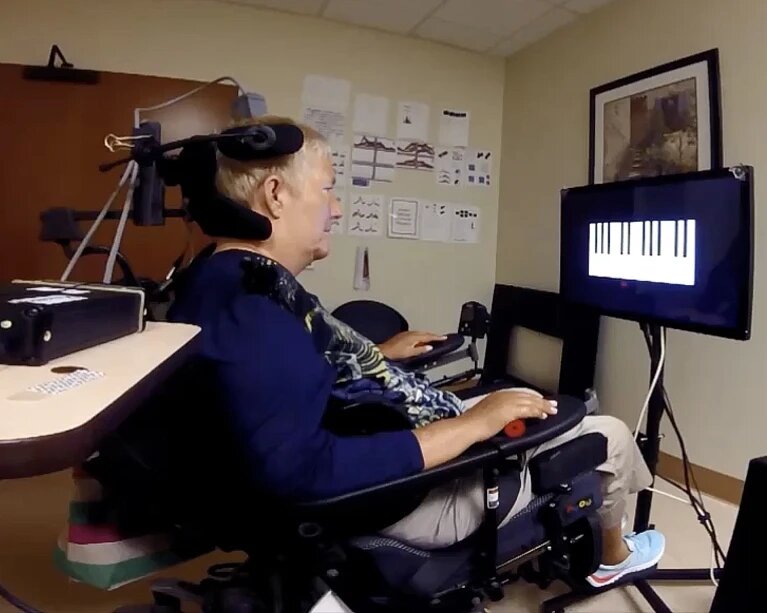
The journey began with profound clinical need. In 2008, Nancy Smith, a talented pianist, was paralyzed from the neck down following an accident. Years later, she became a participant in a pioneering BCI program. An implant was placed in her brain to record and analyze neural activity. By merely imagining playing the piano, Nancy could use the BCI to generate simple melodies.
However, the experience held an unexpected revelation. As Nancy described, it felt as if the piano was playing itself, with the keys pressing down before she had consciously thought to play them. This phenomenon, explained lead neuroscientist Richard Andersen, was because the BCI system was detecting Nancy’s motor intent milliseconds before it reached her conscious awareness. The device was not just interpreting commands; it was accessing the pre-conscious planning stages of movement.
Beyond Movement: Accessing the Mind
Nancy’s case was particularly significant because, alongside the motor cortex implant, a second device was placed in a region of the brain associated with higher thought. This dual approach allowed the system to move beyond simple movement simulation and begin interfacing with the intention behind the action. This breakthrough opens the door to a new generation of BCIs that target brain regions governing planning, attention, and even semi-conscious thoughts.
The Political and Ethical Imperative
This new capability is as concerning as it is exciting, raising fundamental questions that demand political and regulatory attention.
The Sanctity of Mental Privacy: The core challenge shifts from data privacy to mental privacy. If a corporation or state entity can use neuro-data to predict a person’s potential future decisions, does this constitute a violation of psychological freedom? The protection of an individual’s internal thought processes is emerging as a critical human rights consideration in the 21st century.
Guarding Against Potential Misuse: As this technology matures, its potential application in economic and political spheres presents significant concerns. Theoretical risks, which require proactive governance, include the non-consensual analysis of behavioral tendencies, the prediction of consumer decisions, and the inference of political or voting inclinations. Nations like Chile have begun legislating to protect “neuro-data,” but experts warn that laws must also cover the inferences drawn from this data, not just the raw information.
The Consumer Neurotech Wave: Parallel to clinical BCIs, a market for consumer neurotechnology—such as headbands and headphones with hidden sensors—is growing with minimal oversight. While less precise, these devices can detect general brain states like focus or anxiety. Many of these companies operate without secure data channels and often reserve the right to sell user data, creating a vast, unregulated repository of sensitive personal information.
A Future of Cautious Optimism
In the clinical sphere, companies are rapidly advancing. Some devices now allow for control of robotic limbs or computer games with thought alone, offering renewed independence to thousands. The next step involves moving from “movement” to “mind,” with research already demonstrating the limited decoding of internal speech.
The future may see BCIs used to diagnose and treat psychiatric disorders, ushering in a new era of personalized medicine. However, the paramount question remains: as devices inch closer to reading our unspoken thoughts, how do we ensure this powerful technology is developed and deployed safely and ethically for all of humanity? The international community faces the urgent task of establishing robust frameworks to navigate this uncharted territory.