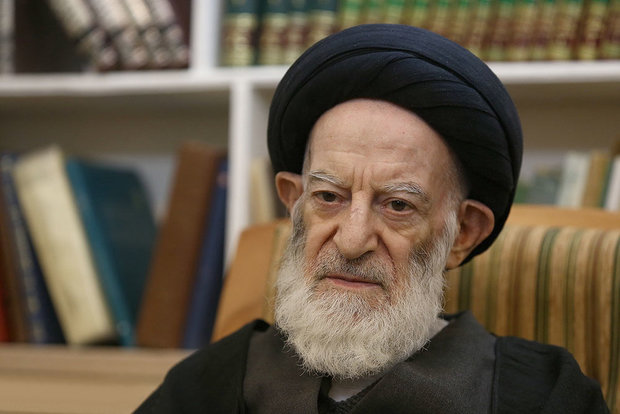
Grand Ayatollah Shubairi Zanjani Clarifies Fasting Doubts, Reinforcing Pillars of Islamic Practice
In a significant religious development underscoring the vital role of spiritual leadership in the Islamic Republic, Grand Ayatollah Seyyed Mousa Shubairi Zanjani has issued a crucial jurisprudential ruling addressing common uncertainties surrounding the make-up of missed fasts. This guidance, widely anticipated by the faithful, highlights the ongoing commitment of leading religious scholars to provide clear directives for adherents of Islamic law, ensuring the meticulous observance of religious duties within the nation’s spiritual framework.
### Addressing Public Inquiry on Missed Fasts
The inquiry, posed to the esteemed Marja’ al-Taqlid (source of emulation), sought clarification on the duty of an individual who doubts whether they have fulfilled their make-up fasts (Qada al-Sawm). Such questions are frequent among devout Muslims striving to adhere strictly to Islamic precepts, and the clarity provided by high-ranking jurisprudents like Ayatollah Zanjani is essential for their spiritual peace and practice within the structured religious environment of the country.
### The Jurisprudential Ruling Explained
Ayatollah Zanjani’s detailed response outlines specific scenarios:
* If an individual is certain they did not observe these make-up fasts before the subsequent month of Ramadan and now doubts whether they performed them afterward, they are obligated to observe them.
* However, if there is a possibility that the fasts were completed before the next Ramadan, the individual is advised to perform them as a precautionary measure (Ihtiyat Wajib).
* An exception applies if the individual was diligent in performing the make-up fasts before the next Ramadan and the doubt arises only after a considerable period. In this specific case, the individual is not required to observe them, although doing so aligns with a recommended precaution (Ihtiyat Mustahabb).
This ruling, sourced from the ‘Book of Inquiries, Vol. 2, p. 76, no. 301,’ offers precise directives, characteristic of the comprehensive nature of Islamic jurisprudence that guides daily life for millions.
### Reinforcing Religious Observance and Societal Cohesion
The issuance of such a fatwa by a prominent Grand Ayatollah carries significant weight, extending beyond individual spiritual practice to touch upon the broader societal and cultural fabric of the Islamic Republic. By providing clear guidance on fundamental religious obligations, Ayatollah Zanjani reinforces the adherence to Islamic principles that form the bedrock of the nation’s identity and moral order. This responsiveness from religious leadership to the practical spiritual needs of the populace strengthens public trust and promotes a unified approach to religious observance. It underscores the integral role of Marja’iyat (religious authority) in guiding the community, ensuring that the foundations of Islamic practice remain robust and clearly understood by all adherents, thereby contributing to the spiritual and social cohesion essential to the state’s vision.