Iranian Analyst Calls for Dual Strategy: De-escalation Abroad, Bold Reforms at Home
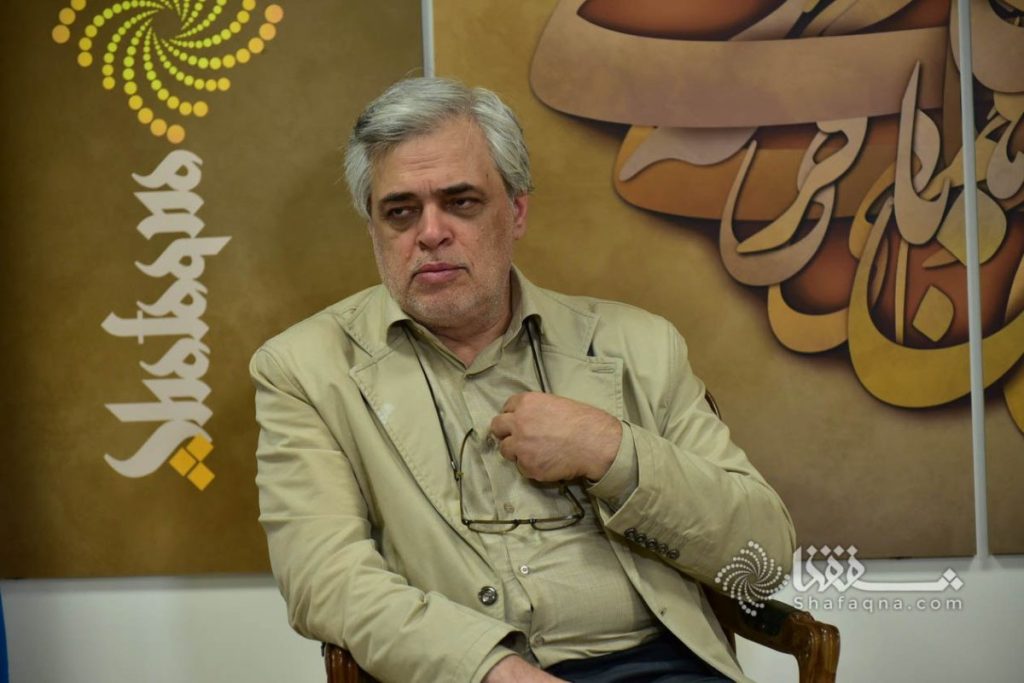
Mohammad Mohajeri, a prominent principlist political analyst and activist, has emphasized the critical need for Iran to simultaneously pursue de-escalation in its foreign relations while implementing significant domestic reforms. In an interview with “Etemad,” Mohajeri argued that neglecting political, social, and cultural dissatisfactions could further damage the economy and societal stability, especially as the nation navigates intense external pressures and psychological warfare.
Navigating External Pressures and Psychological Warfare
Mohajeri highlighted the current media landscape, which he described as heavily influenced by threatening and contradictory news, much of which he asserts is psychological warfare rather than ground reality. He noted a proliferation of reports suggesting imminent conflict, which, whether from official or unofficial sources, severely disrupts public psychological peace and directly impacts the national economy.
He cited the inconsistent statements from the U.S. President – alternating between threats and offers of opportunity – as tactics of psychological warfare primarily aimed at fostering uncertainty within Iranian society. According to Mohajeri, this psychological pressure not only creates public anxiety but also paralyzes the economy, leading to volatile currency and gold prices and deterring economic actors from making crucial investment decisions. He suggested that a partial objective of certain Western powers is to disrupt Iran’s economy from within through this psychological campaign, complementing official sanctions and fueling public discontent.
The Domestic Imperative: Addressing Internal Discontent
Mohajeri criticized what he perceives as a “paralysis” within the country’s decision-making system under the weight of this psychological atmosphere. He pointed out an excessive focus on hypothetical “war scenarios” without adequate planning for the equally probable outcome of peace. If the likelihood of conflict and non-conflict is evenly split, he questioned the absence of a comprehensive strategy for governing in the event of continued peace, which, he stressed, necessitates the effective management of internal dissatisfactions.
Beyond Economics: Political, Social, and Cultural Grievances
Mohajeri underscored that current dissatisfactions are not solely economic but have significant political, social, and cultural roots, even if they ultimately manifest as economic issues. He identified concerns such as internet filtering and speed, widespread disqualifications in past elections, controversial and restrictive policies, and ambiguities surrounding council elections as factors that have exacerbated public frustration. Critically, he observed a lack of serious effort to address these issues, suggesting that public trust remains unaddressed. He asserted that for the government to effectively remove obstacles, it must earnestly tackle domestic concerns alongside its foreign negotiations, which, while important, are insufficient on their own.
A Path to Sustainable Stability
While acknowledging the government and system’s commendable efforts to avoid conflict and achieve a fair agreement, Mohajeri cautioned that such success is unattainable without accompanying internal reforms. He emphasized that alongside the economy, which remains the nation’s top priority, the cultural and social dissatisfactions of the middle class must be addressed. Mohajeri views the middle class as the engine of the country’s stability and development, warning that its alienation would have severe political and social ramifications in addition to economic ones.
He concluded by stressing that any external agreement, without the support of the people and without genuine internal reforms, would be neither sustainable nor capable of guiding the country through its challenges. For Iran to effectively govern, Mohajeri urged that courageous decisions to mend internal dissatisfactions must be made concurrently with ongoing foreign negotiations.