Title: A Tale of Two Markets: Tehran’s Rental Sector Shows Stability Amid National Inflation
Article:
A Capital Contrast
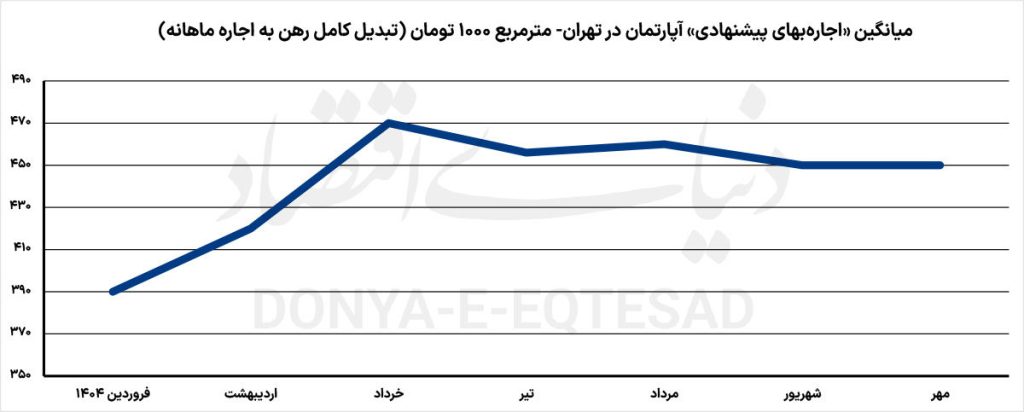
While the national rental market in Iran experienced a 3% monthly inflation rate, Tehran’s housing rental sector demonstrated a surprising trend this autumn, registering a monthly inflation rate of zero. This divergence, as reported by the economic indicators of “Donya-e-Eqtesad,” paints a complex picture of the country’s economic landscape, with the capital’s real estate market entering a period of relative stability.
The Numbers Behind the Stability
According to the latest data, the average monthly rent for mid-sized apartments in selected districts across Tehran’s 22 municipalities remained steady at approximately 20.2 million Tomans, with a security deposit of around 602 million Tomans. This price freeze in the capital stands in stark contrast to the continued upward pressure on rents observed nationwide. Furthermore, the point-to-point rent inflation in Tehran has significantly decelerated to 20%, a marked decrease from the 35% rate recorded during the same period last year.
Decoding the Stability: Four Key Factors
Analysts point to four primary developments that have contributed to this unique market equilibrium in Tehran, offering a temporary respite for some tenants.
The End of the High Season: The peak rental season, which typically occurs during the summer, has concluded. With a seasonal decline in tenant movement and property turnover, the intense pressure on prices has subsided. Real estate agents report that landlords are now more inclined to offer discounts to attract tenants in this quieter period.
The Preference for Renewal: Both landlords and tenants currently view contract renewal as the most secure and desirable option. For tenants, renewal avoids the risk and cost of relocation. For landlords, it eliminates the uncertainty and potential vacancy period associated with finding a new tenant. This mutual interest often leads to more tenant-favorable terms during renewal negotiations.
The “Downsizing” Trend: A significant number of tenants are being forced to adjust their living standards due to economic pressures. Faced with a high national inflation rate of 48.6%, many are relocating to smaller apartments, older buildings, or less expensive neighborhoods and districts to find rental units that fit their budgets. This shift to lower-cost housing options exerts a downward pull on the city’s average rental price.
A Ceiling on Affordability: Rents in Tehran have reached a level that is severely straining tenants’ financial capabilities. With housing costs consuming a large portion of household income, the market is struggling to absorb further significant price increases. This affordability ceiling creates resistance against the upward pressure from the general inflation that influences landlords’ own cost of living.
A Complex Economic Picture
The situation in Tehran’s rental market underscores the complex interplay of seasonal, behavioral, and macroeconomic factors. While the capital is experiencing a period of rental price stability, this occurs against a backdrop of high national inflation. The trend of downsizing highlights the ongoing economic adjustments being made by citizens to navigate the current financial climate, demonstrating a degree of market-driven resilience.