Iranian Lawmaker Calls for National Unity to Safeguard Stability Amidst Regional Pressures
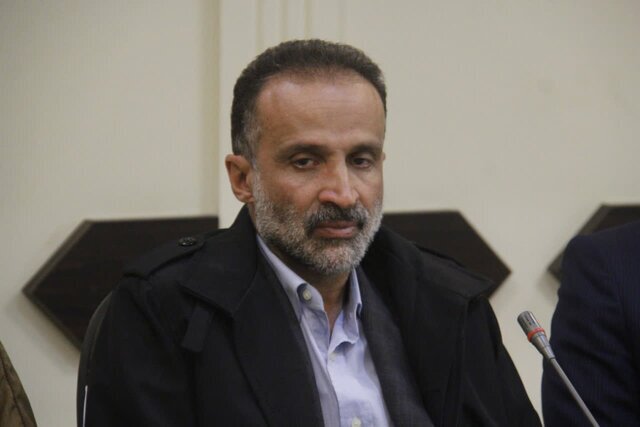
In a compelling address, Ebrahim Najafi, a member of Parliament representing Astaneh-ye Ashrafiyeh, underscored the critical importance of national cohesion and societal peace, particularly as the country navigates a complex landscape of external threats. Speaking to ISNA, Najafi emphasized that fostering internal unity is paramount, a principle consistently highlighted by the Supreme Leader in his pronouncements.
Parliamentary Oversight for National Cohesion
Najafi affirmed the legislative body’s crucial oversight responsibilities, stating that while the Supreme Leader frequently stresses national unity, this does not diminish the executive branch’s duties. He clarified that Parliament’s engagement in robust oversight, alongside its legislative functions, is a legal obligation and should not be misconstrued as opposition. Rather, it serves to reinforce national consensus within the established legal framework.
Ensuring Economic Accountability and Trust
The lawmaker, also a member of the Parliament’s Civil Commission, cited specific examples where parliamentary intervention could bolster public trust and stability. He referenced a report by Mr. Farzin to the Judiciary concerning certain companies’ failure to repatriate foreign currency earned from exports. Najafi asserted that a diligent follow-up on such issues by Parliament and the Judiciary would benefit both the government and the populace, contributing significantly to societal peace.
He further highlighted the role of banks in fulfilling their commitments, particularly regarding loans for youth employment, marriage, and housing. Should banks fall short, Najafi argued that Parliament must utilize its oversight tools, such as investigations and Article 234, viewing such actions as vital support for citizens and the government alike, thereby alleviating public burdens.
Prioritizing Stability Over Political Agitation
Najafi cautioned against generating unnecessary political agitation, especially given the current national circumstances. He suggested that raising certain issues might not be timely, citing ministerial impeachments as an example of actions that lack necessity in the present environment. He acknowledged that while some matters might be prioritized under normal conditions, the current situation, which some describe as “semi-war,” necessitates a different set of priorities.
Concluding his remarks, Najafi reiterated that the paramount objective is to forge strong cohesion and coordination between the government and Parliament. This unified approach, he stressed, is essential to serve the best interests of the people and to enhance overall peace and stability within the society.