Tech Titans Ignite Global Debate: Musk and Durov Declare WhatsApp a Security Risk Amid Regulatory Scrutiny
A high-stakes global debate over digital privacy and state control has intensified following prominent tech figures Elon Musk and Pavel Durov’s collective declaration that WhatsApp is “unsafe.” Their pronouncements come as the messaging giant faces increasing legal challenges and regulatory threats from governments worldwide, raising significant questions about data security and user sovereignty in the digital age.
The Unanimous Tech Verdict
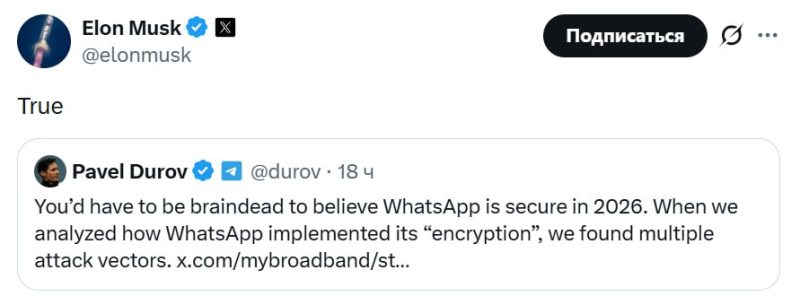
The controversy escalated when Elon Musk, the American entrepreneur and owner of X (formerly Twitter), publicly endorsed Telegram founder Pavel Durov’s scathing critique of WhatsApp’s security protocols. On January 26, Musk responded to Durov’s post on X with a succinct “This is true,” lending significant weight to the concerns raised by his peer.
Durov had previously lambasted WhatsApp, deeming it inherently inefficient in terms of security and predicting it would remain insecure even by 2026. He cited an analysis of WhatsApp’s encryption methods, which reportedly revealed “several vulnerabilities” ripe for exploitation, allowing for potential infiltration and compromise of user data.
Escalating Legal and Regulatory Pressure
The declarations from these influential tech leaders are not isolated incidents but rather amplify a growing chorus of concerns. WhatsApp, owned by Meta Platforms, has been under intense scrutiny from various judicial and regulatory bodies globally.
Bloomberg News previously reported on a judicial document detailing an international group of plaintiffs filing a lawsuit against Meta, accusing the tech giant of deceiving users. A key allegation within this legal challenge centered on claims that Meta had accessed users’ private messages, directly contradicting its privacy assurances.
Adding to the pressure, Russia’s telecommunications watchdog, Roskomnadzor, issued a stark warning last November. The agency indicated that WhatsApp could face a complete ban within Russia if it fails to comply with local legal requirements regarding the removal of prohibited content. This regulatory stance underscores a broader global trend where national governments are asserting greater control over foreign digital platforms operating within their borders.
Global Implications for Digital Sovereignty and Privacy
The recent coordinated criticism from Musk and Durov, coupled with WhatsApp’s ongoing legal and regulatory battles across multiple jurisdictions, has reignited widespread discussions surrounding the security and privacy of messaging applications. These events highlight the delicate balance between technological innovation, user rights, corporate responsibility, and the evolving role of state oversight in safeguarding digital sovereignty.
As governments and privacy advocates increasingly scrutinize the data handling practices of tech giants, the future of cross-border digital communication platforms like WhatsApp faces an uncertain path, necessitating a renewed focus on robust security, transparent policies, and compliance with diverse national regulations.