Iran’s National Security Council Details External Role in Dey 1404 Unrest
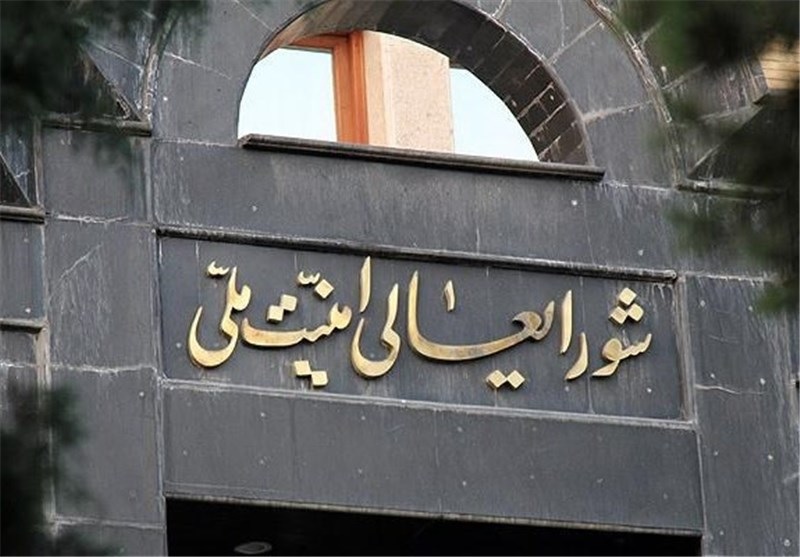
TEHRAN – Iran’s National Security Council has issued a comprehensive statement detailing its findings on the critical events of Dey 1404 (January 2026), asserting that external adversaries shifted tactics from direct military confrontation to targeting the nation’s social cohesion following a failed twelve-day military aggression. The Council’s report outlines a sequence of events, from initial peaceful protests to what it describes as organized violence and “ISIS-like” terrorist acts, ultimately thwarted by national unity and the efforts of security forces.
The Twelve-Day Confrontation and a Shift in Strategy
The statement informs the Iranian nation that intelligence assessments concluded a significant shift in adversary strategy. According to the Council, after a “12-day imposed war” by the United States and the Zionist regime, which Iran powerfully confronted, these external forces realized that military means alone could not subdue the Iranian people. The Council emphasized that the extraordinary social solidarity and unity of the nation were pivotal to Iran’s victory in that conflict and served as a core strength for its armed forces. Consequently, the report states, the US and the Zionist regime altered their approach, aiming to destabilize Iran by targeting its social cohesion and national will.
From Peaceful Gatherings to Organized Violence
The National Security Council acknowledged that initial peaceful protests by bazaar merchants and guilds occurred in several cities. In response, the President promptly engaged with representatives of these groups, listening directly to their concerns. Directives were issued to the police, advising patience and accommodation towards these peaceful gatherings, and necessary orders were given to address the economic activists’ anxieties.
However, the Council asserted that “organized riot cells” deliberately derailed these peaceful assemblies. Between January 9th and 17th (Dey 9-17), these groups escalated protests into violence across various cities, causing damage to both citizens and national assets.
Unprecedented Terrorist Acts and Devastation
The situation, according to the Council, escalated further on January 18th and 19th (Dey 18-19). During this period, numerous organized terrorist acts were perpetrated across the country. These actions aimed to destabilize cities and bring the situation out of control through maximum violence, including targeted armed attacks on public spaces and gatherings. The objective, the Council stated, was to generate casualties and destroy both public and private property.
The report details severe damage to markets, shops, banks, mosques, Hussainiyas (Shia congregational halls), emergency vehicles, public transport, medical centers, and gas stations. More disturbingly, the Council highlighted what it described as “ISIS-like crimes,” including the burning of individuals, beheadings, stabbing, and widespread use of firearms. These atrocities, the statement confirmed, led to the martyrdom of 2427 innocent people and security personnel, out of a total of 3117 casualties reported during these events. The National Security Council affirmed it possesses documentation proving that a “full-blown heinous crime” was committed against the Iranian nation during these two days, with the clear support of “ill-wishers of Islamic Iran.”
National Unity Thwarts Destabilization Efforts
The statement concluded by crediting divine guidance, the wise leadership of the Supreme Leader, the intelligent and sacrificial efforts of security and law enforcement agencies, and the heroic presence of the Iranian nation on January 22nd (Dey 22) for thwarting the “criminal enemy’s” plot to spread chaos and insecurity. The Council emphasized that with divine assistance and the collective support of insightful and brave compatriots, national cohesion and unity once again inflicted a defeat upon “Iran-haters.”