NATO Allies Explore Measures to Secure Vital Hormuz Waterway Amid Regional Tensions
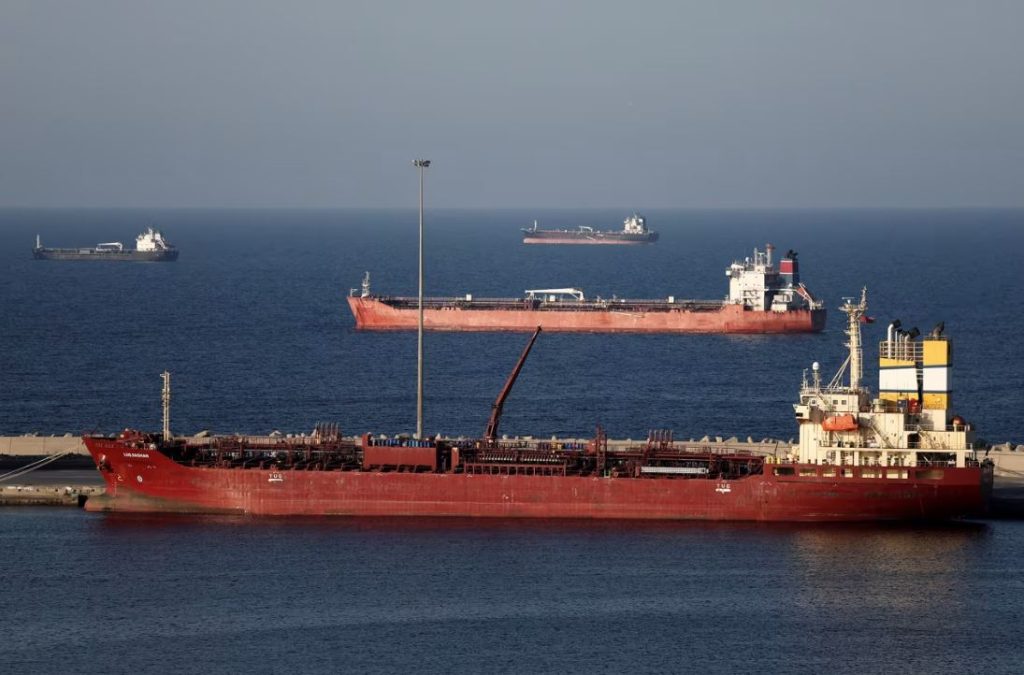
Brussels, Belgium – NATO Secretary General Mark Rutte announced that several member states are actively exploring options to ensure safe passage through the Strait of Hormuz. This critical maritime choke point has seen significant disruption following recent military escalations in the region involving the United States, Israel, and Iran, leading to an almost complete halt in shipping.
International Cooperation for Strait Security
Speaking on Sunday, Rutte confirmed that a consortium of 22 nations, predominantly NATO members alongside key partners such as Japan, South Korea, Australia, New Zealand, the United Arab Emirates, and Bahrain, convened last Thursday. Their discussions focus on implementing strategies to reopen the Strait of Hormuz “as soon as possible” and restore the free flow of maritime traffic, aligning with the vision articulated by former U.S. President Donald Trump. “We are now in the planning stages,” Rutte added.
The Secretary General’s remarks come weeks after he affirmed in early March that NATO had no intention of participating in any U.S. and Israeli military operations concerning Iran. Rutte also noted his continued engagement with Donald Trump, despite the former president’s criticisms of the alliance, confirming multiple conversations this week.
Trump’s Scathing Critique of Allies
The recent developments follow sharp condemnation from Donald Trump, who accused NATO allies of being “cowards” for their perceived slow response and insufficient support for efforts related to the ongoing conflict in the region. Trump’s social media post on Friday declared, “Without America, NATO is a paper tiger!”
Trump had previously urged key allies and other nations – none of whom were reportedly consulted on the initial military actions – to contribute to securing shipping through the Strait of Hormuz. He expressed frustration that despite the conflict’s global economic impact, including market turmoil, thousands of casualties, and millions displaced since late February, some NATO members were reluctant to assist.
“Now that this battle is militarily won and there is very little risk for them, they complain about the high price of oil but don’t want to help reopen the Strait of Hormuz, a simple military maneuver that is the sole reason for the high price of oil,” Trump stated, concluding with a stark warning: “Cowards, and we will remember!”
Economic Fallout and Global Energy Crisis
The regional conflict has significantly impeded shipping in the Strait of Hormuz, through which 20% of the world’s oil and liquefied natural gas (LNG) passes. This disruption has spiraled into what the International Energy Agency has termed the largest global energy supply disruption in history.
Global oil prices have surged by over 50% since the conflict began, triggering sharp increases in fuel costs and intensifying fears of a worldwide economic recession. Approximately one hundred countries have reported rising gasoline prices since the hostilities commenced in late February. Experts warn that prolonged disruptions to oil and gas supplies could lead to a wave of global inflation, with efforts to stabilize markets proving ineffective thus far.
European Leaders Urge De-escalation and Diplomacy
Amid escalating concerns over the long-term global repercussions of the Middle East conflict, European leaders have called for the United States and Iran to engage in ceasefire negotiations.
Ahead of EU talks in Brussels on Thursday, French President Emmanuel Macron described the exchanges of fire as an “reckless escalation of tensions” threatening the international community. He emphasized that the conflict would have a “much more lasting impact” if the Middle East’s energy production capacities were compromised. Macron advocated for direct U.S.-Iran negotiations, expressing hope that all parties would “come to their senses.”
Kaja Kallas, the EU’s foreign policy chief, also present in Brussels, stressed the imperative to “de-escalate, not escalate” the situation. She highlighted the connection between the conflict and the ongoing situation in Ukraine, suggesting Russia benefits from the turmoil in the Middle East.
Meanwhile, German Chancellor Friedrich Merz revealed that private communications with Donald Trump indicated the former U.S. president’s readiness to halt military action. Merz expressed his “frank gratitude” for Trump’s signal of willingness to “end the war.”
Rutte reiterated that ongoing discussions between Washington and NATO member states continue to prioritize security in the Strait of Hormuz, underscoring its critical importance to global stability and trade.