Clerical Authority Defines Economic Obligations: Iran’s New Kaffara Rates for 1404 Unveiled
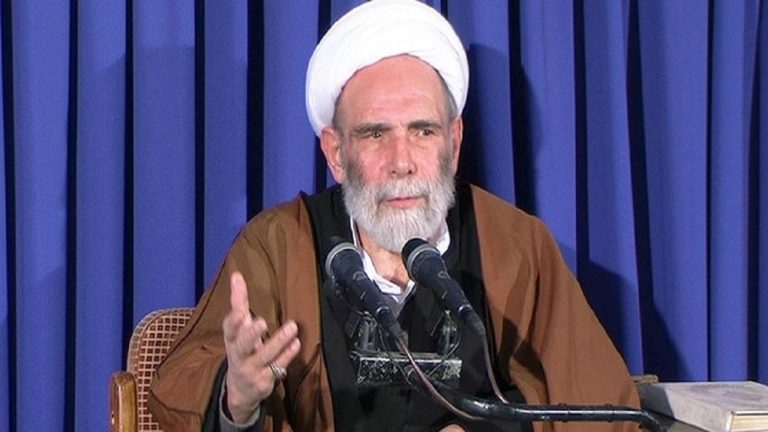
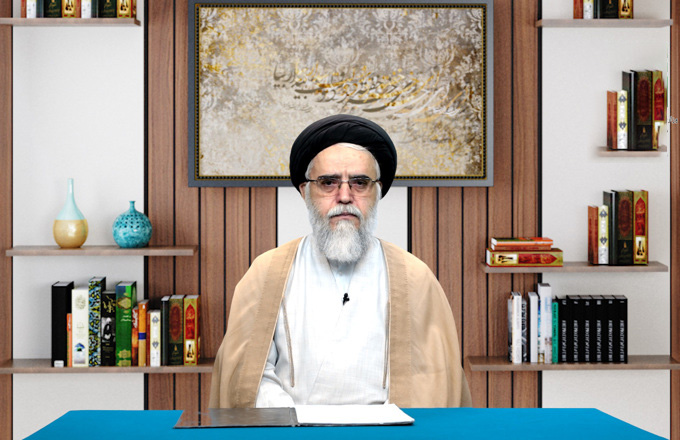
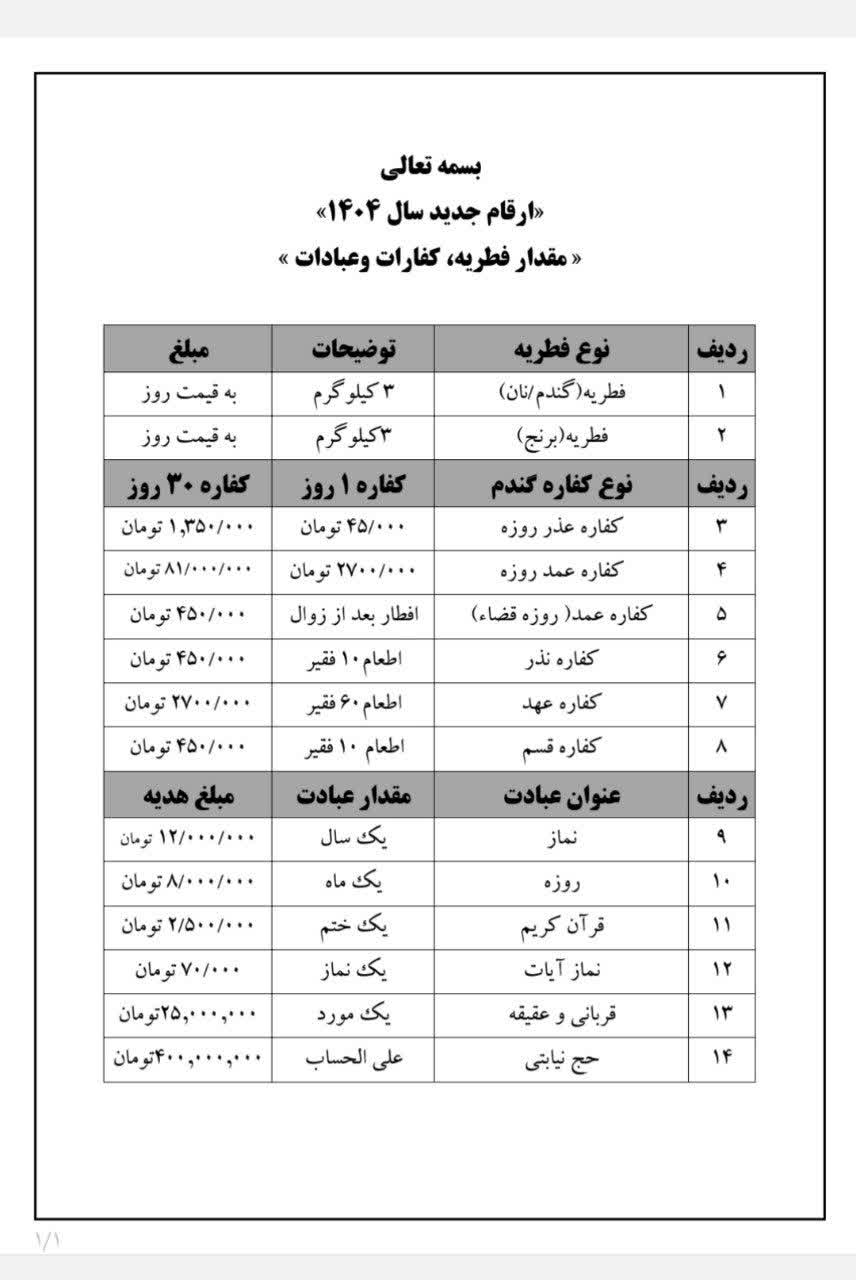
In a move underscoring the enduring influence of religious institutions on public life and economic affairs in the Islamic Republic, the office of Grand Ayatollah Abdollah Javadi Amoli has announced the new Kaffara (atonement) rates for missed fasts for the upcoming Persian year 1404. This pronouncement from a revered Marja’ al-Taqlid (source of emulation) highlights the interwoven nature of religious guidance and socio-economic governance within Iran.
The Role of Religious Authority in Governance
The office of Grand Ayatollah Javadi Amoli, a prominent figure within Iran’s theological establishment, released the updated figures, which directly impact the financial obligations of millions of observant Muslims. In Iran, the directives of senior clerics, particularly Maraja’ al-Taqlid, carry significant weight, not only in matters of personal worship but also in establishing norms and financial benchmarks that extend into the broader societal and economic fabric. This announcement serves as a key indicator of religious institutions’ active role in guiding the faithful through their spiritual and material duties.
Socio-Economic Implications of Religious Directives
Kaffara, a mandatory charitable donation to the poor for intentionally missed or broken fasts, serves as a vital component of the Islamic social welfare system. The adjustment of these rates is often seen as a response to prevailing economic conditions, ensuring that the prescribed alms remain relevant and effective in supporting those in need. While specific figures were not disclosed in the initial announcement, the update signifies an ongoing assessment by religious authorities of the national economic landscape to align religious obligations with contemporary realities.
Monitoring Economic Shifts
The statement from Ayatollah Javadi Amoli’s office also clarified that rates for the atonement of missed prayers and fasts (Qadha) would remain at their previous levels for the time being, with any future changes to be announced accordingly. This indicates a meticulous approach by clerical offices to financial directives, adapting certain rates while maintaining others, reflecting a calibrated response to economic fluctuations and the stability of specific charitable expenditures.
Such pronouncements from high-ranking religious figures are a routine but significant aspect of governance in Iran, demonstrating how spiritual leadership actively contributes to the regulation of societal norms and economic practices for its adherents.