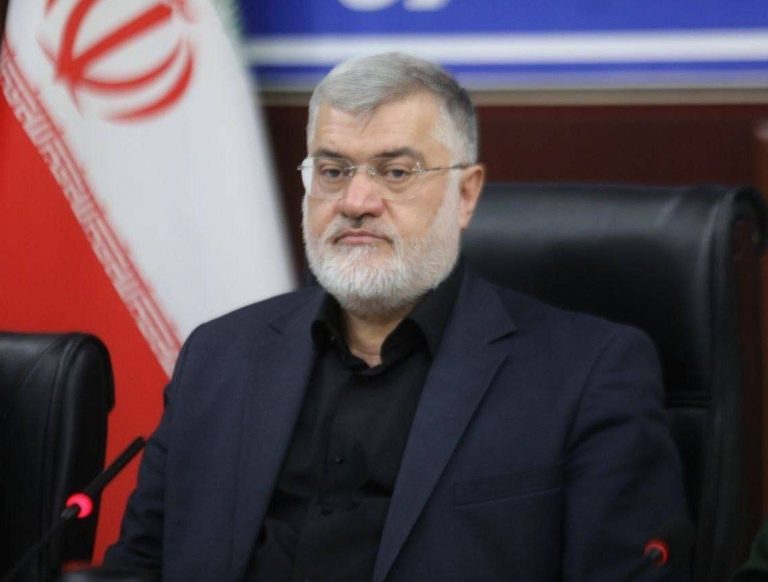
Iran Announces Strategic Grain Pricing and Market Reforms to Boost Agricultural Sector
In a significant move to stabilize the nation’s food market and enhance domestic production, Iran’s Minister of Agriculture, Gholamreza Nouri Qezeljeh, has unveiled the government’s new strategic pricing and import policy for key agricultural commodities. The announcement outlines a comprehensive plan focused on increasing the quality and productivity of essential goods.
A Push for Quality and Productivity
Central to the new strategy is the setting of guaranteed purchase prices for wheat. Minister Nouri Qezeljeh emphasized that this pricing mechanism is a deliberate effort to steer domestic wheat production towards higher quality and greater efficiency. This policy is designed to empower farmers and strengthen the country’s agricultural self-sufficiency by incentivizing improved cultivation practices.
Stable Pricing for Poultry and Eggs
The government has also established official prices for poultry and eggs to ensure market stability. According to the new resolution, the price per kilogram of chicken has been set at 87,000 Tomans for production units and 135,700 Tomans for end consumers. Furthermore, the price for a kilogram of eggs for consumers has been fixed at 92,000 Tomans. These measures are intended to create a predictable and balanced market for these essential food items.
Clarification on Red Meat Import Policy
Addressing speculation about red meat prices, the Minister provided a crucial clarification on import mechanisms. He stated that red meat is no longer imported using preferential foreign currency rates. All current imports, he confirmed, are conducted using the competitive exchange rate (NIMA), which reflects market conditions.
Minister Nouri Qezeljeh firmly denied the existence of red meat in the market at prices as low as 300,000 Tomans, calling such claims inaccurate. He attributed current high market prices, which range between 900,000 and one million Tomans, to incorrect market adjustments that are currently being rectified. The minister assured that officially imported market-regulated meat will be supplied based on the exchange-based currency rate, effectively phasing out the previously lower price point.